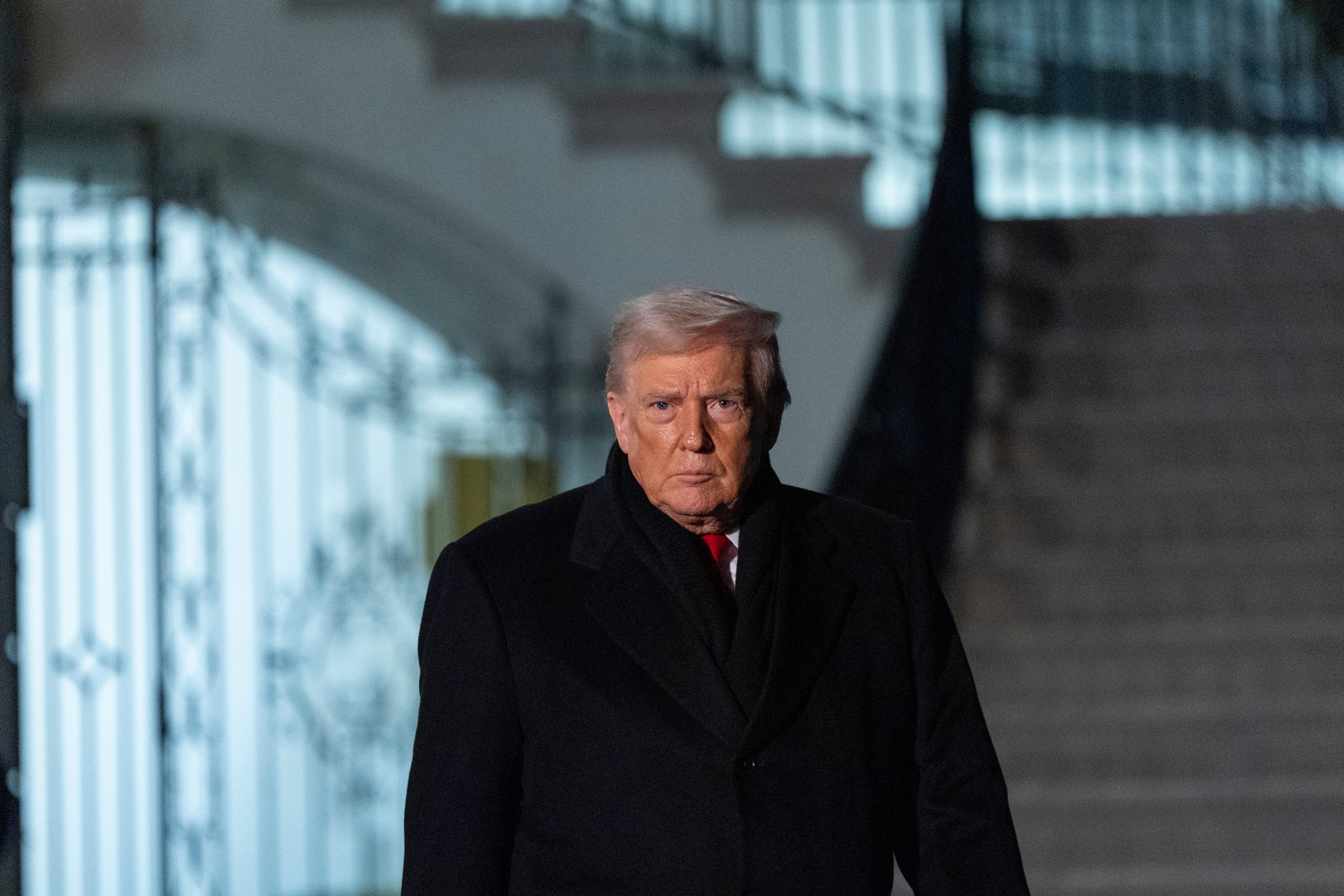
Ghazi Hamad, a Hamas negotiator, described the proposed framework as a difficult and painful compromise, yet insisted that the group will not initiate disarmament until Israel fulfills its obligations under the previous year's agreement. These requirements include ending military strikes, withdrawing forces to October positions, and facilitating a significant increase in humanitarian aid. Only after these conditions are met, according to Hamad, would Hamas consider transferring its arsenal to the National Committee for the Administration of Gaza (NCAG).
The 15-point roadmap published by Trump’s Board of Peace envisions the NCAG assuming civil governance and overseeing the decommissioning of heavy weapons and tunnels. This process is intended to run parallel to a phased Israeli withdrawal. Despite these diplomatic overtures, the reality on the ground contradicts the optimism in Washington. Hours after the announcement, medical authorities in Gaza reported further casualties from Israeli strikes, and local residents expressed deep skepticism regarding the viability of the plan. Meanwhile, an Israeli official reiterated that the military will maintain its presence at the current demarcation line until a genuine disarmament process is underway, highlighting the persistent disconnect between the parties.




Comments (0)
No comments yet. Be the first!