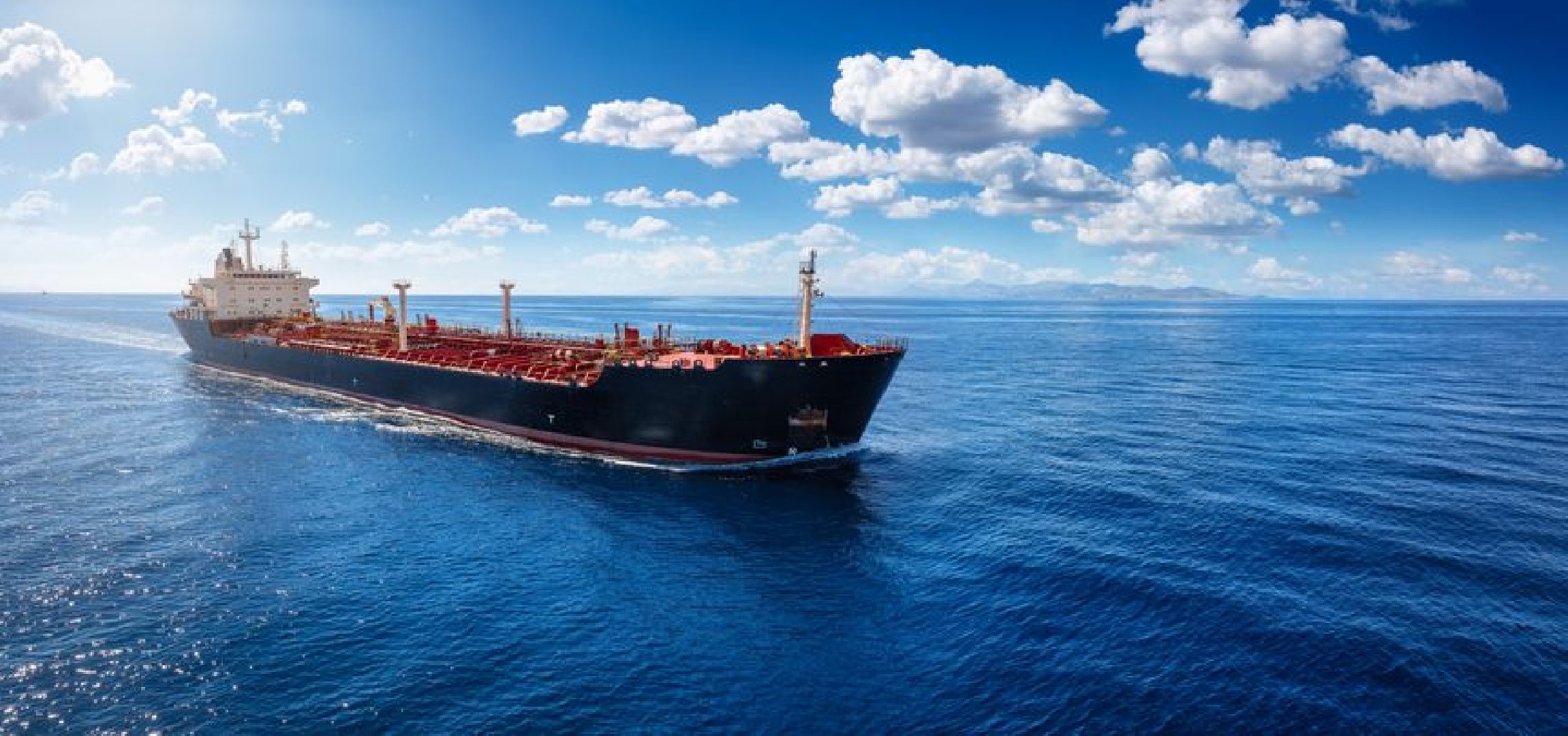
The shift reflects a pragmatic reassessment of regional security as threats against the Bab el-Mandeb and Hormuz channels escalate. While Washington has traditionally acted as the primary guarantor of these waterways, regional capitals now view the American security umbrella as insufficient against current disruptions. Consequently, leaders in the Gulf have begun lobbying Beijing to leverage its position as a primary purchaser of Iranian oil to enforce restraint.
Foreign Minister Wang Yi and special envoy Zhai Jun have initiated rounds of diplomacy aimed at securing a ceasefire, though tangible results have yet to materialize. Beijing occupies a delicate position, balancing its role as a key Iranian ally against its own dependence on uninterrupted Gulf energy flows. Skeptics note that China remains cautious, prioritizing its long-term great-power rivalry with Washington over immediate regional mediation. Whether Beijing possesses the political will to pressure Tehran remains the central question for Gulf states navigating this uncertain transition in geopolitical influence.


Comments (0)
No comments yet. Be the first!