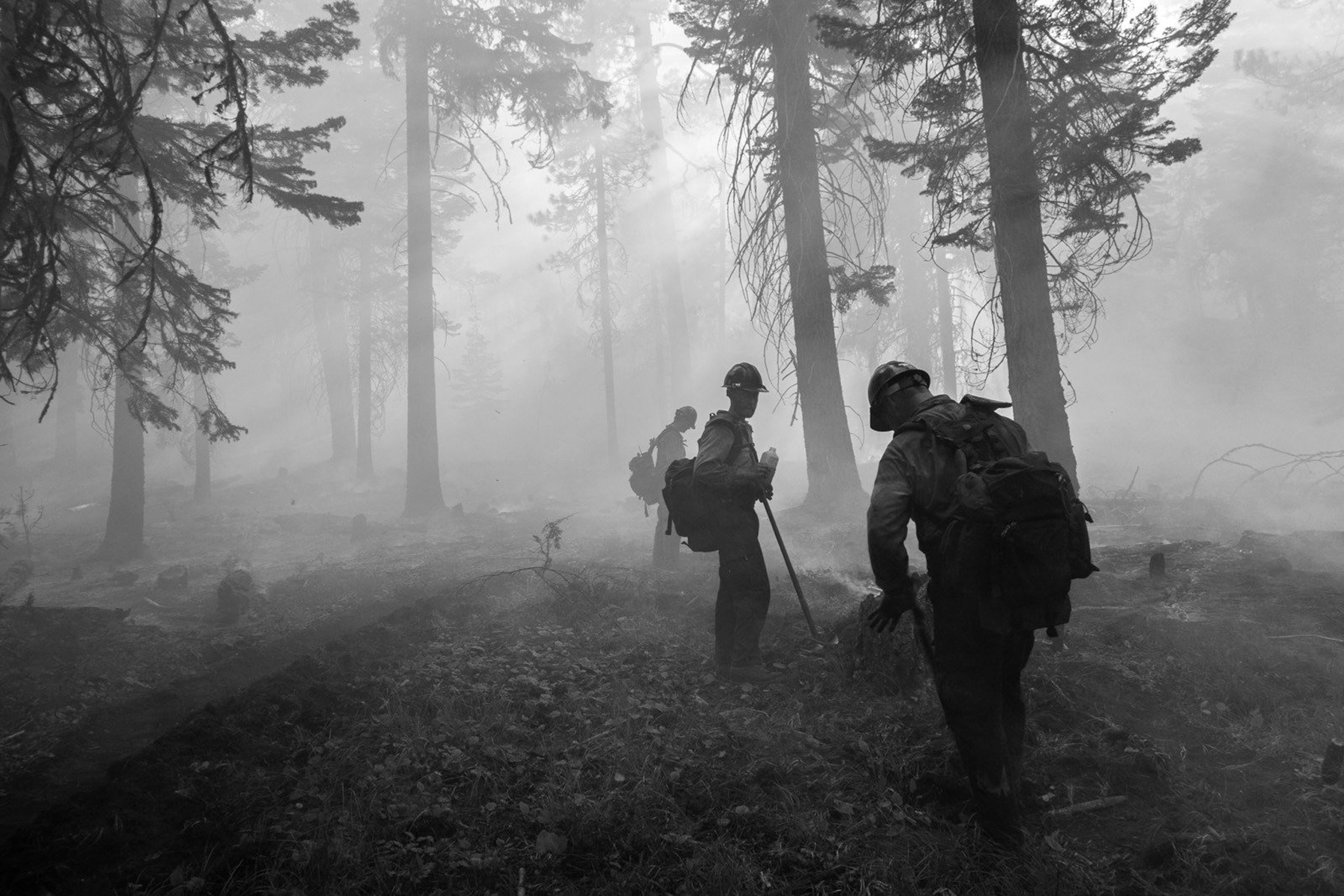
In France, the Gironde region remains the focus of an intense battle against flames that have scorched 42,000 hectares near Bordeaux. While 220,000 people were initially evacuated, authorities have allowed some residents to return as weather conditions shift toward cooler temperatures and higher humidity. Despite this progress, officials warn that the risk of fire remains extreme, with two individuals currently in custody on suspicion of arson.
Greece is grappling with a more tragic toll, mourning three firefighters who died while fighting fronts in central Crete and the Peloponnese. Strong winds continue to ground aerial support, leaving more than 200 ground crews to defend villages like Krya Vrysi. Meanwhile, Spain reports at least 10 active wildfires, with Prime Minister Pedro Sanchez labeling the situation extreme. In Castellon alone, 9,300 hectares have been lost, forcing over 1,300 people to abandon their communities.
These concurrent disasters highlight a grim trend for Europe, which currently ranks as the fastest-warming region on the planet. With average temperatures tracking 3.6°C above historical norms, the continent is moving beyond isolated incidents toward a permanent state of climate-driven instability. The destruction of forests and infrastructure now poses a direct threat to the regional economy, forcing governments to confront the reality that emergency response alone is no longer sufficient to mitigate these systemic risks.



Comments (0)
No comments yet. Be the first!