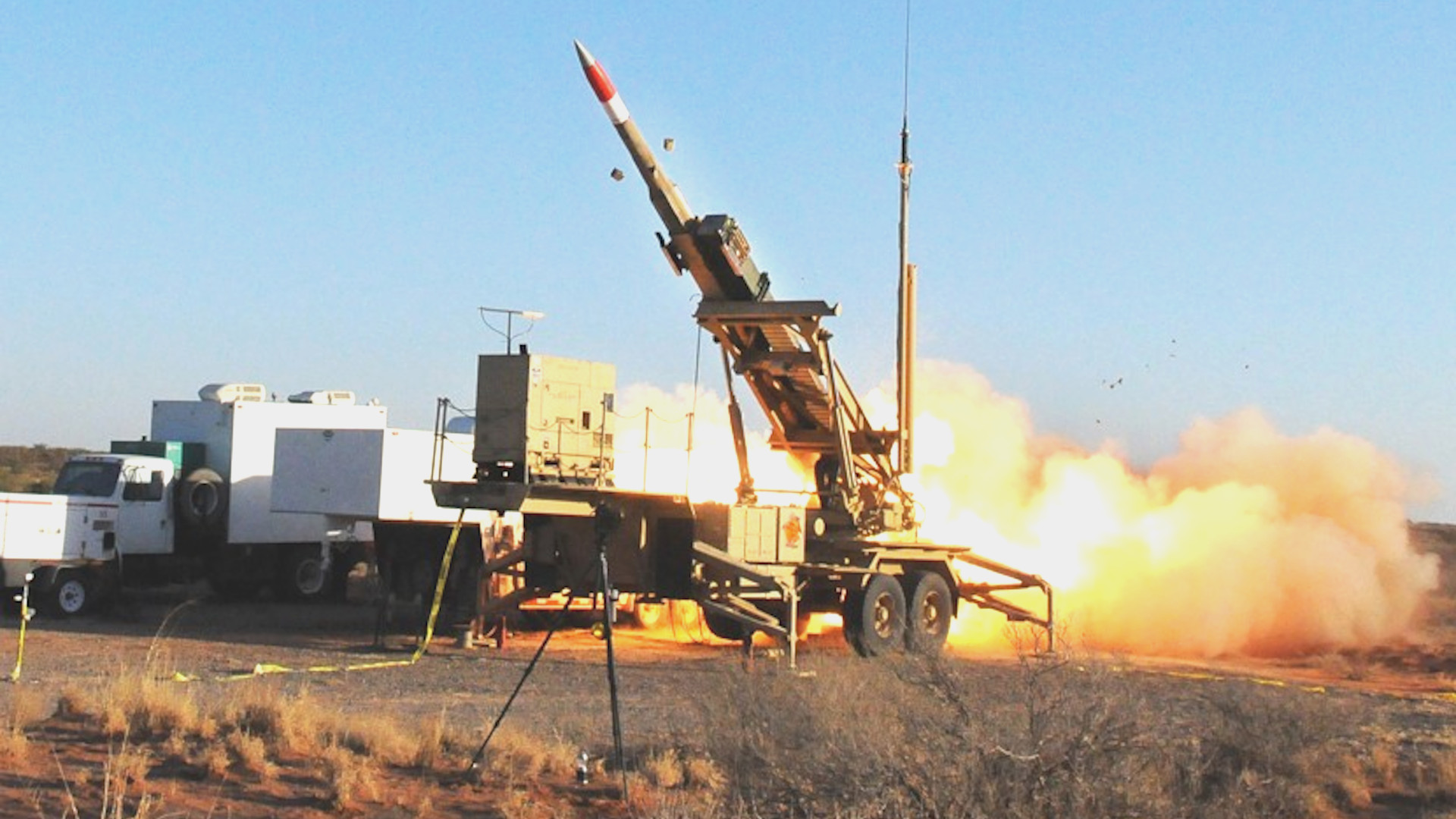
The Pentagon’s decision reflects an urgent pivot toward replenishing critical munitions as global demand outpaces existing supply chains. By locking in long-term production, the military seeks to maintain its readiness for overseas maneuvers while simultaneously upholding its commitments to international allies. This dual pressure has forced a reassessment of how quickly the defense industrial base can scale output during periods of prolonged geopolitical friction.
Beyond simple procurement, the deal highlights the mounting friction between immediate tactical requirements and the necessity for a stable long-term strategic reserve. As the threat landscape shifts, the reliance on defense contractors like Lockheed Martin becomes the primary mechanism for ensuring that national security capabilities remain intact despite the heavy outflow of hardware to Eastern Europe and the Middle East.



Comments (0)
No comments yet. Be the first!