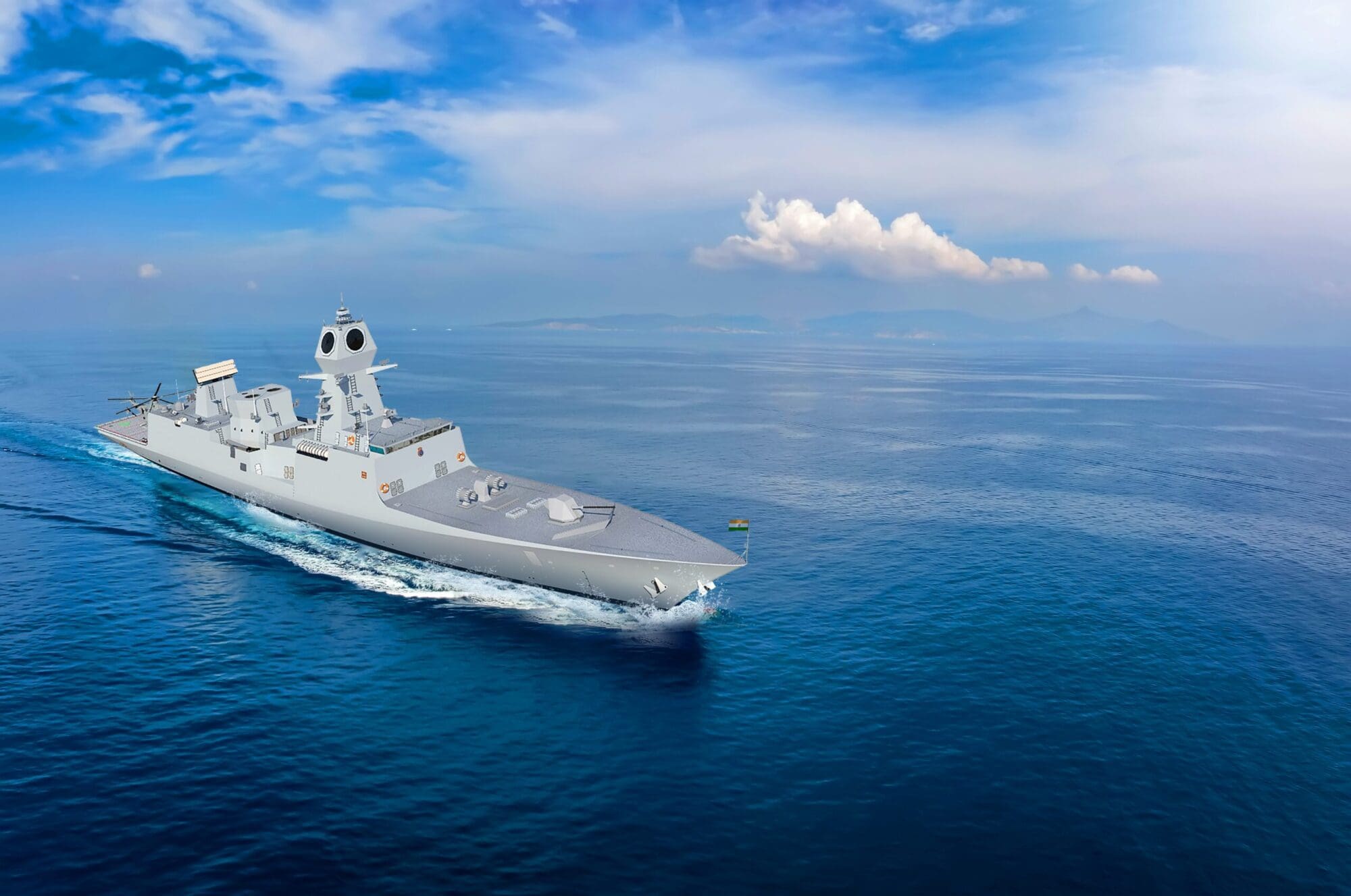
India’s strategic posture relies on its central geography, overseeing the critical sea lines of communication that carry 80 percent of global oil trade. Through initiatives like the Indo Pacific Oceans Initiative, New Delhi seeks to stabilize the region while modernizing its navy. However, China’s Belt and Road investments in ports across Sri Lanka and Myanmar have fundamentally altered the balance of power, forcing India into deeper, often contentious, security alignments with the United States, Japan, and Australia.
This shift challenges India’s traditional commitment to strategic autonomy. While the Quadrilateral Security Dialogue provides a platform for naval coordination, it also risks painting India into a bloc-politics corner. Meanwhile, smaller states—from Mauritius to Indonesia—are actively hedging their bets. These nations prioritize economic connectivity and infrastructure over exclusive security pacts, creating a complex diplomatic environment that limits the effectiveness of any single power’s containment strategy.
Defense planners in New Delhi face a difficult fiscal reality. With the need to manage continental border disputes alongside maritime readiness, resource allocation is stretched thin. Ultimately, India’s influence in the Indian Ocean will likely hinge on its ability to offer a collaborative regional order rather than an exclusionary one. As smaller states continue to diversify their foreign policies, the capacity to build trust and maintain inclusive institutions may prove more decisive than naval expansion alone.



Comments (0)
No comments yet. Be the first!