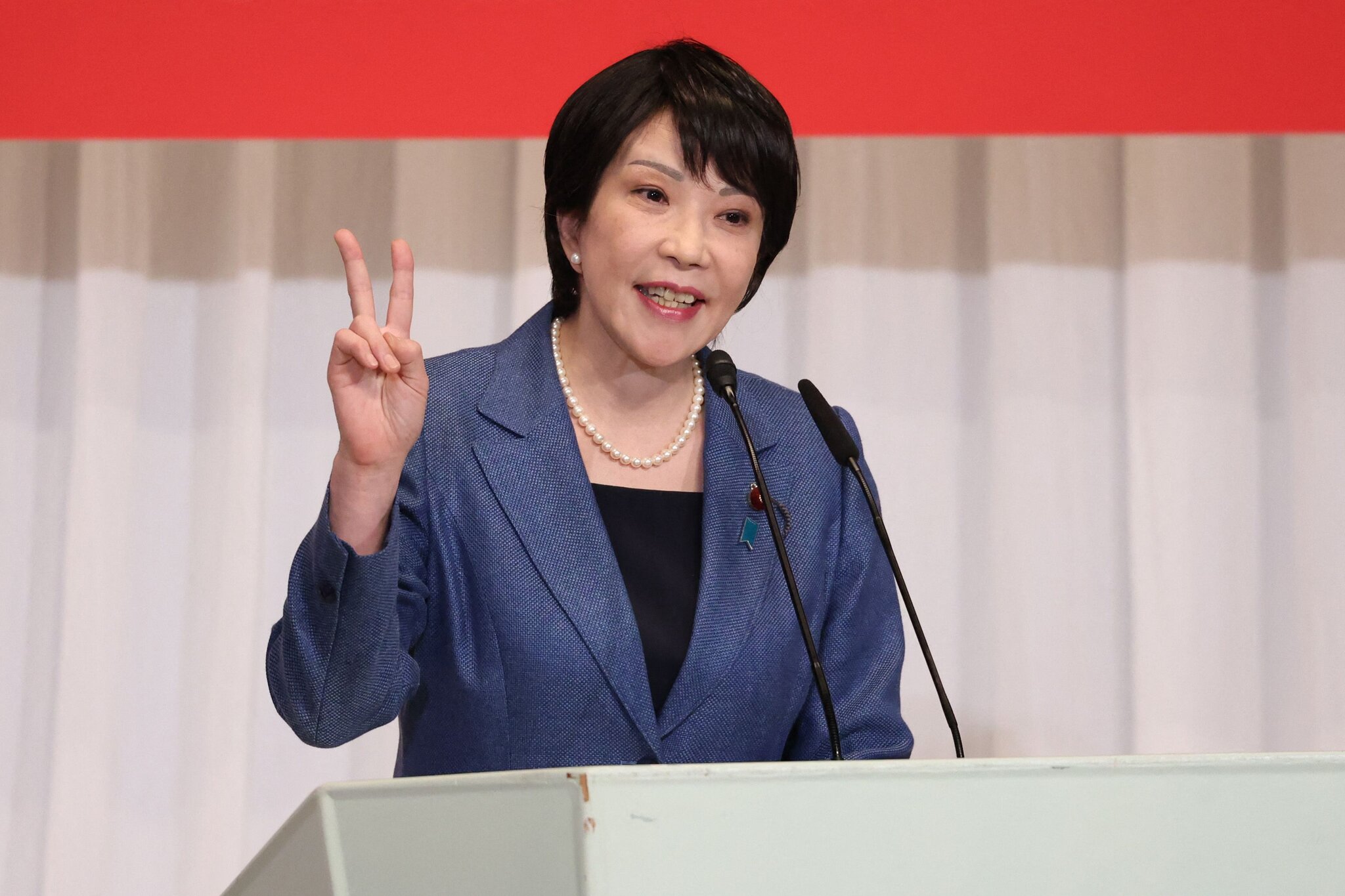
The project represents the most significant shift in Japanese national security policy since 1945. Prime Minister Sanae Takaichi has prioritized the creation of a national intelligence bureau that reports directly to her office, aiming to unify agencies that have historically operated in isolation. Officials intend for this new framework to conduct overseas espionage, recruit human assets, and intercept communications—capabilities the nation has long lacked.
Driving this urgency is the vulnerability of Japan’s industrial sector. Experts like Ken Kotani of Nihon University note that Japan often fails to detect when corporate secrets or semiconductor data are stolen by foreign actors. By strengthening anti-espionage legislation and cyber surveillance, Tokyo hopes to close these gaps. However, the move faces internal resistance. Civil liberties advocates warn that granting the state broad intelligence-gathering powers could infringe on fundamental freedoms and drag the country into a realm of shadow warfare that its constitution was designed to avoid.
While Western allies within the Five Eyes alliance have long pushed for a more robust Japanese presence, the transition remains a long-term goal. Former officials suggest that while Japan could eventually become a vital source of intelligence on North Korea and China, the process requires deep cultural and bureaucratic changes that will take years to fully realize.




Comments (0)
No comments yet. Be the first!