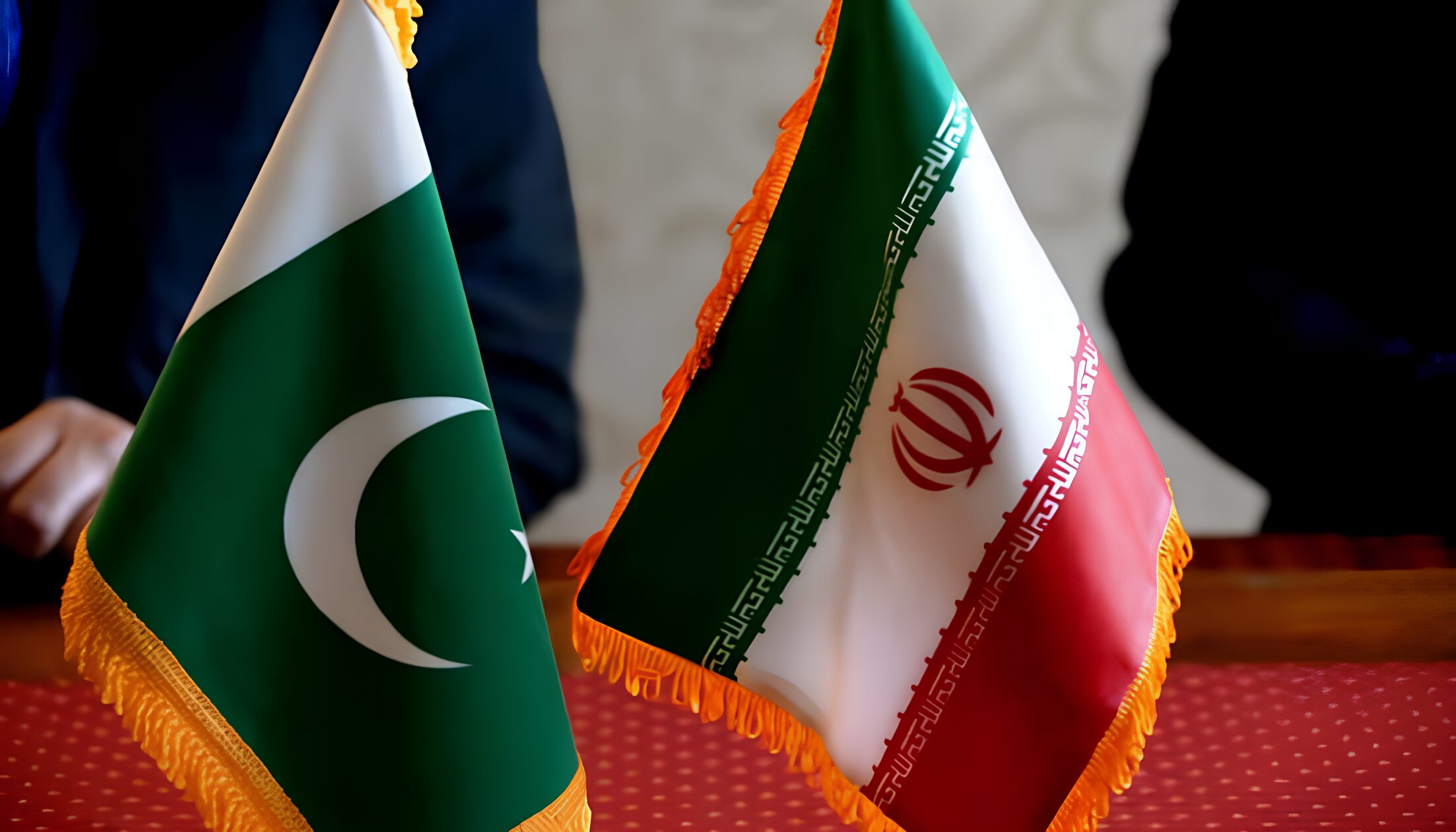
The exploratory talks follow a series of meetings between Momeni, who maintains close ties to the Iranian Revolutionary Guard Corps, and Pakistani leadership, including army chief Asim Munir. While Beijing is aggressively pushing for a resolution to secure its economic interests in the Middle East, the path to a deal remains fraught with geopolitical tension.
Pakistan finds itself in a delicate balancing act. Islamabad must maintain its financial alliance with Saudi Arabia, which has faced recent naval blockades from Iran-backed Houthi forces, while simultaneously answering to Beijing, its primary economic benefactor. The closure of the Strait of Hormuz and disruptions in the Red Sea have directly impacted Chinese trade, prompting Foreign Minister Ishaq Dar to coordinate with Chinese officials during his visit to Beijing last week.
Despite a memorandum of understanding signed in June—which failed to yield results after both Washington and Tehran accused each other of violations—the current diplomatic window remains narrow. A senior Pakistani official noted that a complete cessation of attacks on Saudi Arabia and other Gulf nations is now a prerequisite for any progress. While China continues to leverage its position as Iran’s largest trading partner to facilitate these efforts, the escalating Houthi threat against Saudi tankers complicates the mediation, leaving Islamabad to navigate a conflict where the stakes for global energy security grow heavier by the day.


Comments (0)
No comments yet. Be the first!