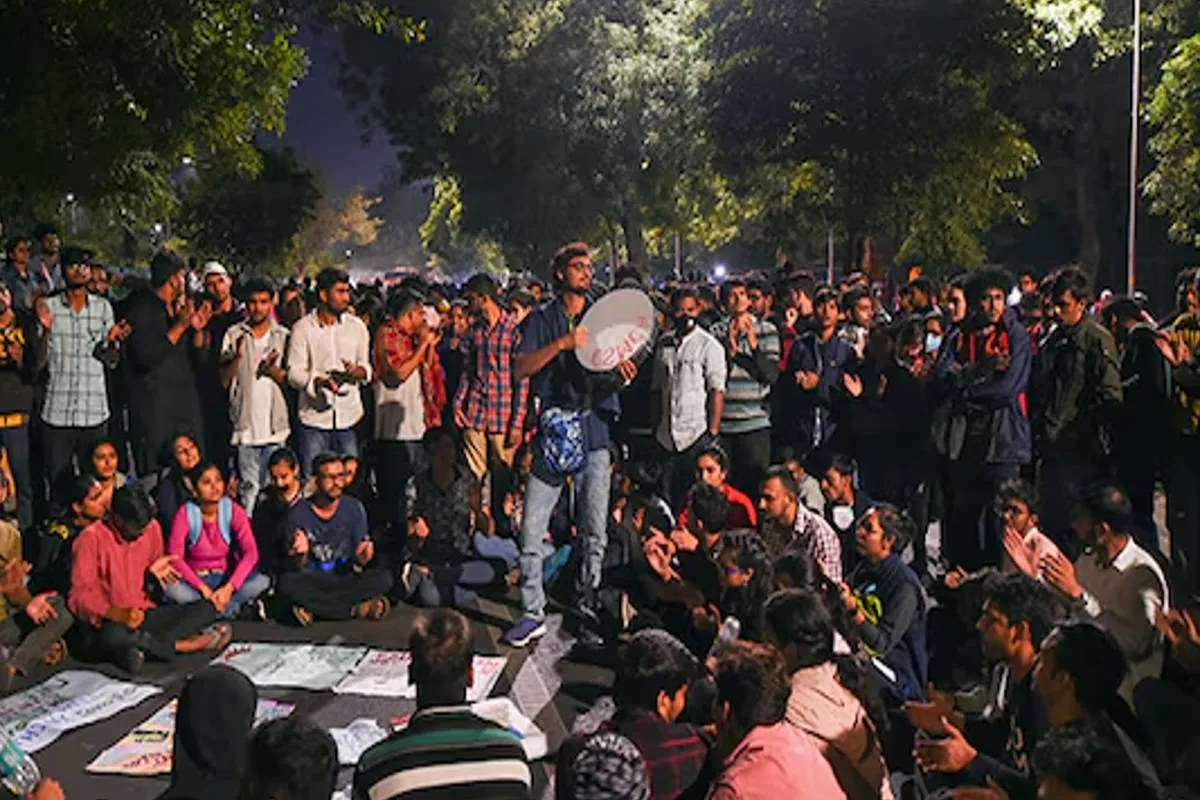
The negotiations follow the conclusion of a 26-day hunger strike by activist Sonam Wangchuk, an event that intensified pressure on Prime Minister Narendra Modi’s administration. What began as a satirical online campaign has transformed into the most significant youth-led challenge to the government since 2014, drawing tens of thousands of protesters to Delhi’s streets. The movement was ignited by the cancellation of the National Eligibility cum Entrance Test, which affected nearly two million students and exposed deep-seated vulnerabilities in the national testing infrastructure.
While the government has proposed stricter legislation to penalize those responsible for leaks, CJP spokesperson Saurav Das insists that punitive measures are insufficient without fundamental systemic reform. Protesters remain entrenched at the Jantar Mantar site, maintaining that accountability must start with the removal of the Education Minister. The standoff has prompted authorities to shutter 17 metro stations and disrupt mobile internet services in central Delhi, citing the need to maintain public order.
Opposition parties are increasingly aligning with the protesters, viewing the unrest as a strategic opening ahead of critical state elections in Uttar Pradesh, Gujarat, and Punjab. As the movement gains momentum, observers note that the willingness of young voters to openly target the Prime Minister through satire and public dissent marks a shift in India’s political climate. Even if Friday’s talks provide a framework for de-escalation, the movement’s leadership has made it clear that their campaign for institutional reform will continue regardless of the immediate outcome.



Comments (0)
No comments yet. Be the first!