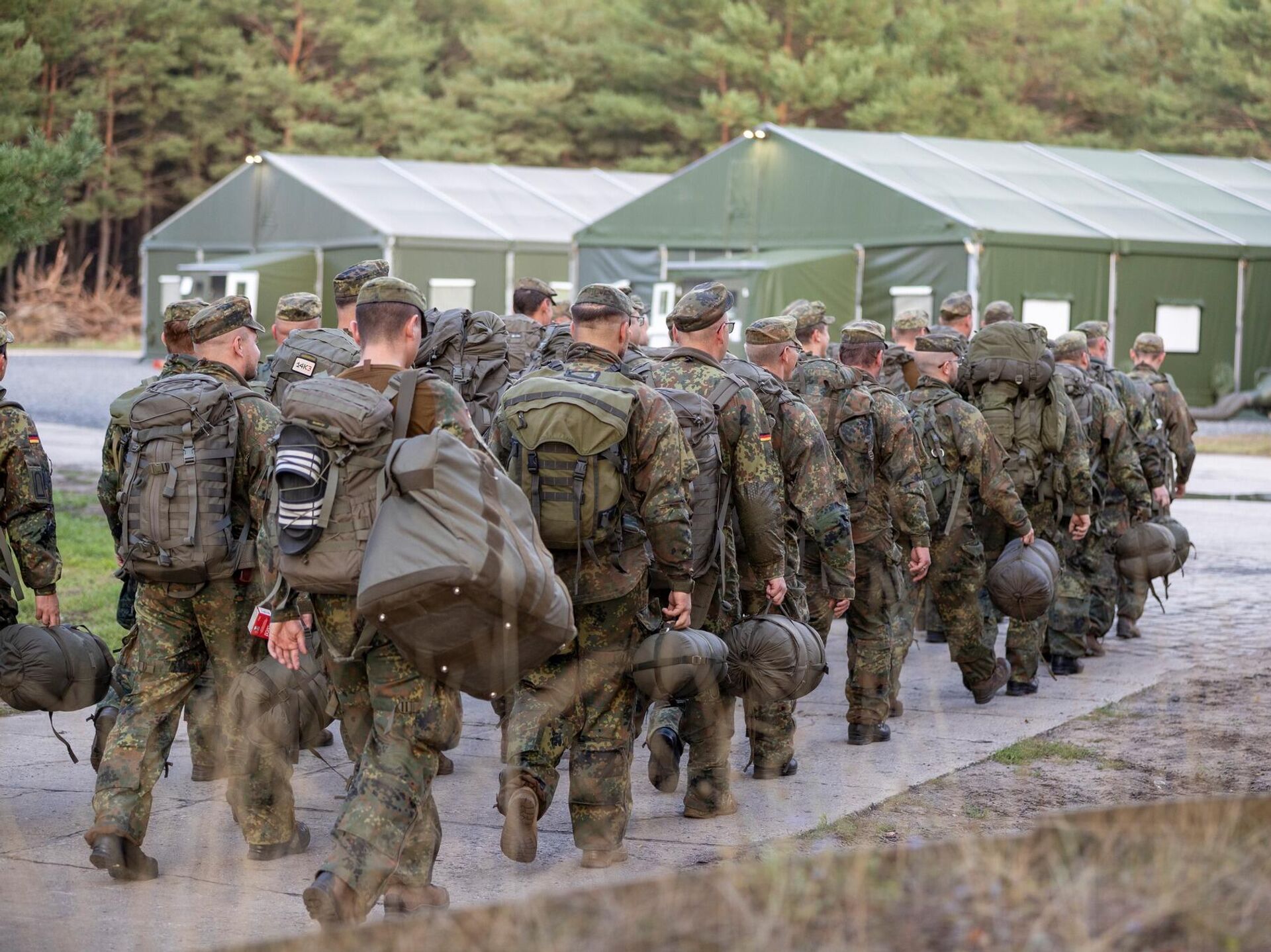
Chinese analysts are scrutinizing Germany’s ambitious plan to expand its armed forces to 260,000 personnel, alongside legislative efforts to reintroduce military service. These observations extend beyond personnel counts to include tactical performance, combat doctrine, and the technological maturity of German defense industry assets like fighter jets and naval systems. Beijing views these reforms as a critical indicator of whether Europe can alleviate the security burden currently shouldered by the United States.
Structural weaknesses remain the primary focus of these intelligence reports. PLA analysts highlight Germany’s persistent recruitment crisis and logistical hurdles as evidence that European powers struggle to act decisively outside their immediate borders. This skepticism was reinforced by Berlin’s cautious approach to patrolling the Strait of Hormuz, where the requirement for strict parliamentary mandates and international consensus signaled to Chinese planners that European military engagement remains tethered to complex political constraints.
By mapping these limitations, Beijing is refining its own deterrence strategies for the Taiwan Strait. Chinese military planners simulate scenarios—such as intensive exercises around Taiwan—to test how European supply chain vulnerabilities and disjointed defense capabilities might fracture a unified Western response. Ultimately, the assessment of the Bundeswehr serves as a barometer for the efficacy of the broader NATO alliance, helping China gauge the likelihood of a swift, integrated military intervention should a crisis erupt in the Indo-Pacific.


Comments (0)
No comments yet. Be the first!