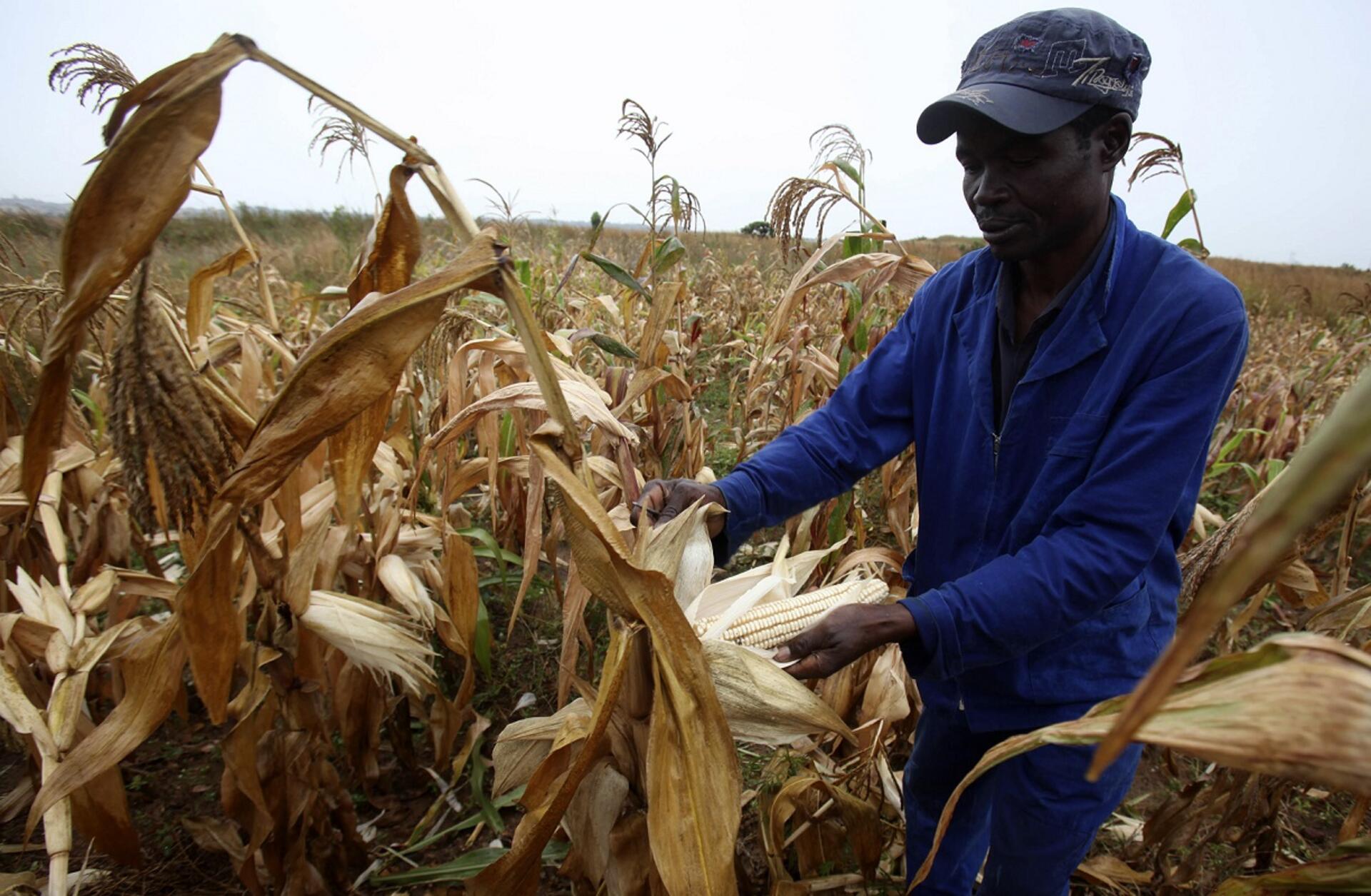
The Zimbabwe Emergency Food Production Project, which concluded on June 30, 2026, transformed cultivation across 153,000 hectares. By providing drought-tolerant seeds and agricultural extension services, the program helped the nation achieve record wheat harvests, with average yields reaching five tonnes per hectare. This shift toward climate-resilient farming systems provides a template for the country’s 2026–2030 rural transformation strategy, which aims to grow the sector to $15.8 billion by the end of the decade.
Financial inclusion served as a cornerstone of the effort, particularly for women, who made up 60 percent of the beneficiaries. The Seed Revolving Fund managed by the AFC Land and Development Bank saw a 90 percent loan repayment rate, proving the reliability of small-scale farmers. Beyond credit, the project deployed digital registries and physical infrastructure—such as moisture meters and grain silos—to curb post-harvest losses. These interventions reduced reliance on imported agricultural goods while establishing a data-driven framework for future policy.




Comments (0)
No comments yet. Be the first!