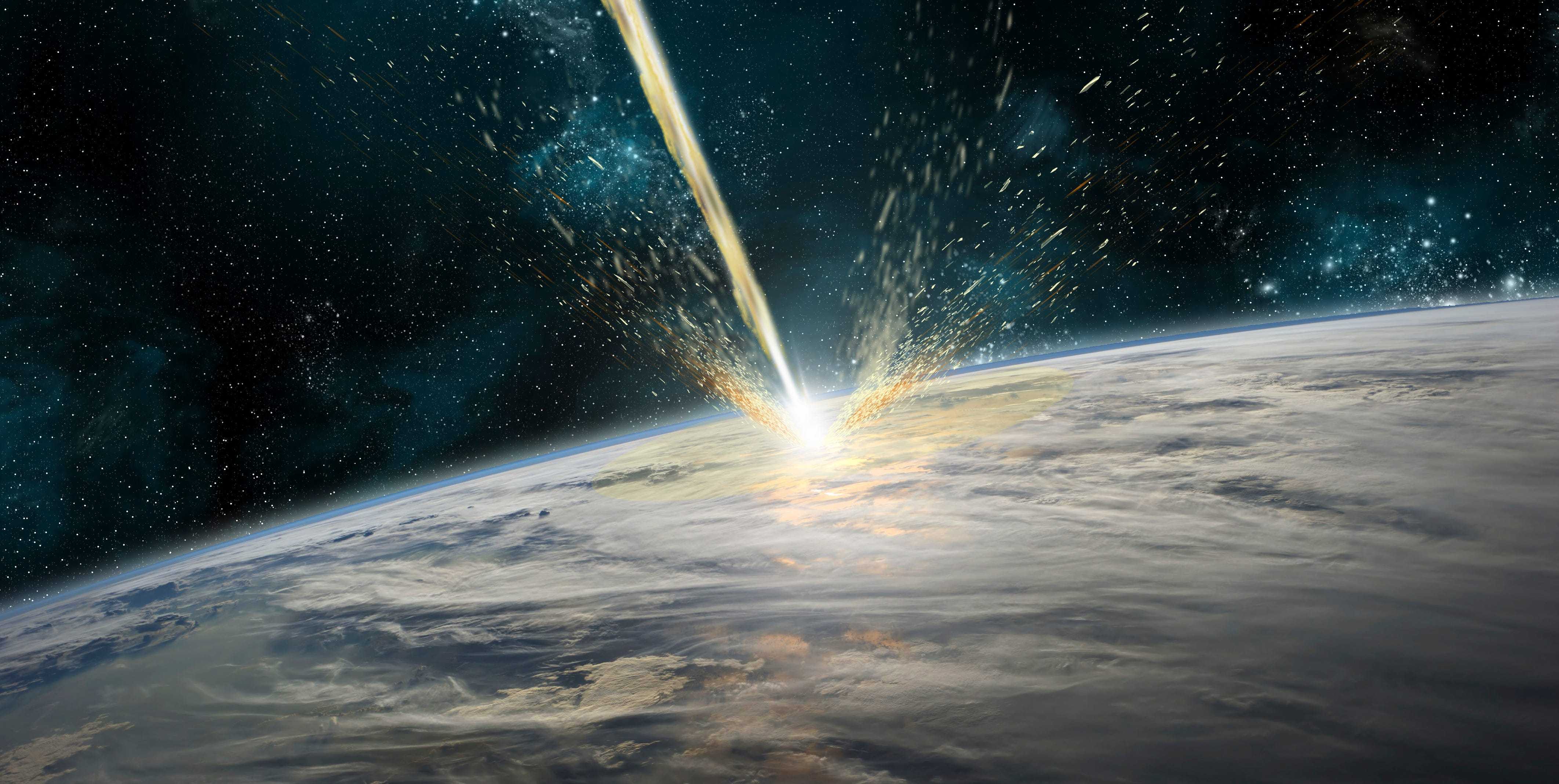
The 10-kilometre-wide asteroid responsible for the Chicxulub crater belongs to a class of meteorites that accounts for only 5% of those recovered on Earth. Scientists from the University of British Columbia, alongside colleagues in Paris, Brussels, and Vienna, analyzed the geochemical signature of the impact site to determine its origin. Their findings, published in Science Advances, suggest the object likely drifted from the outer asteroid belt near Jupiter before its collision with Earth.
This discovery refines the understanding of the environmental collapse that followed the impact. Because CO chondrites contain significantly lower levels of volatile elements like sulfur compared to other meteorite types, researchers now argue that the global winter was not primarily driven by sulfur-induced cooling. Instead, the devastation likely stemmed from the massive volume of pulverized rock and fine debris ejected into the atmosphere. This dense cloud obscured sunlight, disrupting the climate for years and causing the collapse of the food chain that wiped out the non-avian dinosaurs.



Comments (0)
No comments yet. Be the first!