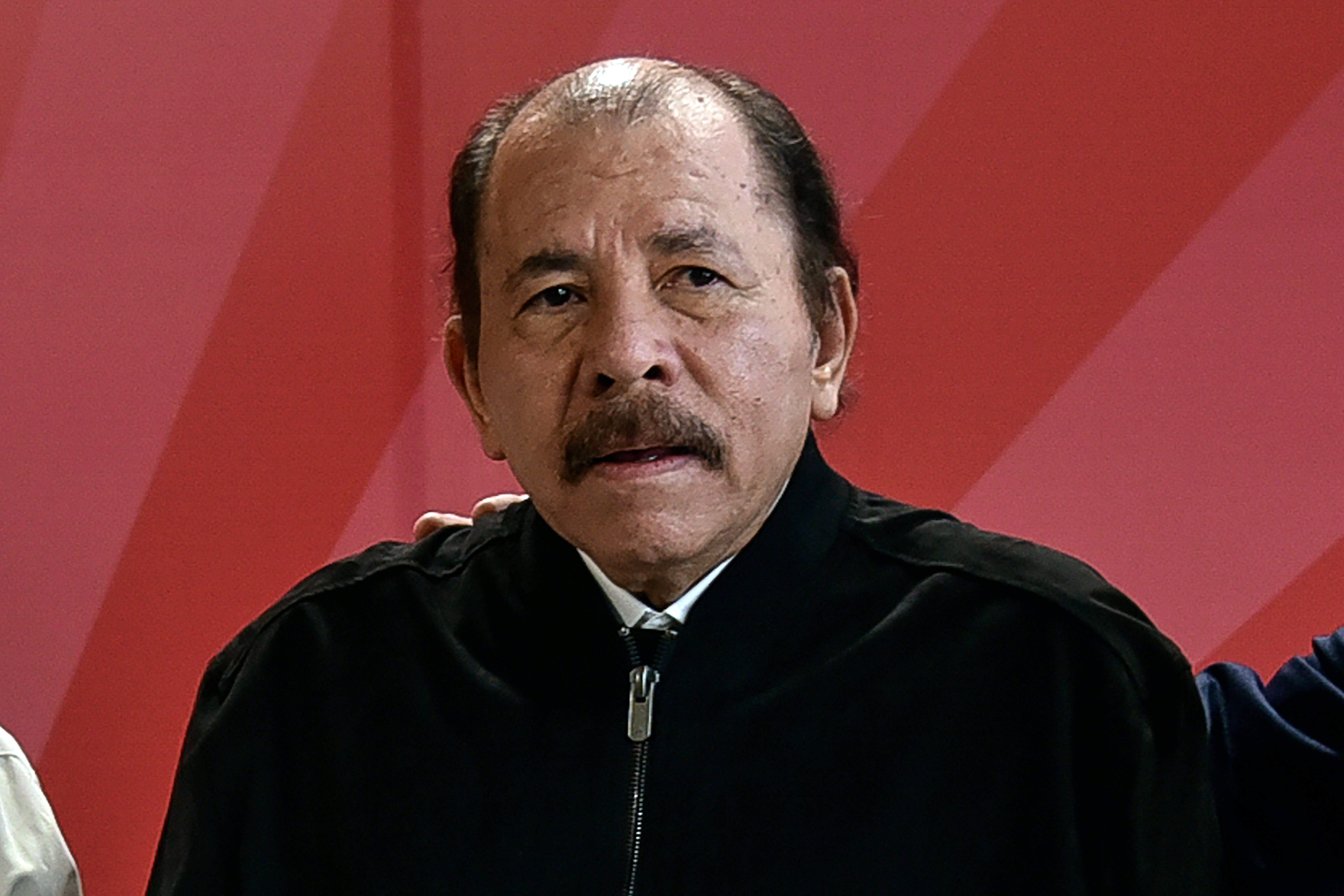
Ortega, who has held the presidency since 2007, confirmed the policy shift during a commemoration of the Sandinista revolution. The decision formalizes a governance structure shared with his wife, Vice President Rosario Murillo, and signals a definitive departure from democratic norms. Exiled opposition figures contend that the move is a calculated strategy to neutralize any remaining threats to their control, as the state moves to insulate itself from external political pressure.
Washington has long characterized the Ortega administration as a dictatorship, citing extensive human rights abuses and the systematic detention of political rivals. The previous election cycle was defined by the removal of viable opposition candidates, a pattern that observers suggest will now become permanent policy rather than a temporary measure. The international community views this transition as a critical turning point that leaves no legal path for civil society to challenge the current leadership.



Comments (0)
No comments yet. Be the first!