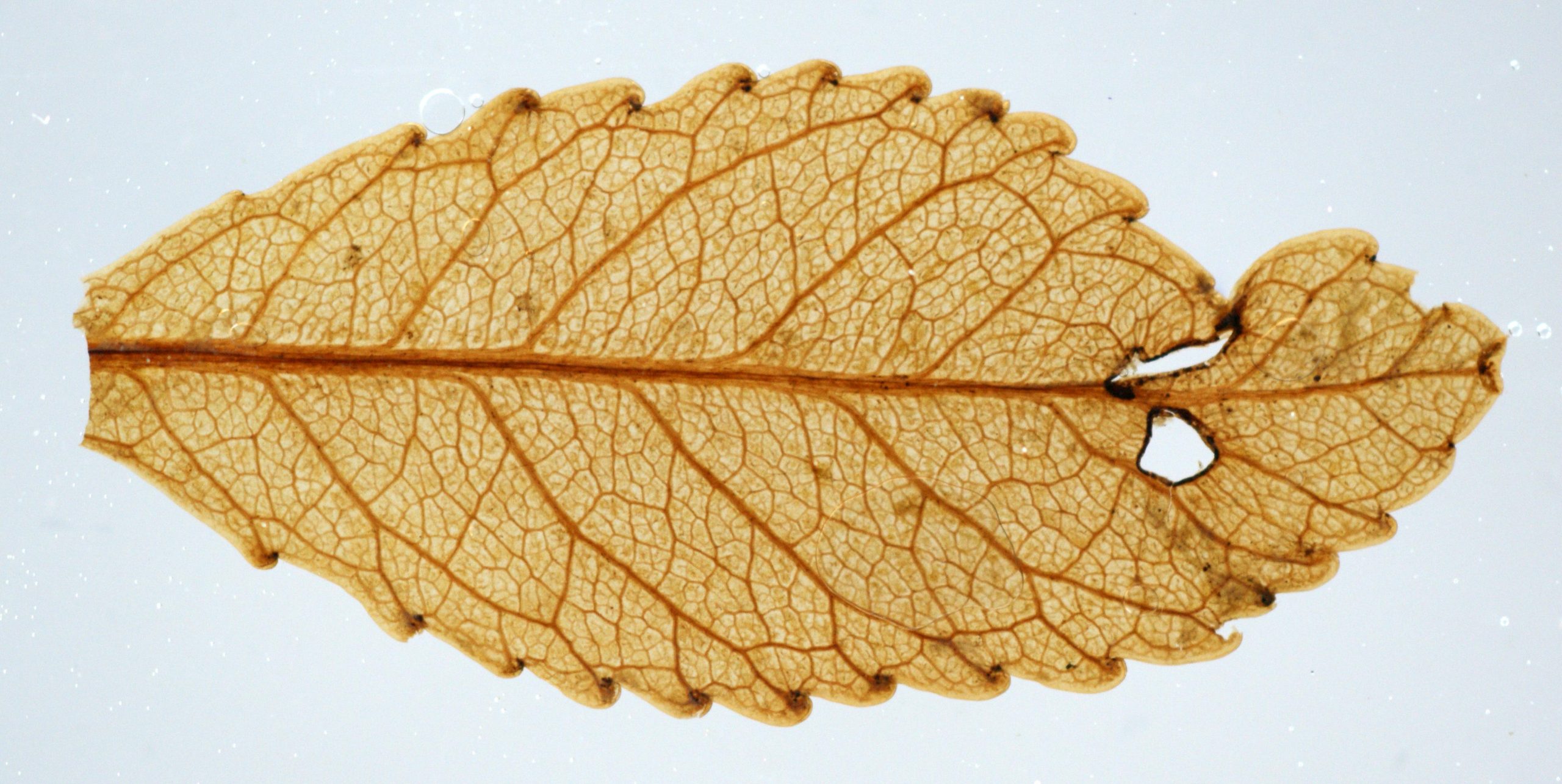
A team from the Birbal Sahni Institute of Palaeosciences, led by Harshita Bhatia and Gaurav Srivastava, identified four well-preserved specimens within the Tikak Parbat Formation. Through comparative analysis against modern herbarium records, the scientists confirmed that the fossils share the distinct sword-shaped architecture, parallel venation, and prickly margins characteristic of the Pandanaceae family. Because global fossil records for this group are exceptionally scarce, the find provides a critical link in the evolutionary timeline of tropical flora.
The discovery suggests that the Indian subcontinent served as a biological refuge, shielding ancient plants from the climate shifts that caused their extinction in other regions. By bridging the gap between older records in Europe and North America and younger specimens found in Australia, these fossils clarify how the lineage migrated and persisted. Today, the Kevda plant remains a staple in Indian cultural life, prized for the aromatic essence used in traditional medicine, perfumes, and religious rituals.




Comments (0)
No comments yet. Be the first!