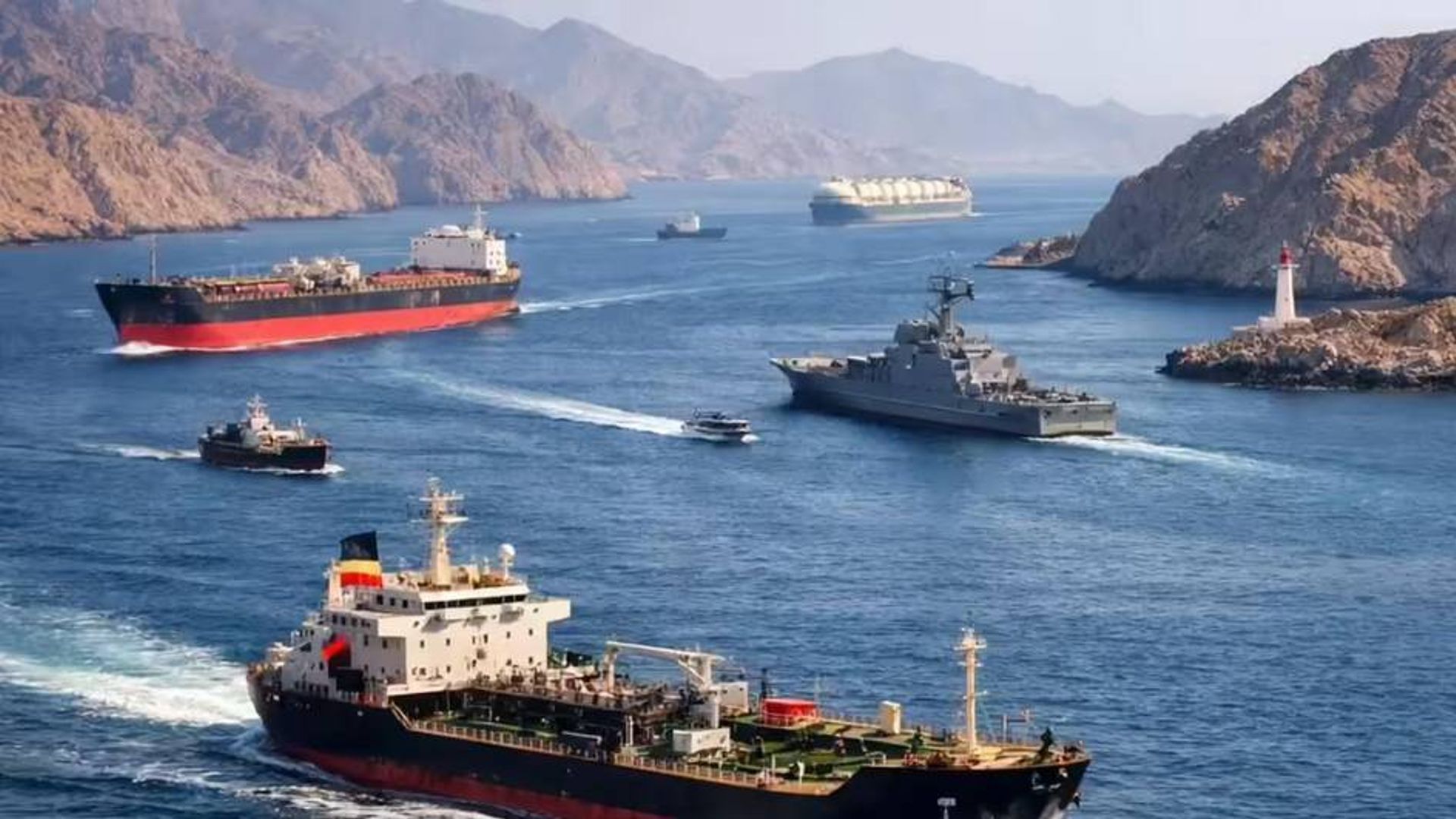
The pattern is consistent: the April truce and the June memorandum of understanding both collapsed not because of a failure in diplomatic trust or a renewal of the land war, but due to maritime incidents that neither side could verify or ignore. Tehran utilizes tanker interdiction as a low-cost, deniable pressure tactic, while Washington views Strait incidents as an immediate lever to bypass domestic political hurdles and reassert control. This dynamic creates a structural trap where ambiguity—rather than intent—dictates the life cycle of every agreement.
The Verification Vacuum
The failure to establish a joint inspection regime or neutral monitoring body is the central flaw in current negotiations. In the land war, satellite imagery provides unambiguous evidence of violations, allowing both sides to verify events in real time. In the Strait, the absence of such clarity forces leaders to rely on their own interpretations, which are inevitably framed as hostile acts. Because both Washington and Tehran currently benefit from keeping the Strait as a flexible tool for leverage, they have avoided ceding enforcement authority to third parties. Unless the next agreement includes a technical protocol for maritime incidents, the current cycle of eight-day to eight-week ceasefires is likely to repeat, regardless of the progress made on land or in sanctions relief.


Comments (0)
No comments yet. Be the first!