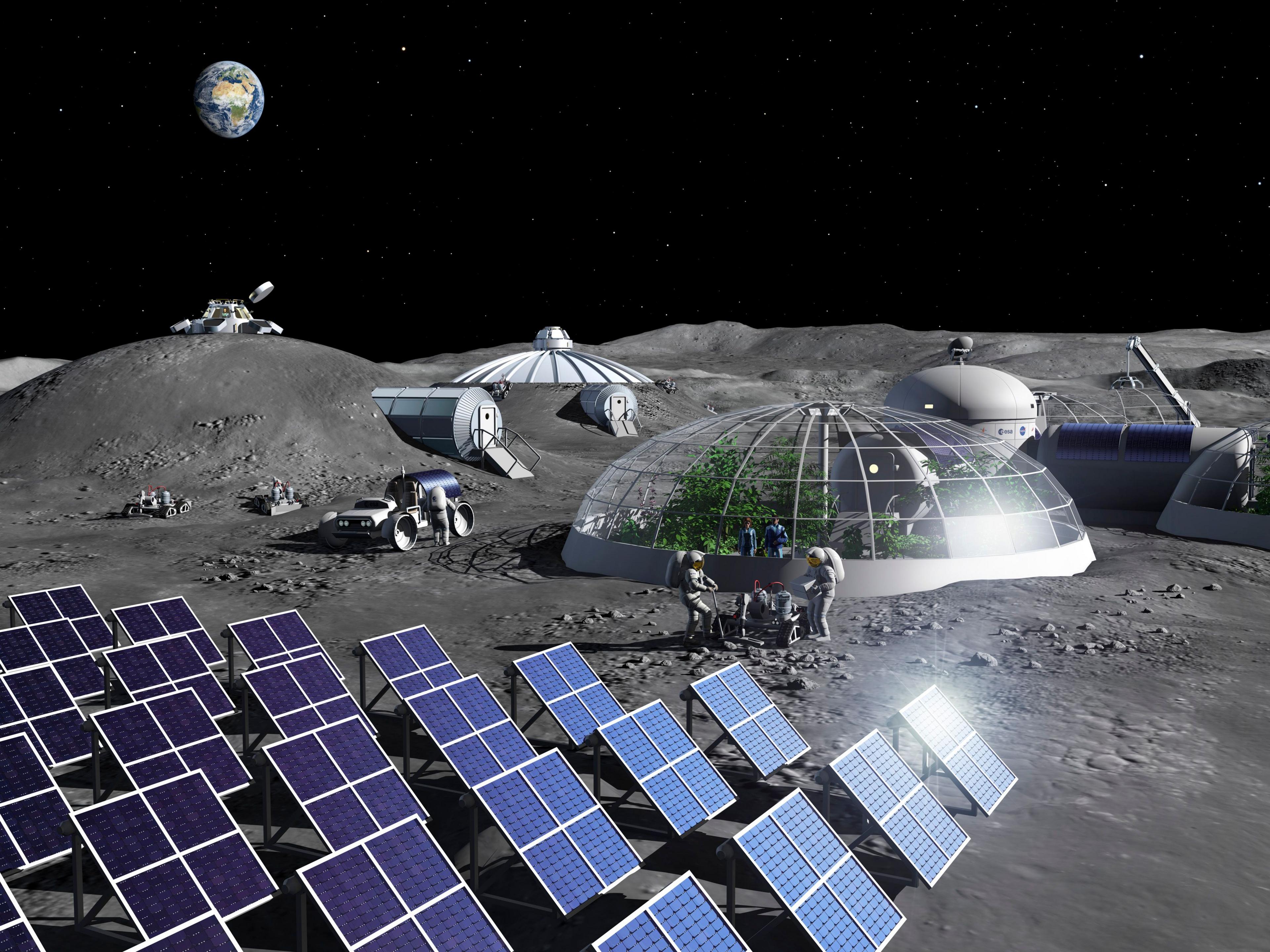
The strategic value of Helium-3, an essential isotope for future fusion energy, has turned the Moon into the next frontier of global economic dominance. While terrestrial supplies are limited to roughly 30,000 liters annually, firms like Interlune and Lunar Helium-3 Mining are developing technologies to extract the element from lunar regolith. Despite this private sector momentum, the United States lacks a unified mechanism to capture the resulting economic value for the public, unlike state-driven competitors such as China, which is currently collaborating with Russia to build an autonomous reactor on the lunar South Pole by 2036.
Congressional efforts to address this shortfall have stalled under the weight of ideological divides. Legislation like the American A.I. Sovereign Wealth Fund Act, introduced by Senator Bernie Sanders, remains deadlocked in the Senate Finance Committee, caught between competing visions of taxing tech versus utilizing tariffs. Meanwhile, the U.S. Commercial Space Launch Competitiveness Act grants private entities exclusive ownership of space resources, leaving the government without a clear path to claim royalties or equity from lunar mining operations. As budget reconciliation battles consume legislative bandwidth, the lack of a cohesive national policy risks ceding the long-term industrial infrastructure of deep space to state-backed coalitions.




Comments (0)
No comments yet. Be the first!