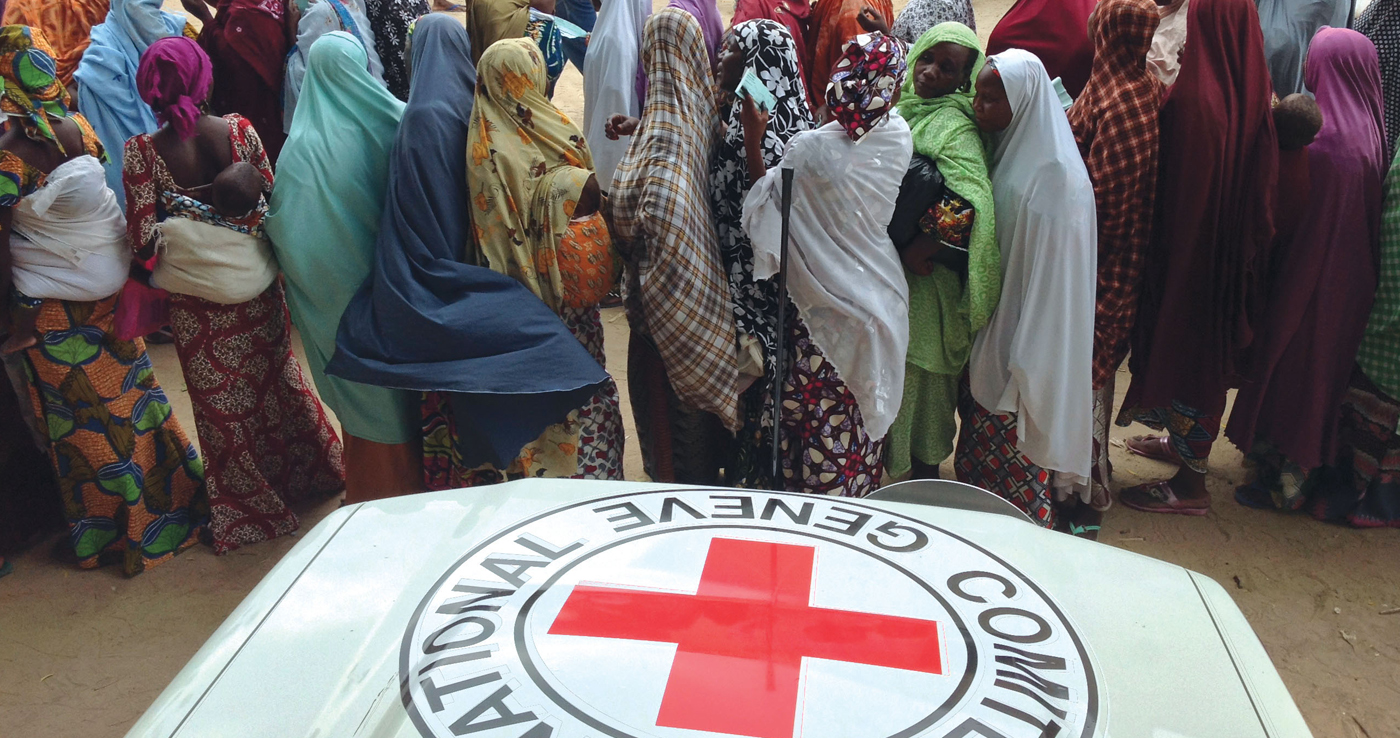
The collaboration marks a significant shift from long-term planning to scalable implementation. By pairing the Bank's government-level financial resources and policy expertise with the IFRC's network of community volunteers in all 54 African countries, the organizations intend to move beyond pilot projects. Dr. Yero Baldeh, director of the Bank’s Transition States Coordination Office, emphasized that the initiative targets overlapping crises, including displacement and public health emergencies, that require unified funding and local adaptation strategies.
Operational efforts will prioritize disaster preparedness and the expansion of climate early warning systems. This includes linking the Bank's investments in meteorological services across 17 nations with the IFRC's frontline responders. Senior Vice President Marie-Laure Akin-Olugbade noted that this integration is essential for regions like the Sahel and the Horn of Africa, where infrastructure investment must align with immediate humanitarian support. The roadmap directly supports the Bank’s Ten-Year Strategy, focusing on building local institutional capacity and accelerating inclusive development through the New Financial Architecture for Africa's Development.



Comments (0)
No comments yet. Be the first!