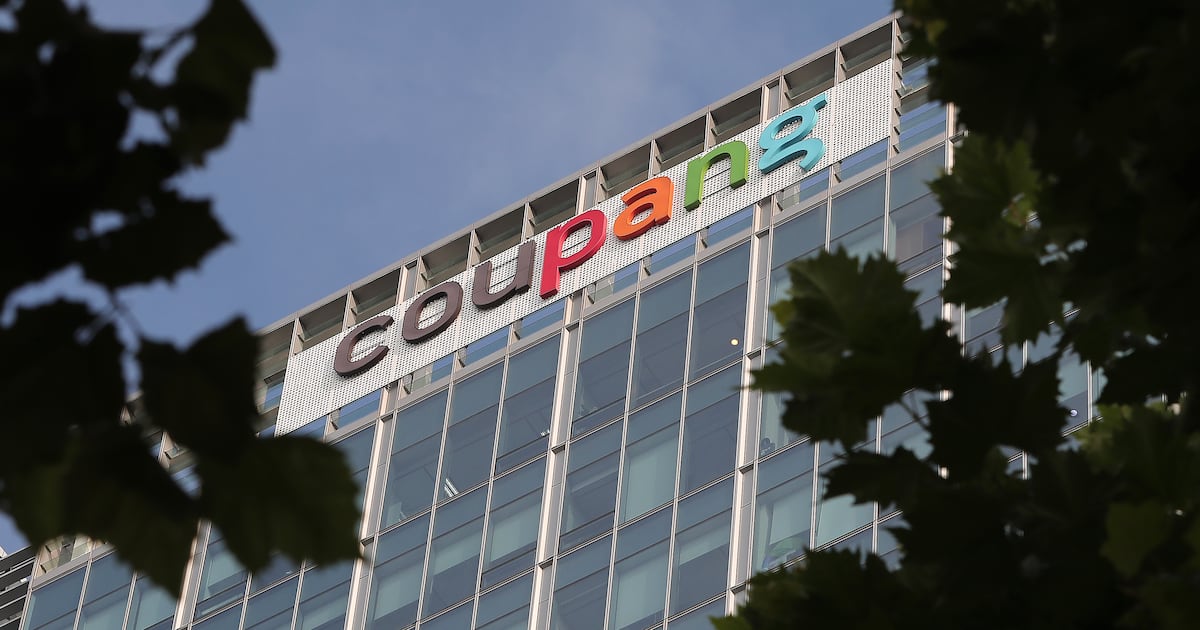
The controversy erupted after Coupang, a Seattle-headquartered firm that dominates the South Korean retail market, disclosed that an ex-employee in China accessed the personal data of over 33 million customers. South Korean regulators responded with a penalty equivalent to approximately $423 million, citing the severity of the privacy failure. Coupang has rejected the ruling, signaling intent to challenge the fine in court by arguing that the regulator ignored documented security upgrades.
Washington has increasingly viewed the move as an act of regulatory discrimination. The U.S. House Judiciary Committee recently highlighted the case as part of a broader pattern of hostility toward American technology firms in South Korea. While Seoul insists the enforcement is a standard application of local privacy law, the perception of economic nationalism is growing among U.S. officials. This friction complicates a partnership currently centered on $350 billion in planned South Korean investments in the U.S. and shared security goals regarding China and North Korea. As digital regulation becomes a core component of national sovereignty, both nations now face the risk that routine legal disputes could erode the political trust essential to their Indo-Pacific security framework.




Comments (0)
No comments yet. Be the first!