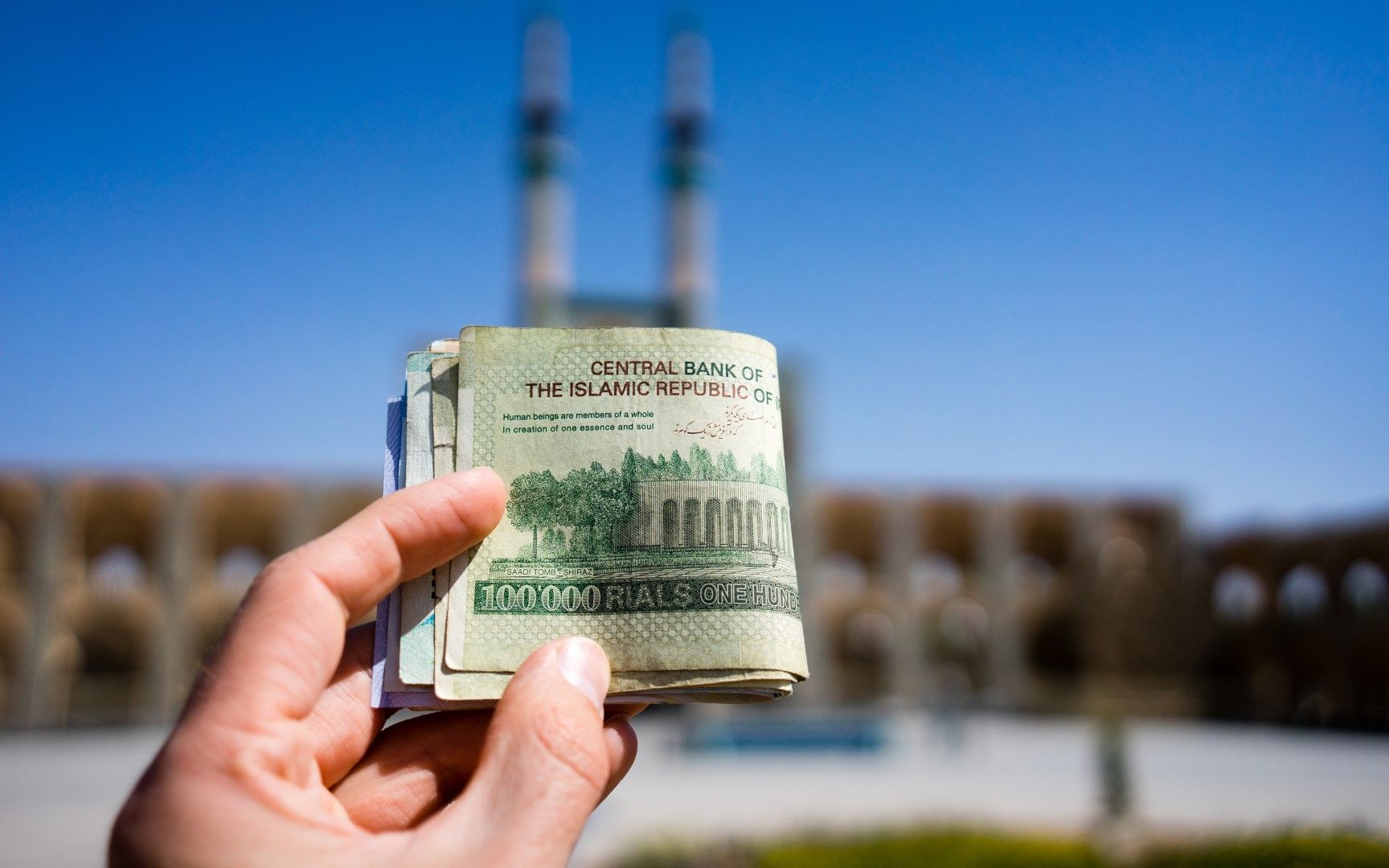
For many, the front line of this conflict is not a tactical zone but the local grocery store. Somayeh, a 40-year-old photographer based in Tehran, notes that the cost of basic provisions has nearly doubled, outpacing the psychological toll of the bombing campaigns. Years of international sanctions had already hollowed out the economy, but the current escalation has accelerated the depreciation of the rial, rendering long-term financial planning an impossibility for ordinary households.
Digital isolation serves as a second front. Amir, a 30-year-old software engineer from Sanandaj, watched his career stall as authorities repeatedly severed internet access to suppress dissent and manage security threats. This instability has forced a generation of remote workers into debt, leaving them vulnerable to sudden, state-mandated blackouts. The result is a pervasive state of paralysis; businesses delay investments, and families remain frozen by the uncertainty of whether the next day will bring peace or a new round of bombardment.
Despite these hardships, many residents reject the idea of emigration. The collapse of the currency has made relocation financially out of reach for some, while others cite a visceral commitment to their families and homes. Nazanin, a 34-year-old psychotherapist, insists that the emotional security of remaining with loved ones outweighs the risks of staying. Yet, this resilience is under constant strain. Residents like Hiwa from Mahabad warn that if inflation continues to spiral, the economic pressure may eventually force a return to public unrest, leaving the state to balance the weight of external conflict against a fracturing domestic society.


Comments (0)
No comments yet. Be the first!