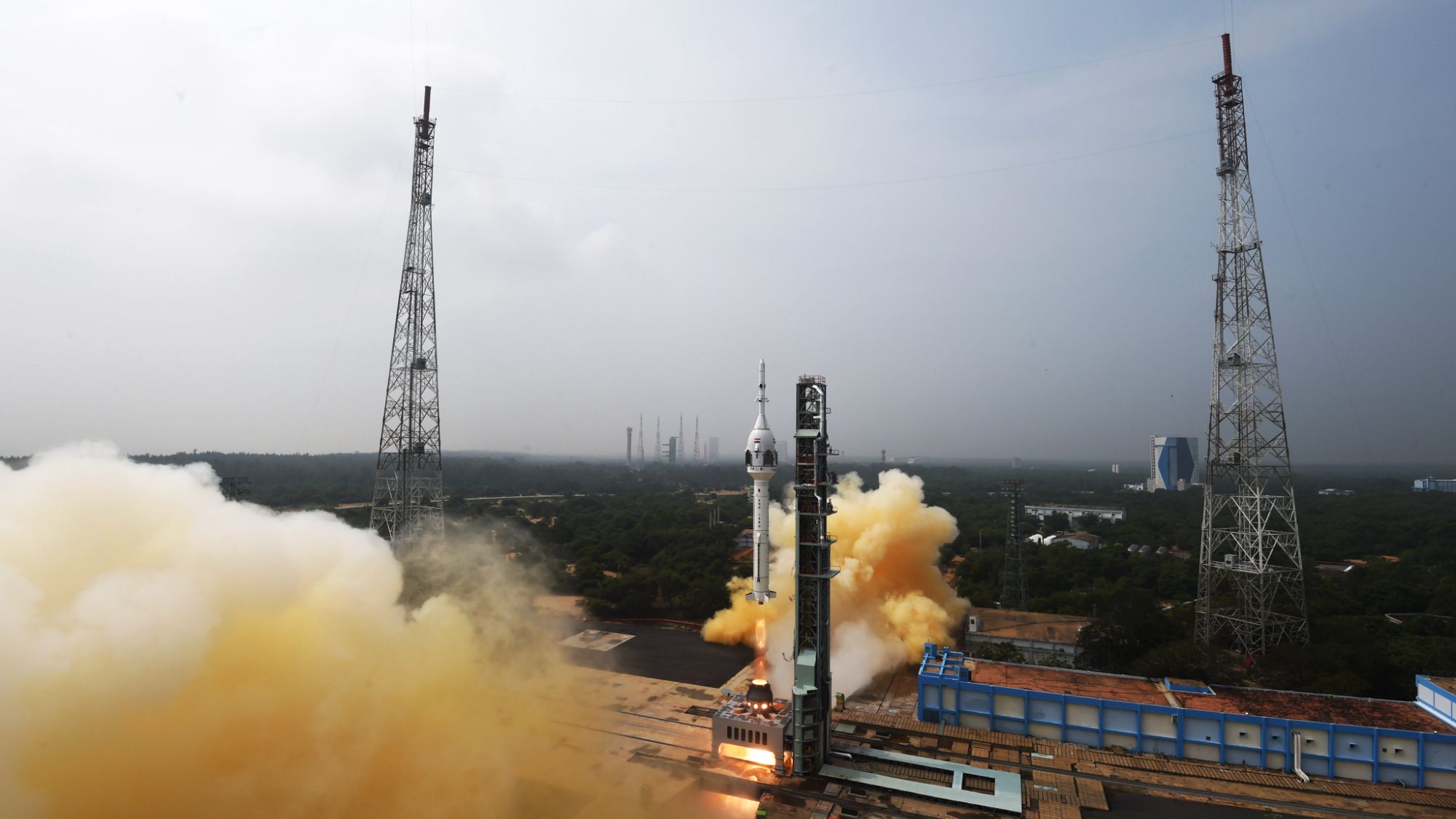
The July 14 memorandum mandates that departure requests from staff working on high-priority projects can no longer be approved at the center level. Instead, these applications must be forwarded to the Department of Space, accompanied by specific recommendations from center directors. This policy marks a reversal of 2020 administrative reforms that had delegated resignation authority to the heads of major research facilities, including the Vikram Sarabhai Space Centre and the UR Rao Satellite Centre.
The crackdown follows the departure of over 100 personnel, including high-ranking officials such as Victor Joseph T, the former project director of the LVM3 launch vehicle. Industry analysts suggest the brain drain is fueled by the rapid expansion of India’s private space sector. Since the government opened the market to private players in 2020, more than 400 space startups have emerged, drawing significant capital and talent away from state-run institutions. Companies like Skyroot Aerospace and Agnikul Cosmos now compete directly for the expertise once held exclusively by the state agency.
Beyond personnel losses, the agency is navigating a period of technical instability. The Polar Satellite Launch Vehicle, long considered ISRO's reliable workhorse, has experienced two consecutive failures within the past year. These setbacks come at a critical juncture as the agency attempts to balance the development of the Chandrayaan-4 lunar sample-return mission and the future Bharatiya Antariksh Station against a shrinking pool of seasoned engineers.



Comments (0)
No comments yet. Be the first!