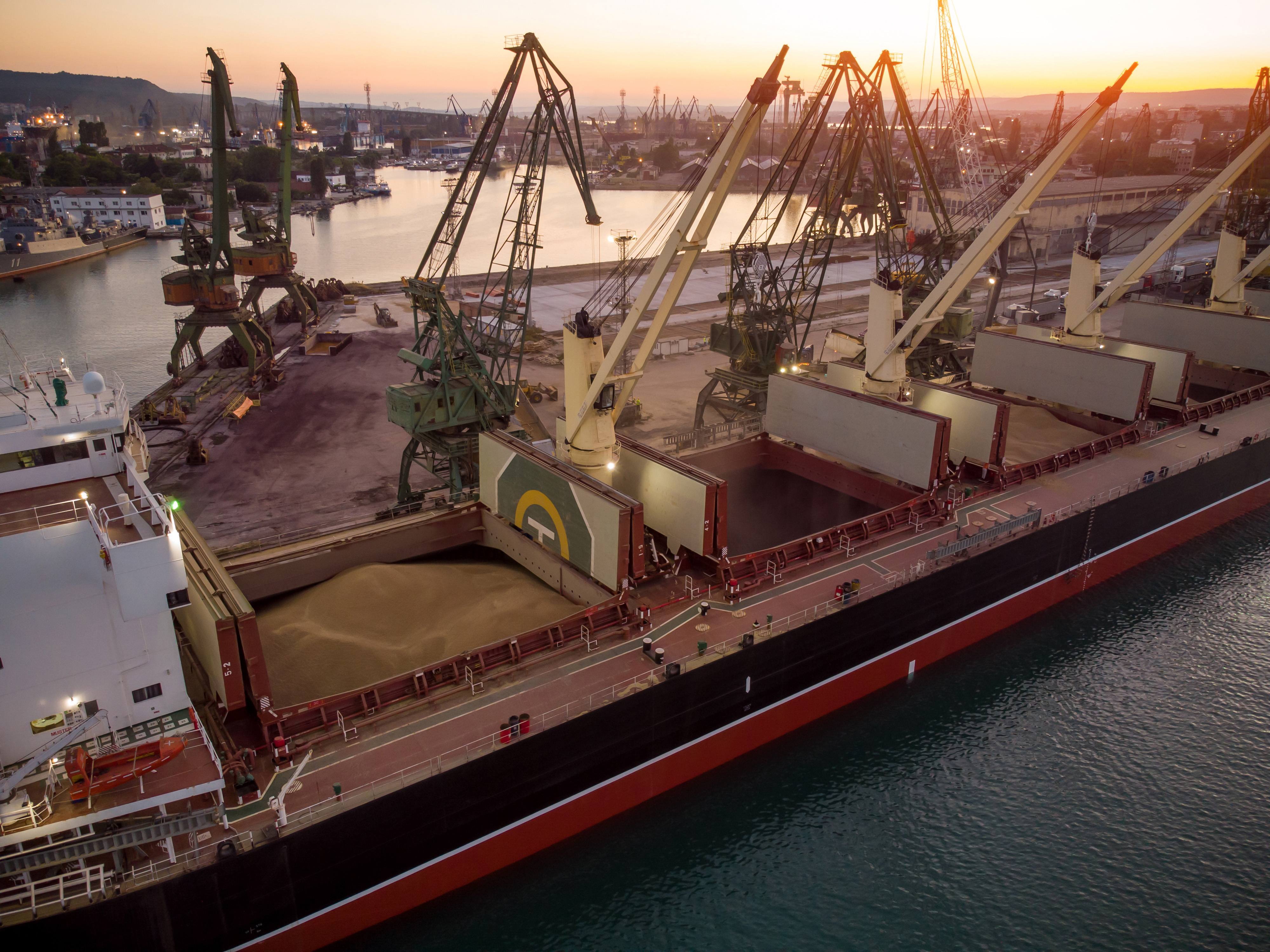
While Russian authorities have avoided a formal acknowledgment of the blockade, industry insiders report that movement remains severely constrained. The Kremlin has redirected all inquiries to the Transport Ministry, leaving the status of regional maritime corridors in a state of operational limbo. This uncertainty arrives at a critical juncture, as Russia begins its annual harvesting campaign while battling unseasonably cool weather that is already hampering logistical timelines.
Andrey Sizov of the SovEcon consultancy warns that any prolonged suspension of traffic will trigger a ripple effect across global markets. Beyond the immediate spike in international wheat costs, the bottleneck threatens to depress domestic grain prices within Russia by creating a massive local surplus that cannot reach export terminals. With the harvest season now underway, the inability to clear the Sea of Azov could lead to significant supply chain disruptions, further tightening global food security.



Comments (0)
No comments yet. Be the first!