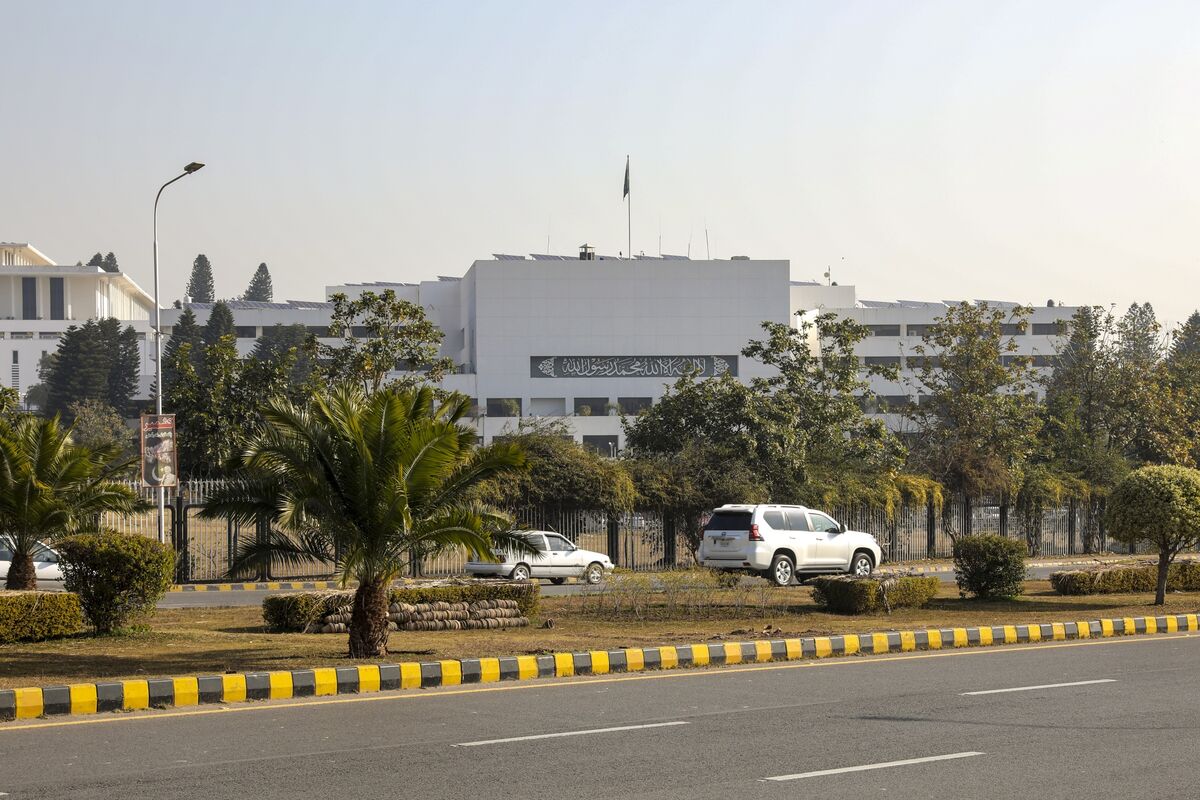
This coalition emerged not as a monolith, but as a critical mechanism for limiting escalation. Through the Islamabad Memorandum and subsequent rounds in Cairo and Lake Lucerne, Pakistan provided the essential channel for communication between Washington and Tehran—a necessity born from the deep mutual distrust between the two adversaries. While the bloc failed to prevent Israeli strikes against Iranian leadership or targets in Lebanon, it consistently reopened negotiating channels that military action threatened to sever permanently.
The durability of this diplomatic check is evidenced by the group’s collective refusal to tie ceasefire agreements to a forced expansion of the Abraham Accords. Despite significant pressure from the Trump administration, Saudi Arabia, Qatar, and Pakistan withheld normalization, prioritizing a regional status quo over Israel’s desired diplomatic prize. This refusal signals a departure from the era in which Gulf and South Asian states functioned as passive recipients of Western geopolitical initiatives.
However, the bloc’s influence remains constrained by the fragmented nature of its members' interests. The UAE’s preference for a more hawkish, decisive approach highlights internal divisions, while Riyadh’s passive stance during Iranian retaliatory strikes suggests an unpredictable calculus. Moving forward, the most reliable indicator of this coalition’s strength will be the continued resistance of Saudi Arabia, Qatar, and Pakistan toward normalization absent a viable Palestinian statehood track. For policymakers, this bloc is no longer a peripheral actor but a structural feature of the regional order, serving as a primary indicator for future energy flows and stability.



Comments (0)
No comments yet. Be the first!