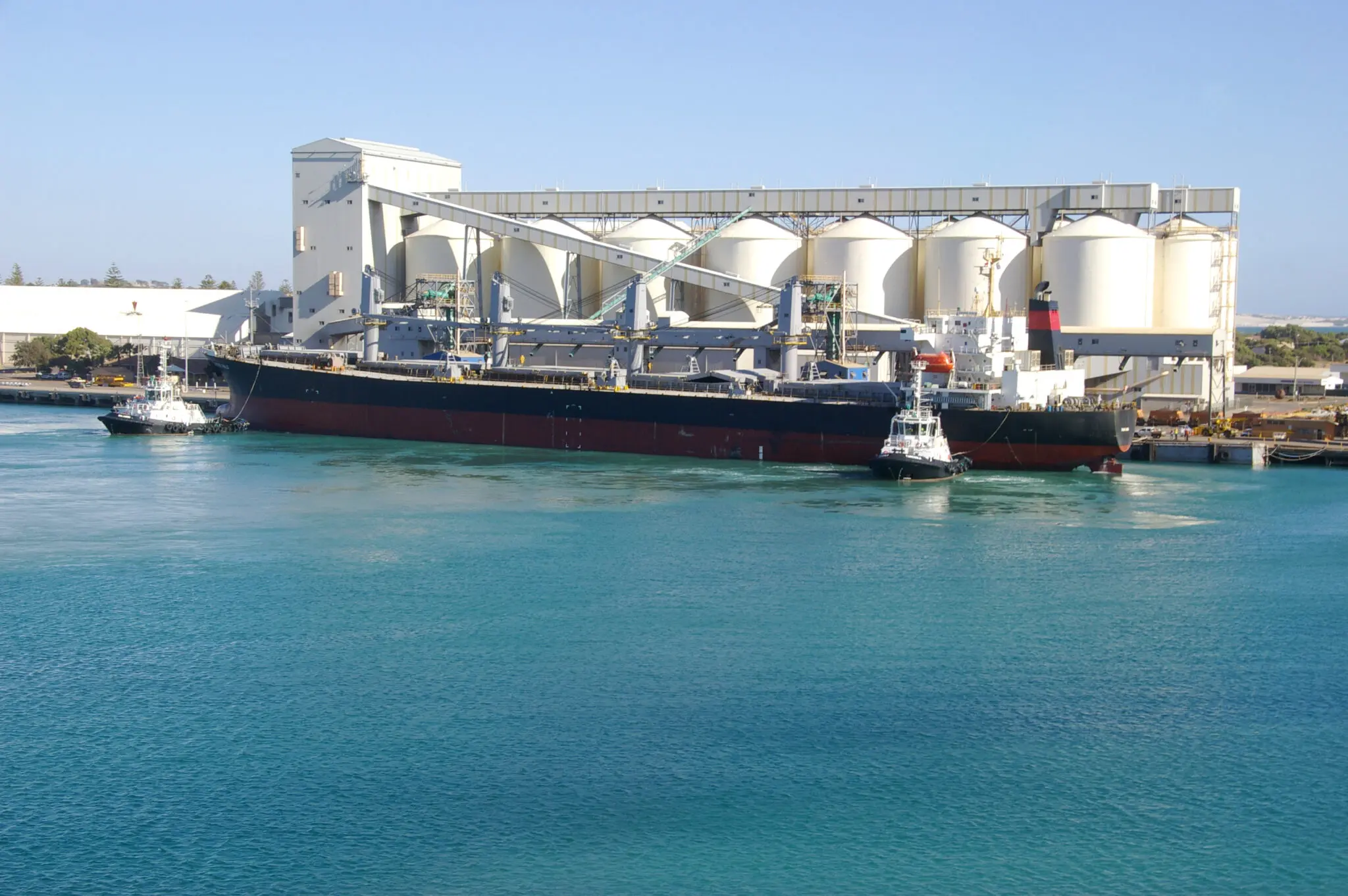
Russian authorities have refrained from issuing formal documentation, opting instead for verbal instructions to limit vessel movement. These curbs follow a July 10 attack on 13 Russian vessels, including 10 tankers, which prompted an immediate, if quiet, tightening of maritime security. The Sea of Azov currently accounts for roughly one-quarter of Russia’s total grain exports, serving as a vital logistical link for production hubs in Rostov and Krasnodar.
Despite the operational gridlock, significant disruptions to the grain trade have yet to materialize. Agricultural consultancy SovEcon projects Russian grain exports for July at 2.3 million metric tons, a seasonal dip from June's 2.7 million tons as the industry navigates the gap between harvest cycles. Sources indicate that the Russian Security Council, led by President Vladimir Putin, is expected to address the maritime situation this week. Whether these restrictions evolve into official policy or remain a temporary security posture will dictate the stability of international food pricing in the coming month.


Comments (0)
No comments yet. Be the first!