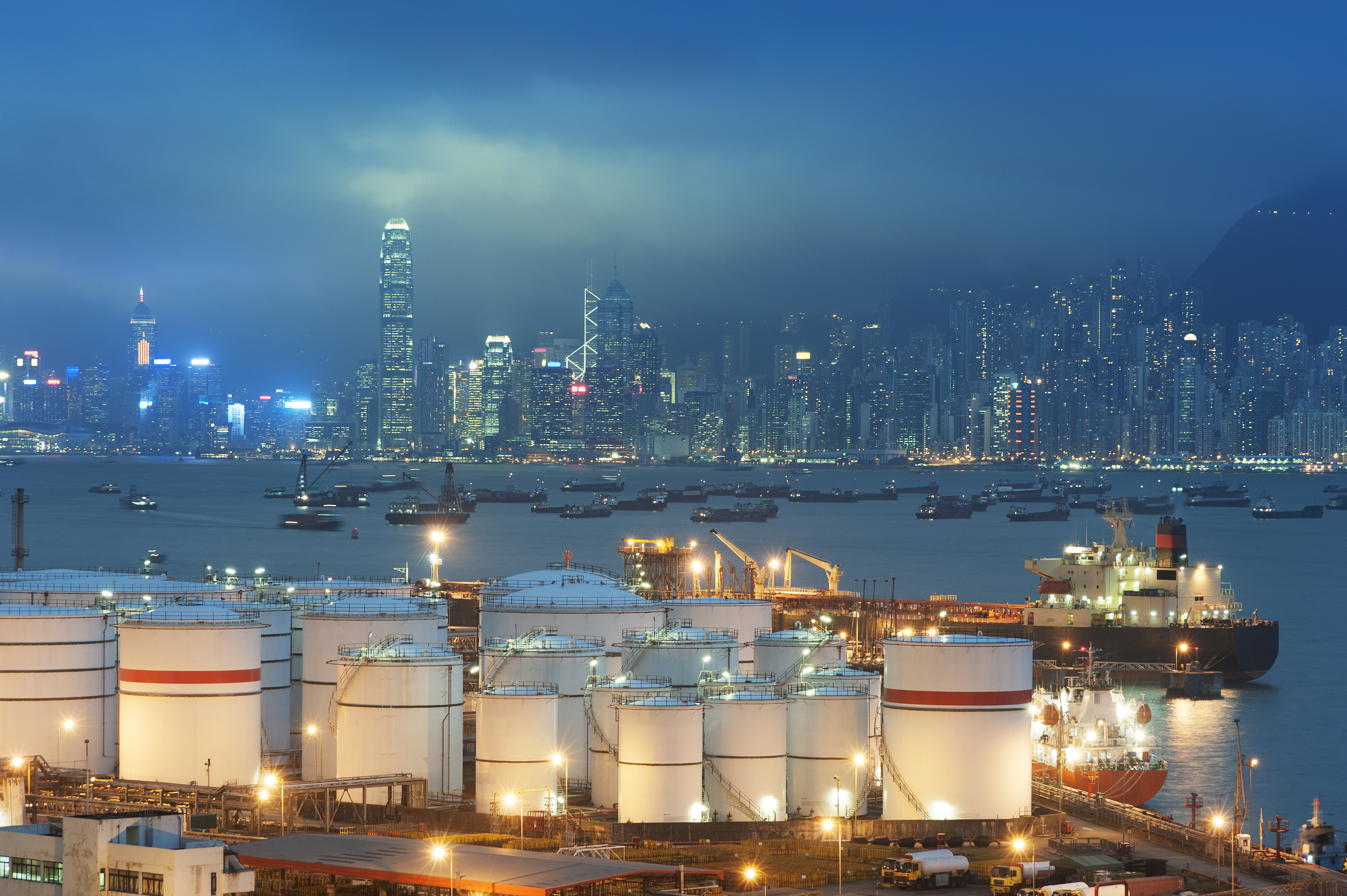
The Revolutionary Guards confirmed targeting radar installations, fuel depots, and ammunition stores, framing the offensive as retaliation for American strikes on Iranian soil. In response, U.S. Central Command reported hitting 140 targets on Saturday alone, focusing on air defense systems and naval assets. President Donald Trump dismissed the existing ceasefire as effectively void, telling reporters that the U.S. is aggressively countering Iranian capabilities.
This geographic expansion has paralyzed a significant portion of maritime trade. While U.S. officials maintain that roughly 20 vessels were escorted through the Strait of Hormuz in the last 24 hours, commercial shipping data reveals that traffic remains well below historical norms. Tehran has exacerbated market jitters by proposing a new permit and fee system for vessels passing through the waterway, a move Washington continues to reject as a violation of free navigation.
Energy markets reacted sharply to the sustained volatility, with Brent crude climbing more than 3 percent on Monday. The prospect of prolonged instability in the world’s most critical energy corridor is already stoking fears of global inflation and rising fuel costs. With Mohammad Baqer Qalibaf declaring the era of one-sided deals finished, both sides appear locked in a cycle of escalation that leaves little space for renewed diplomatic mediation.


Comments (0)
No comments yet. Be the first!