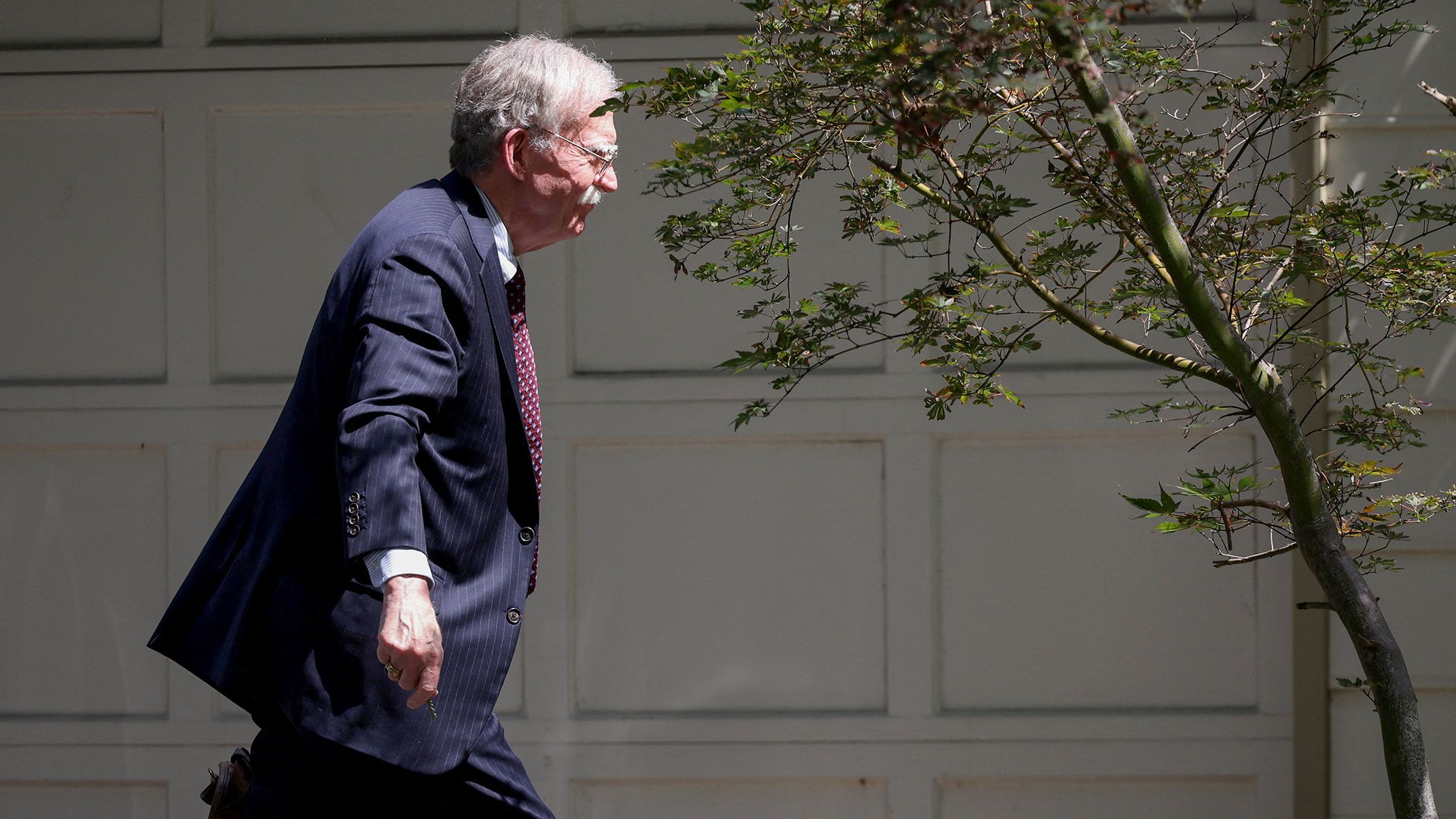
Bolton contends that US-Israeli strikes have effectively decapitated Iran’s leadership, creating a dangerous power vacuum. Two distinct factions now vie for control: a civilian group ostensibly open to negotiation and the Revolutionary Guard Corps. Because the latter maintains operational authority over the naval assets and drones that threaten the Strait of Hormuz, Western diplomats have been left negotiating with figures who lack the power to secure the waterway.
This structural disarray has transformed a regional standoff into a looming global trade emergency. With ship-tracking data showing a drastic decline in transit through the Strait of Hormuz, the threat to international shipping routes from the Malacca Strait to the Bosporus has intensified. Bolton argues that Tehran’s hardliners are currently calculating that the upcoming US midterm elections will force the Trump administration to avoid further military escalation to keep gasoline prices stable.
Despite the optics of state-managed funeral processions for the late Supreme Leader, Bolton maintains that the Iranian regime is buckling under the weight of severe water shortages, economic collapse, and persistent youth unrest. He suggests that the window to stabilize oil production and de-escalate tensions was missed weeks ago due to a lack of coherent strategy in Washington. As the Revolutionary Guard tests its leverage, the region remains trapped in a volatile cycle where a single provocation could trigger a wider conflict, with no clear endgame in view.

Comments (0)
No comments yet. Be the first!