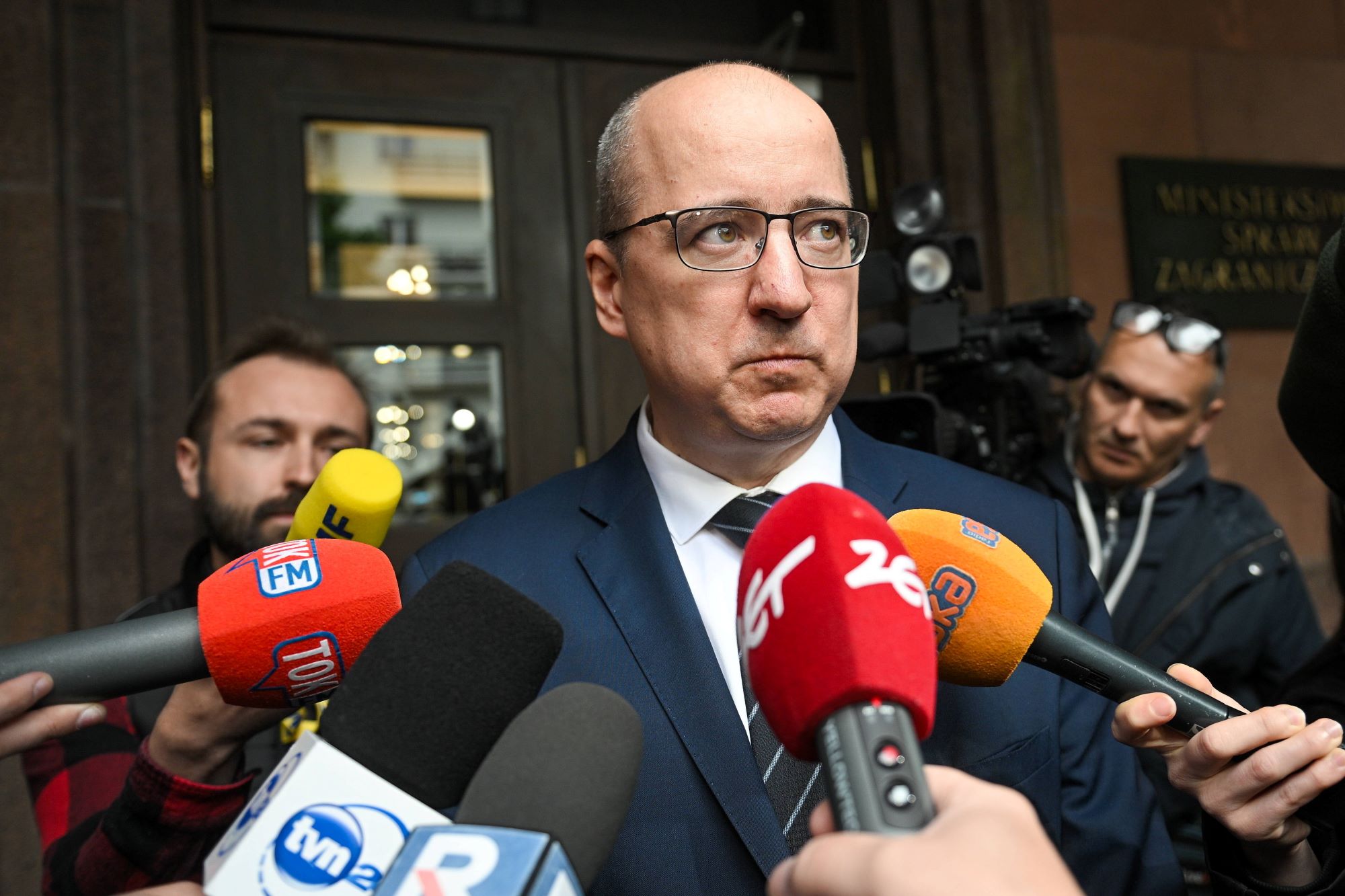
The diplomatic relationship between Moscow and Accra has gained momentum, with bilateral trade climbing from $247 million in 2022 to over $800 million by the end of 2024. Ambassador Ordash views this growth as a turning point, signaling a shift toward large-scale industrial projects. Central to this strategy is the 2015 memorandum between the Ghana Atomic Energy Commission and Rosatom, which remains a cornerstone for proposed nuclear infrastructure. Beyond energy, Russia is increasing its focus on human capital, currently supporting over 600 Ghanaian students and expanding Russian-language programs at local institutions.
Despite the friction caused by Western sanctions, which Ordash describes as a hurdle to direct commerce, both nations are exploring alternative financial mechanisms to maintain trade flows. The upcoming Moscow summit is expected to formalize this trajectory through a new joint action plan for 2027–2029. With Ghana now ranking eighth in GDP among African nations, the Kremlin aims to position itself as a primary partner for the country’s '24-hour economy' initiative, focusing on localized production and the modernization of infrastructure.

Comments (0)
No comments yet. Be the first!