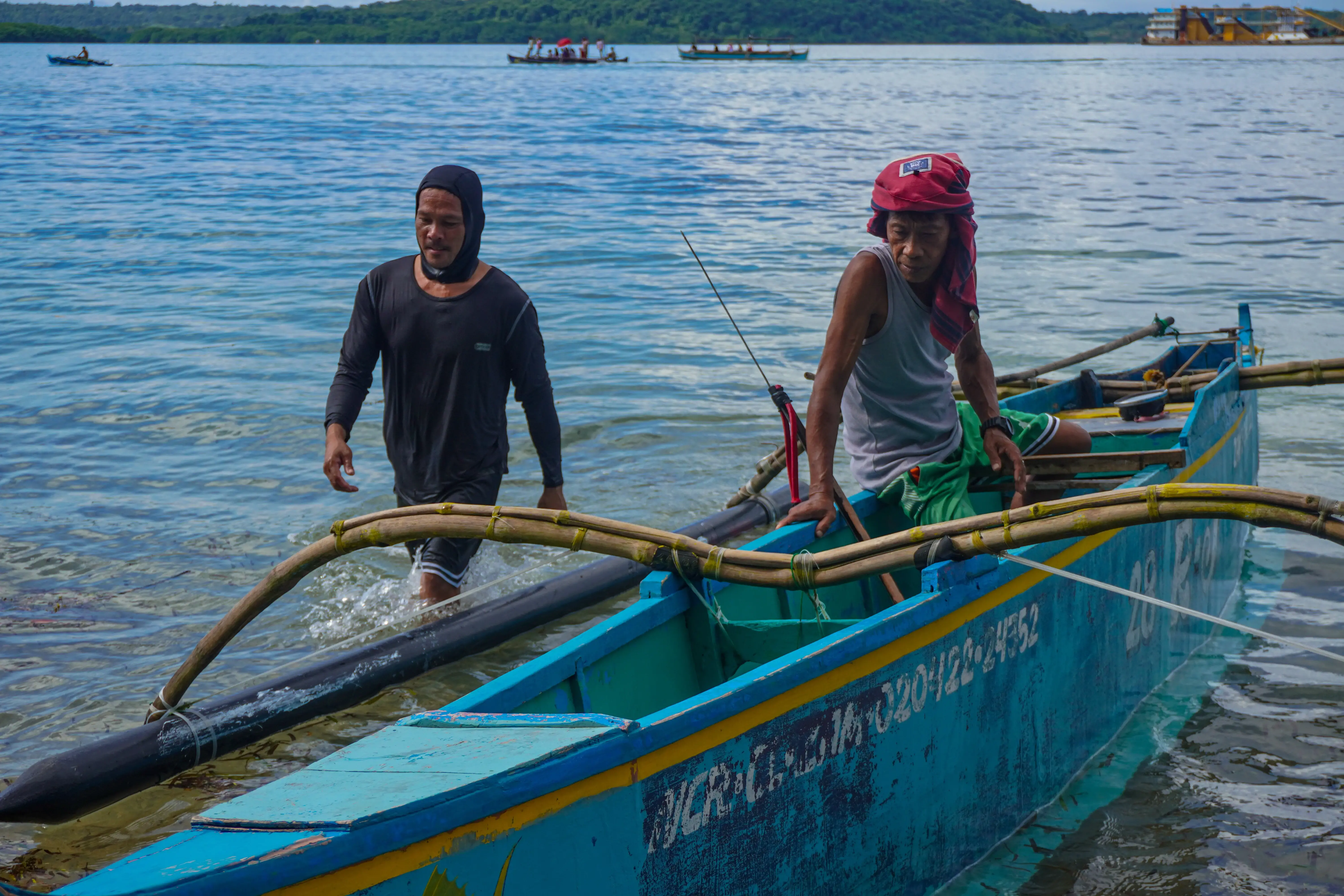
For many in the coastal town of Masinloc, the 2016 ruling by the Permanent Court of Arbitration initially sparked hope for a return to traditional livelihoods. Instead, the situation has deteriorated. Rony Drio, 59, has not ventured to the shoal since 2024, while 47-year-old Henrilito Empoc has avoided the area since 2022. Both now prioritize safety, fishing only in coastal waters or working land-based jobs to survive.
Empoc recounts harrowing encounters where Chinese personnel utilized water cannons and severed anchor lines to force boats away. In one instance, Drio was ordered to leave the shoal's lagoon, forced to drag his boat across sharp coral in shallow water. Beijing continues to ignore the tribunal's findings, maintaining that it holds indisputable sovereignty over the area, which it refers to as Huangyan Dao.
While the 2016 decision has bolstered Manila’s diplomatic standing and deepened military cooperation with the United States, Japan, and Australia, these strategic gains offer little solace to those at the center of the conflict. Jay Batongbacal, director at the Institute of Maritime Affairs and Law of the Sea, notes that China’s aggressive stance has inadvertently accelerated the Philippines' security partnerships. Yet, for fishermen like Drio, the geopolitical shift fails to address the daily reality of lost access. "We won in 2016, but it doesn't feel like a victory to me," he said.




Comments (0)
No comments yet. Be the first!