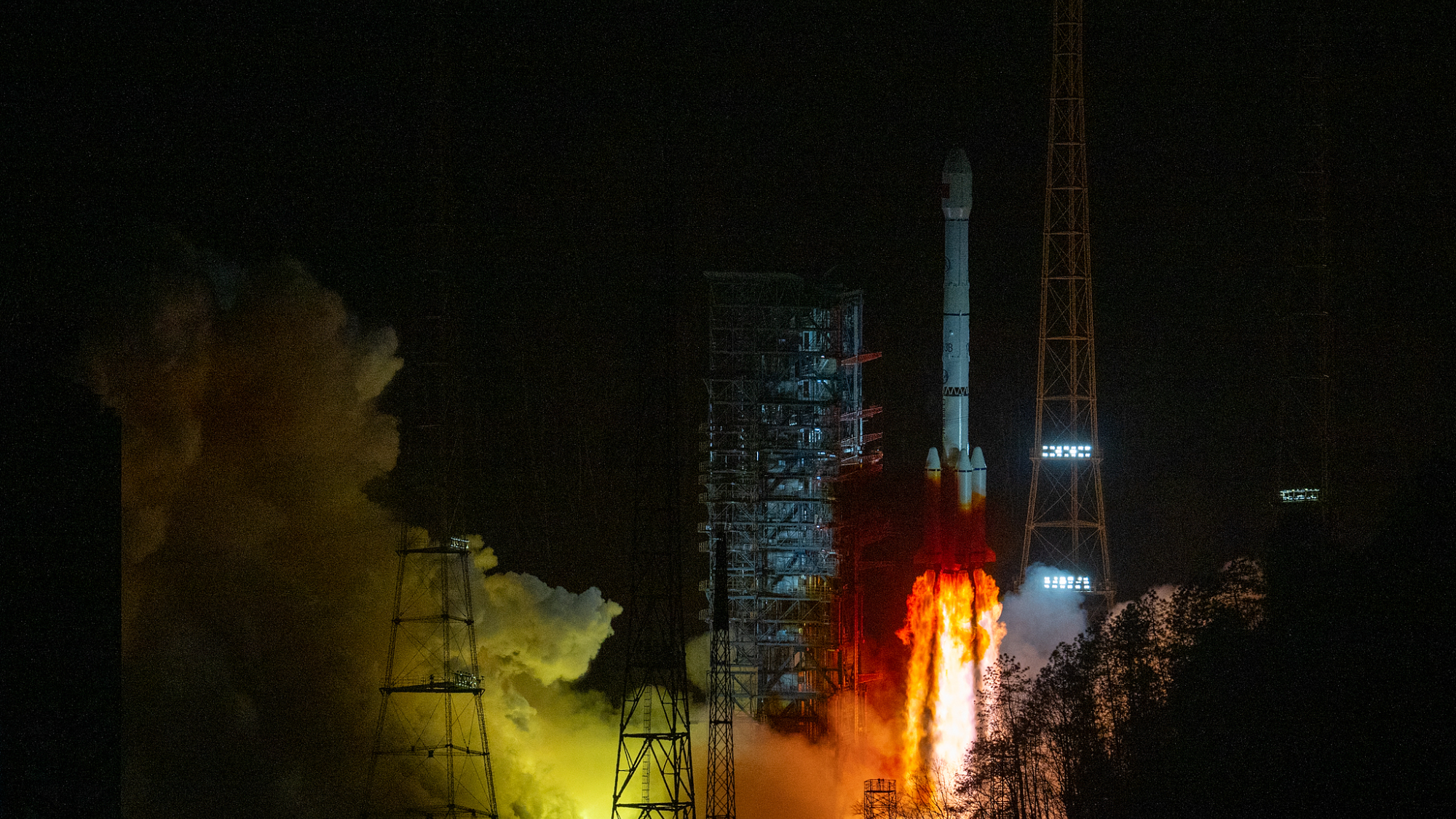
This recovery method distinguishes China’s approach from the leg-based vertical landings pioneered by SpaceX. By utilizing a net-capture system, engineers aim to bypass the weight and mechanical complexity of traditional landing struts. State broadcaster CCTV confirmed the booster will be refurbished for a subsequent flight before the end of the year, underscoring Beijing's intent to rapidly normalize reusable operations for its commercial satellite networks and lunar ambitions.
While this success narrows the technical gap with U.S. counterparts, the program remains in a developmental phase compared to the Falcon 9, which has averaged 150 annual missions since its first successful landing in 2015. The achievement nonetheless triggered immediate market movement, with shares of China Spacesat and China Satellite Communications hitting daily trading limits. Beyond state-led efforts, private entities like LandSpace continue to refine their own recovery architectures, buoyed by government-backed incentives designed to accelerate the nation's broader space exploration timeline, which includes a crewed moon landing before 2030.



Comments (0)
No comments yet. Be the first!