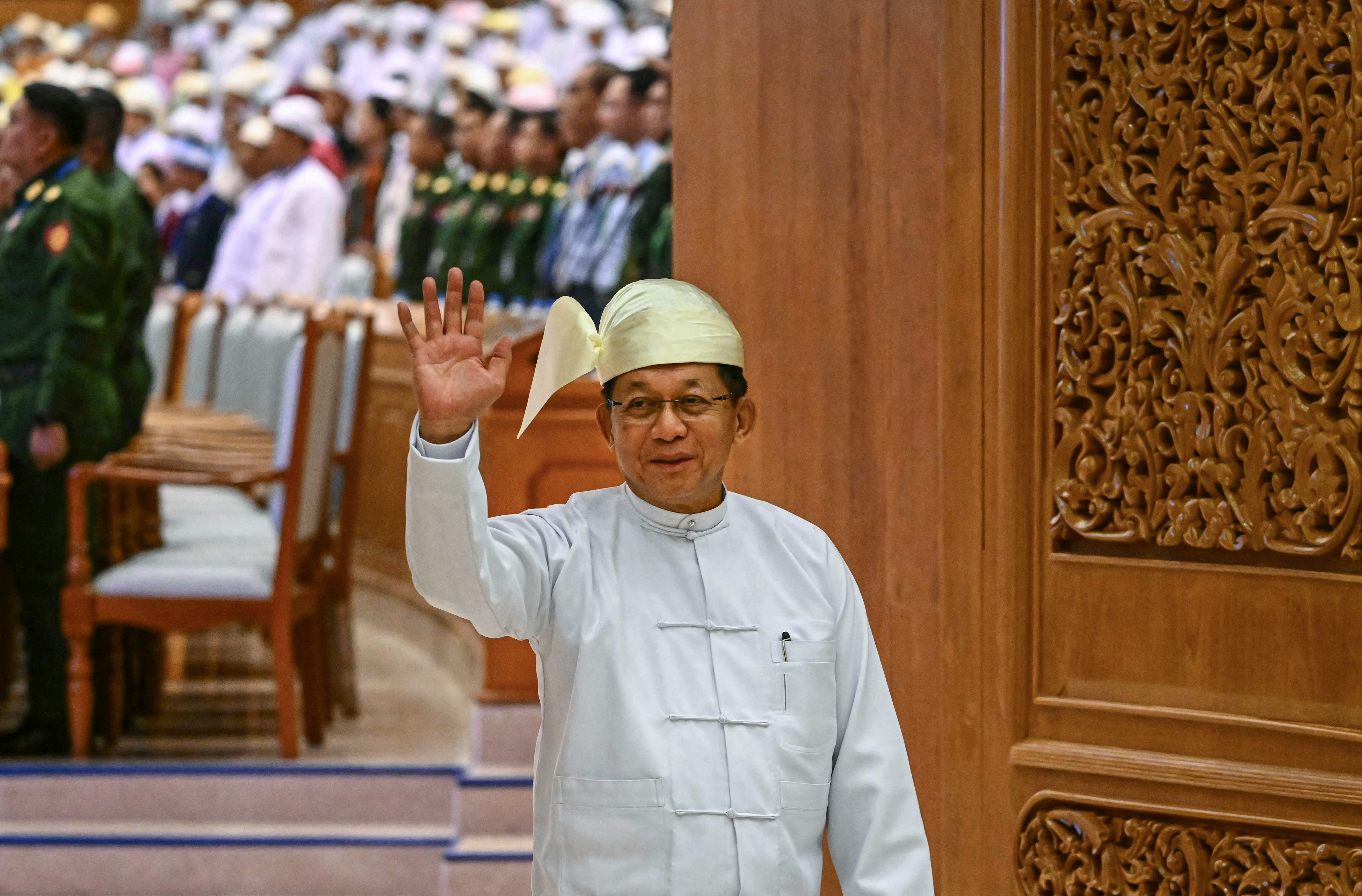
The diplomatic shuffle began in New Delhi between May 30 and June 3, marking the president’s first foreign trip since the 2026 transition. Shortly after, a visit to Beijing yielded 18 memorandums, most notably the revival of the Myitsone Dam project, a cornerstone of China’s economic corridor. Analysts view this sequence not as a pivot, but as a classic exercise in small-state survival, where Myanmar uses one relationship to improve its bargaining power with the other.
Myanmar serves as a critical land bridge connecting India’s northeastern states to China’s southern provinces. For India, the stakes involve the vulnerable 22-km Siliguri Corridor and the long-delayed Kaladan Multi-Modal Transit Transport project. Conversely, China has deeply institutionalized its influence through $2.5 billion in pipeline investments and by acting as a mediator for groups like the United Wa State Army. While India focuses on infrastructure connectivity, Beijing’s strategy relies on building relationships with local stakeholders, a move that has proven more resilient against the country’s ongoing instability.
Despite the high-level meetings, the reality on the ground remains volatile. Insurgencies continue to threaten infrastructure, and India’s recent establishment of an army base in Mizoram signals a deepening security concern. With nearly 79,000 refugees currently sheltered in India and regional peace plans stalling, the governance vacuum in Naypyidaw presents a shared burden. Stability in this 2,000-km buffer zone now depends on whether New Delhi and Beijing can move beyond competitive posturing toward a coordinated approach on ceasefire monitoring and humanitarian management.


Comments (0)
No comments yet. Be the first!