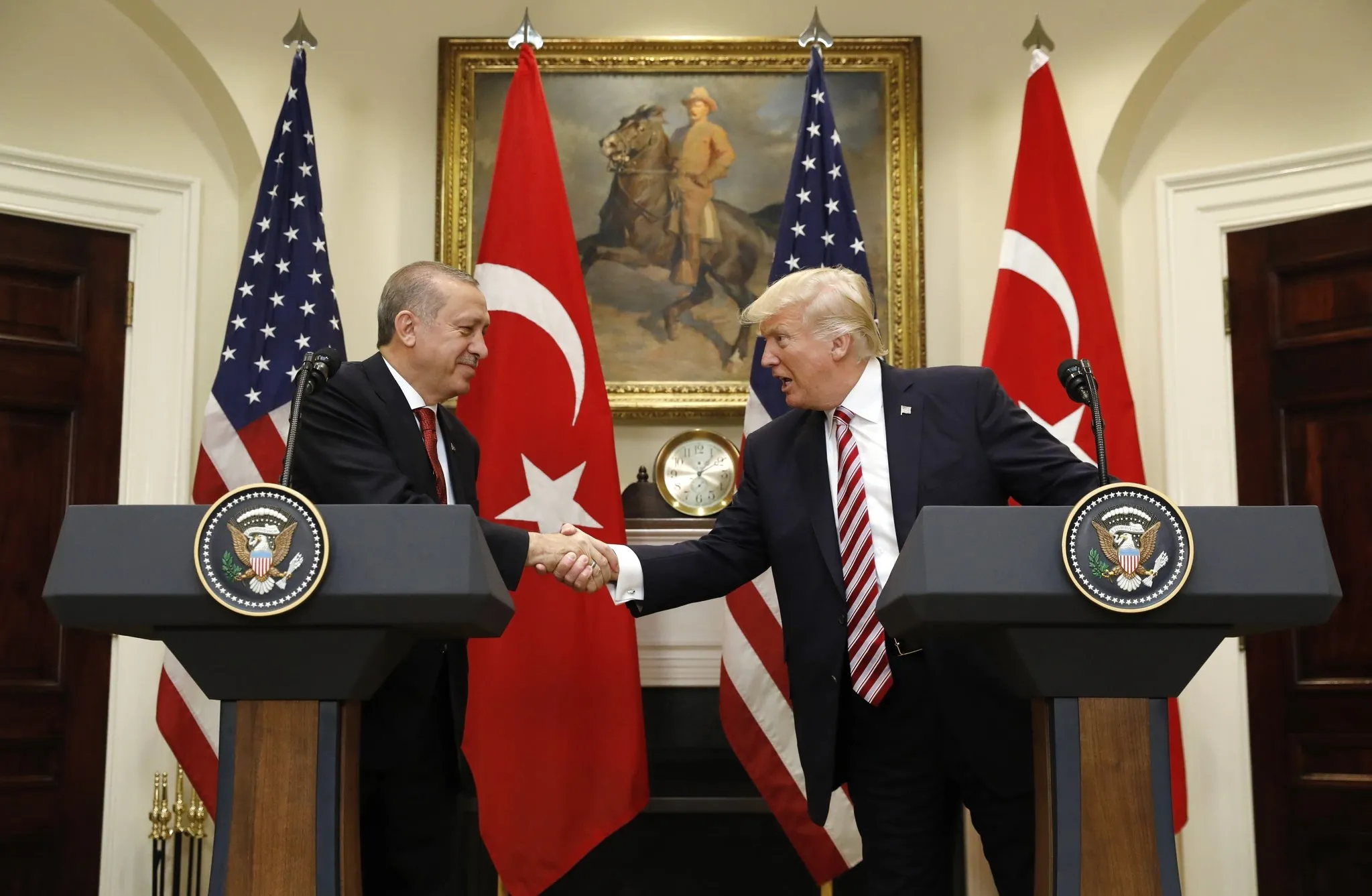
For decades, NATO functioned as a mechanism for maintaining regional security, famously invoking its mutual-defense clause only after the September 11 attacks. This history of military cooperation often masked a lack of shared values. While the alliance claimed to champion human dignity, its history shows a pattern of selective enforcement, evidenced by the 1999 intervention in Yugoslavia occurring simultaneously with the arming of Turkish operations against the Kurds. The order did not collapse because of Trump; it faltered because it was never built to sustain the moral weight it claimed to carry.
Trump’s approach, characterized by a transactional view of international relations, is not a departure from tradition but a stripping away of the diplomatic veneer used by his predecessors. By treating allies as potential real estate and security as a commodity, he mirrors the cold realism of 19th-century statecraft. The presence of Recep Tayyip Erdogan at the center of this summit, despite his domestic crackdowns and geopolitical maneuvering with Moscow, confirms that the alliance prioritizes utility over democratic consistency.
To move forward, the alliance must evolve from an American-led instrument into a genuine coalition of liberal democracies. This requires the United States to transition from an owner to a shareholder, accepting the role of first among equals. A reformed NATO would codify limits on sovereignty to prevent humanitarian disasters, establish humane migration regimes, and set shared standards for emerging technologies like artificial intelligence. True strength for the United States lies not in demanding obedience from subordinates, but in building a structure where partners act out of shared conviction. The future of the alliance depends on shifting the focus from whom a nation serves to what it seeks to build.



Comments (0)
No comments yet. Be the first!