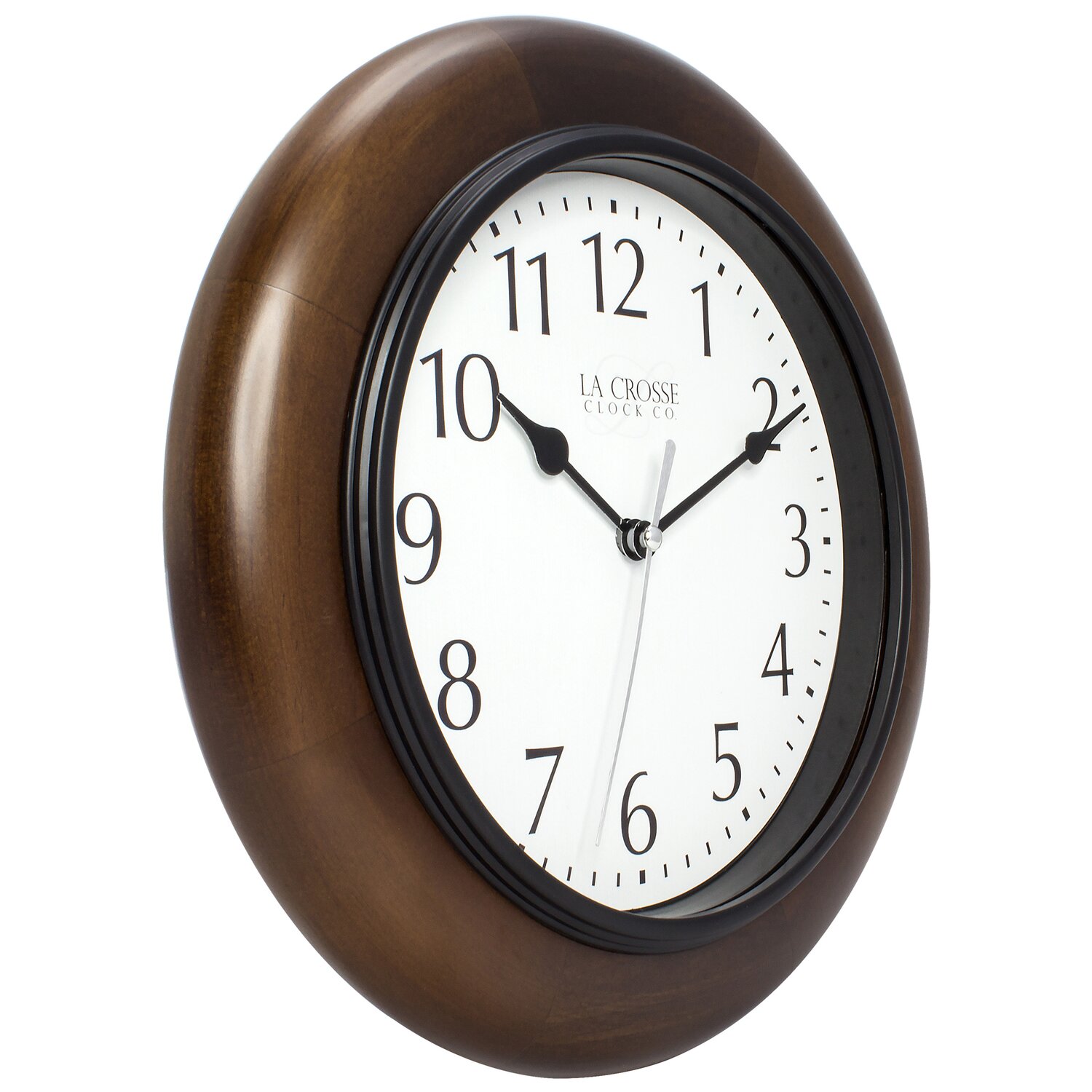
The House Energy and Commerce Committee signaled strong bipartisan support in May, clearing the bill with a lopsided 48-1 vote. This momentum contrasts sharply with the legislative paralysis that followed the Senate’s unanimous approval of the same proposal in March 2022. While the upper chamber signaled clear intent to end the biannual clock shifts, the bill previously died in the House due to lack of leadership support.
Should the legislation pass, it would effectively lock the clocks for most of the country, though it includes a specific provision allowing individual states to opt out of the change. By shifting the focus to state-level flexibility, proponents hope to overcome the previous gridlock that stalled the measure for over two years.




Comments (0)
No comments yet. Be the first!