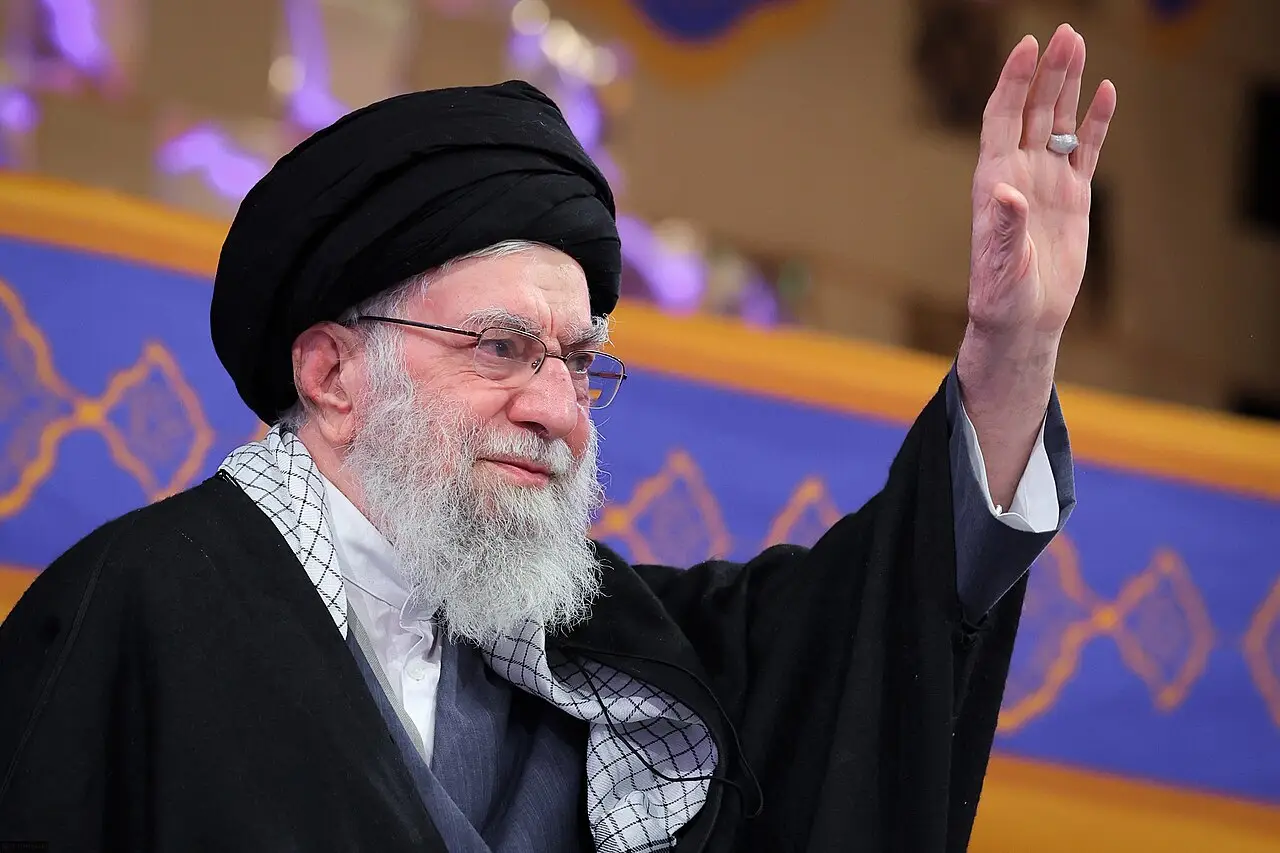
The strikes targeted Patriot missile systems in Kuwait, an early-warning site in Qatar, and a U.S. Army fuel depot in Bahrain, according to Iranian state media. Kuwaiti officials confirmed the interception of a cruise missile, three ballistic missiles, and ten drones. Simultaneously, sirens echoed across Jordan as Iranian projectiles targeted the Azraq military base, a critical hub for U.S. operations in the region. This aggressive posture comes as Iran concluded a week of national mourning for Supreme Leader Ayatollah Ali Khamenei, who was killed in a joint U.S.-Israeli strike on February 28.
While Tehran claims its actions are a necessary defense against U.S. intervention in the Strait of Hormuz, Washington maintains that its own recent strikes—targeting roughly 90 Iranian military sites—were a direct response to Iranian attacks on commercial shipping vessels. President Donald Trump, facing political pressure ahead of midterm elections, declared the truce over earlier this week. Amidst the chaos, Iranian officials reported 14 deaths and 78 injuries from U.S. fire, including a projectile landing near the perimeter of the Russian-built nuclear plant in Bushehr. Regional powers, including Qatar, Turkey, and Oman, have issued urgent calls for a return to diplomacy, yet Iran’s top negotiator, Mohammad Baqer Qalibaf, insists that control of the vital Strait of Hormuz remains non-negotiable.



Comments (0)
No comments yet. Be the first!