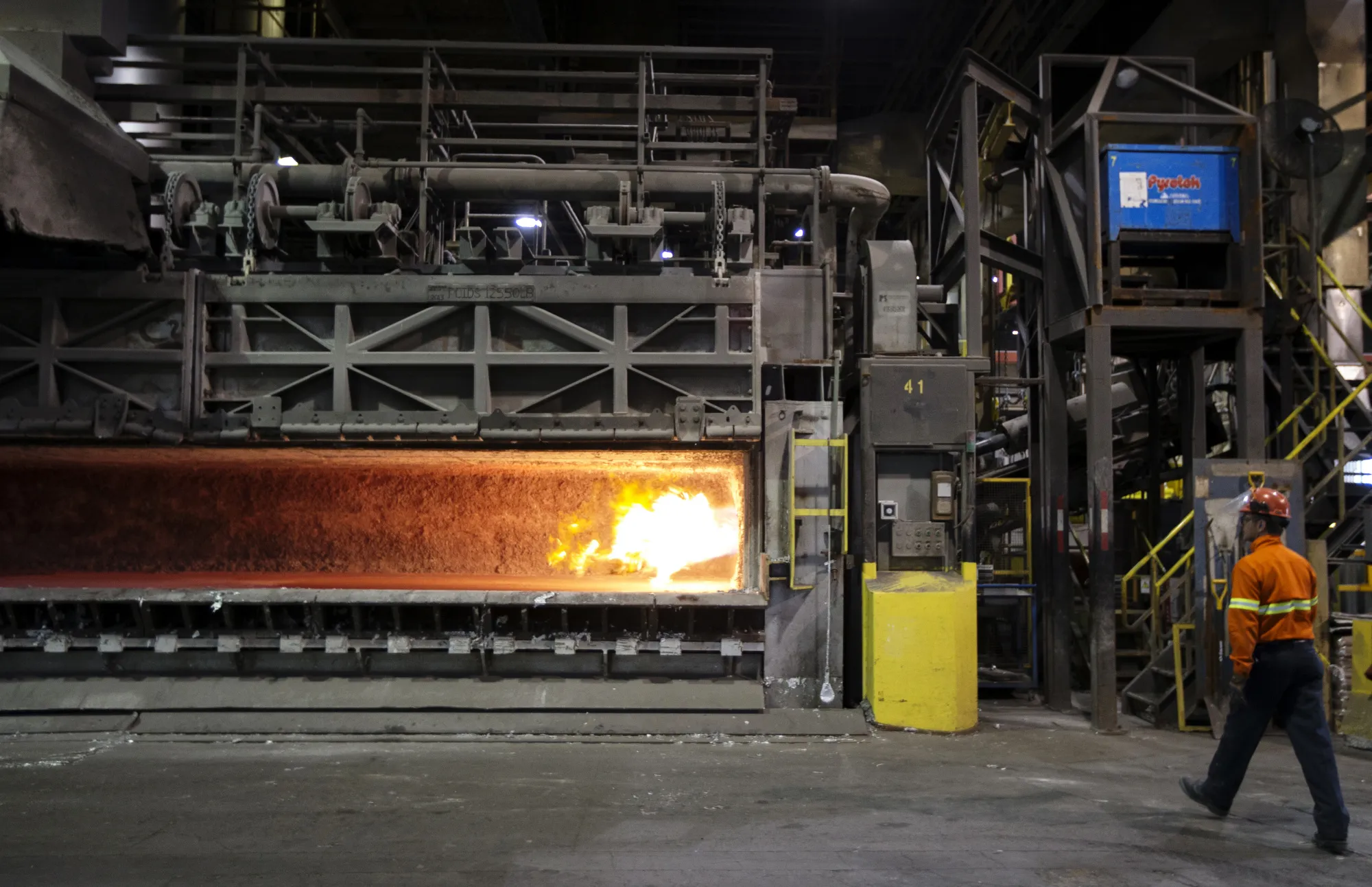
In the United States, the New Madrid smelter is set to reactivate one 75,000-ton-per-year potline by the end of the year. The facility, which closed in early 2024, benefits from a 50% import tariff and a surge in London Metal Exchange (LME) prices, which have climbed to $3,165 per ton. Across the Atlantic, the Slovalco plant in Slovakia is similarly planning a 75,000-ton output boost, contingent on new power agreements and European Commission approval for carbon cost compensation.
These restarts, while modest in global terms, highlight the volatility of a market that has shifted rapidly from oversupply to deficit. With Chinese production constrained by a 45-million-ton capacity cap and global inventories falling below 400,000 tons, the window for these operations remains precariously open. However, the long-term viability of these plants faces significant hurdles, including high energy costs and rigid environmental regulations. Meanwhile, Chinese firms are bypassing these domestic constraints by aggressively expanding smelting capacity in Indonesia, signaling that the current Western supply-side response is only a temporary patch in a deeply strained global industrial landscape.



Comments (0)
No comments yet. Be the first!