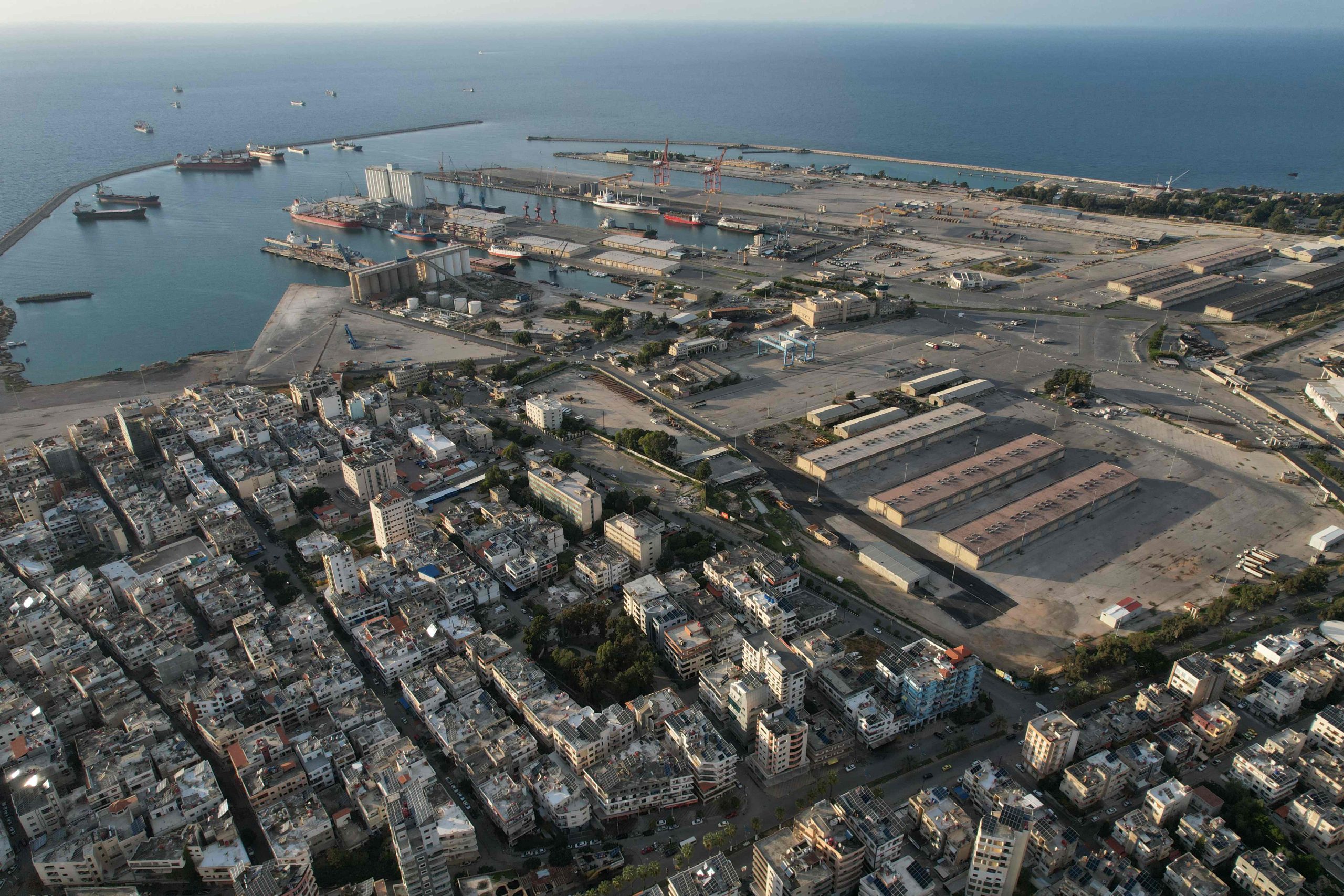
The proposed hub would operate from Pier No. 4 at the Tartous facility, carving out a commercial zone within the existing naval site. According to project organizers, the center will serve as a maritime gateway for goods flowing from Russia's Black Sea port of Novorossiysk, with target markets spanning Iraq, Jordan, and several Gulf states. While Syrian government officials have publicly denied the existence of such an arrangement, internal planning documents and statements from the Russian-Syrian Business Council indicate that the center is already in advanced stages of preparation.
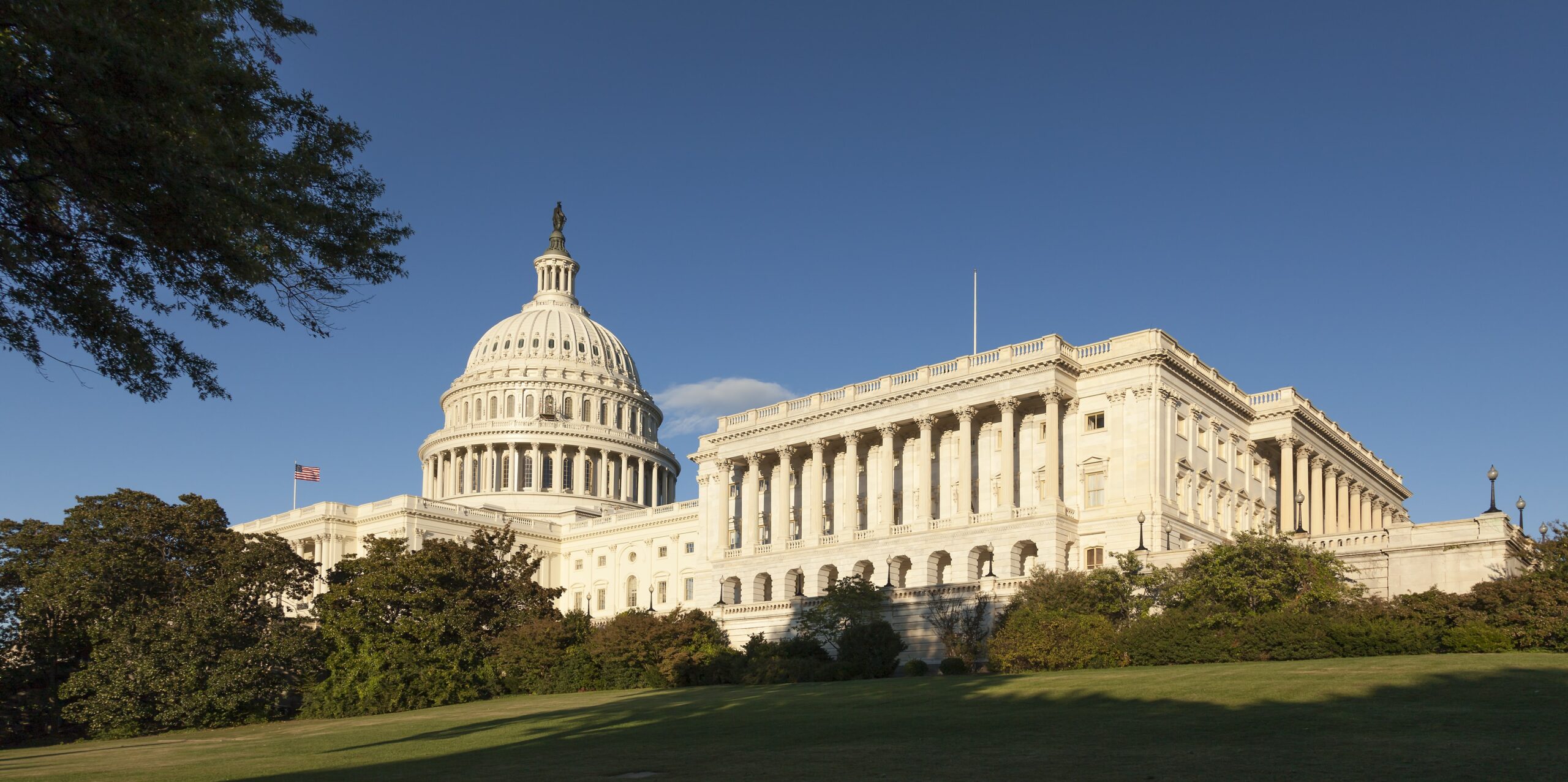
The initiative represents a strategic shift in Moscow's approach to Syria. Following the loss of its long-term ally Bashar al-Assad, Russia is pivoting toward economic integration to maintain a footprint in the country. The project is managed by the Syrian firm Rus Line in coordination with the Russian-Syrian Business Council and has allegedly secured a joint management agreement with the Syrian Sovereign Fund. This economic entrenchment arrives as the United States actively seeks to curb Russian military presence and pressure Damascus to pivot toward Western corporate partners.
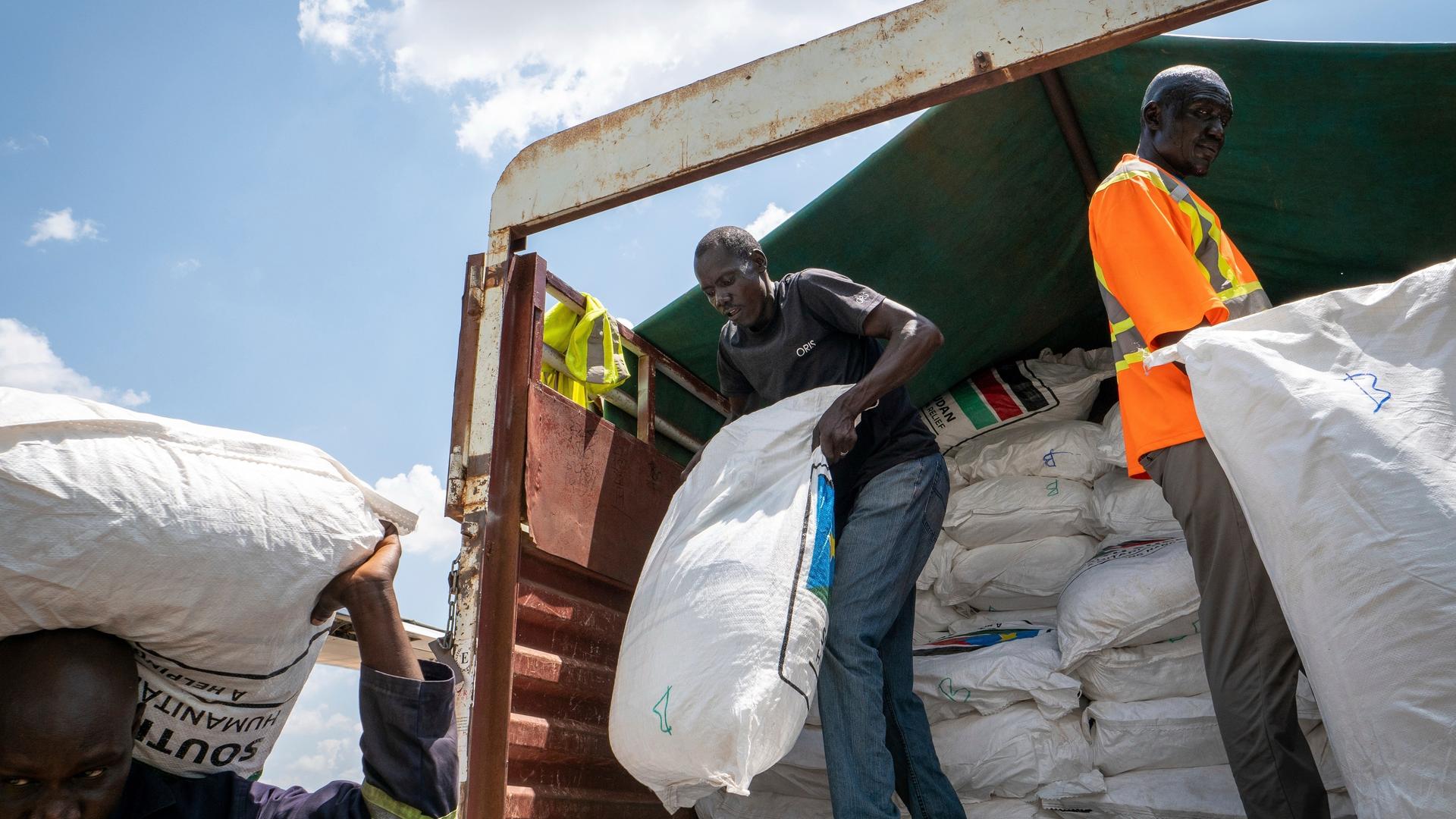
Despite the geopolitical friction, Russia’s reliance on the port remains critical. Current data shows that approximately 85% of Syria's imported wheat originates from Russia or Russian-occupied Crimea, and the country remains heavily dependent on Russian crude oil. By securing a physical logistics presence, Moscow aims to preserve its leverage in Damascus regardless of the outcome of ongoing negotiations regarding the future of its military bases at Tartous and Hmeimim. The U.S. State Department has signaled its opposition to the project, cautioning that such initiatives threaten regional stability and violate existing sanction regimes.


Comments (0)
No comments yet. Be the first!