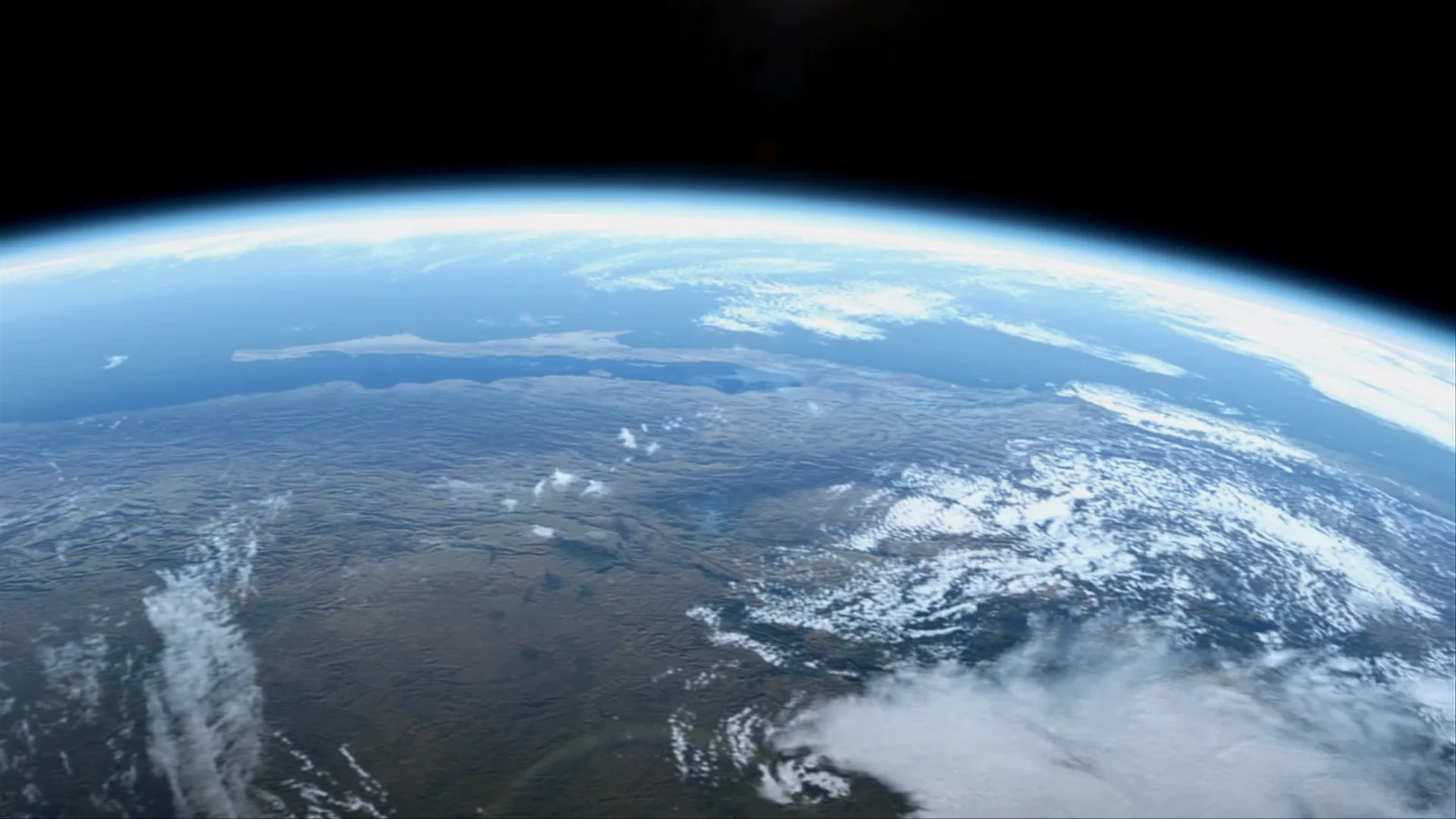
The 3.1 million-mile gap between Earth's closest approach in January and its furthest position in July represents a variance of only about 3%. Because this shift is minimal, distance plays a negligible role in global temperatures. The Northern Hemisphere remains firmly in the grip of summer during aphelion, driven not by proximity to the Sun, but by the Earth’s 23.5-degree axial tilt. This orientation ensures that sunlight strikes the Northern Hemisphere more directly, resulting in longer days and more intense heat compared to the winter months.
While the difference in distance is physically measurable, it remains invisible to the casual observer. The Sun appears roughly 3.5% smaller in the sky at aphelion, a change impossible to detect with the naked eye. Furthermore, sunlight intensity drops by approximately 7% at this distance, yet this decline is easily eclipsed by the thermal impact of the planet's tilt. NASA data confirms that the northern summer lasts two to three days longer than its southern counterpart, providing additional time for the Sun to warm northern landmasses despite the increased distance.




Comments (0)
No comments yet. Be the first!