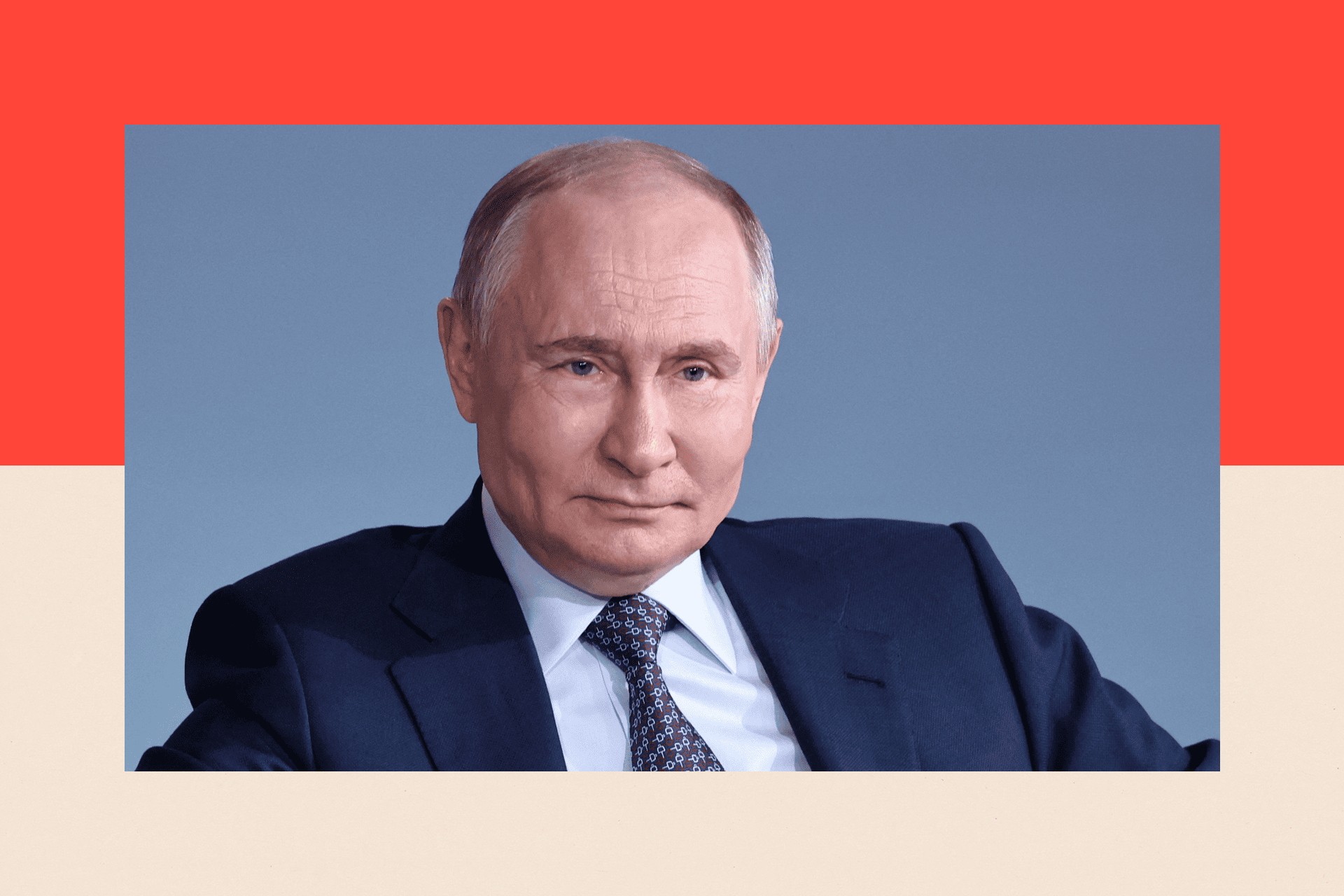
The Japanese government’s promise of additional sanctions against Moscow stands in stark contrast to its private commitments to Washington. Ten months ago, Prime Minister Sanae Takaichi admitted to the U.S. that a full ban on Russian LNG was impractical, a reality reinforced by the ongoing closure of the Strait of Hormuz. With approximately 90% of Japan’s crude oil and 11% of its LNG typically transiting the Gulf, the loss of this artery has turned the Sakhalin-2 project into a critical pillar of Japan’s winter power grid.
Washington recently extended the sanctions waiver for Sakhalin-2 through December 18, 2026, explicitly citing global supply constraints. This exemption allows Japanese firms to continue financing and receiving gas despite the geopolitical friction. While Tokyo may pursue symbolic measures, such as travel bans or individual asset freezes, any move to fundamentally disrupt the energy flow would risk the very price spikes and potential blackouts that officials have sought to avoid. Moscow’s recent public assertion of control over the Kuril Islands effectively highlights this vulnerability: Putin is demonstrating that Russia’s Pacific energy leverage remains intact, regardless of Tokyo’s diplomatic protests.


Comments (0)
No comments yet. Be the first!