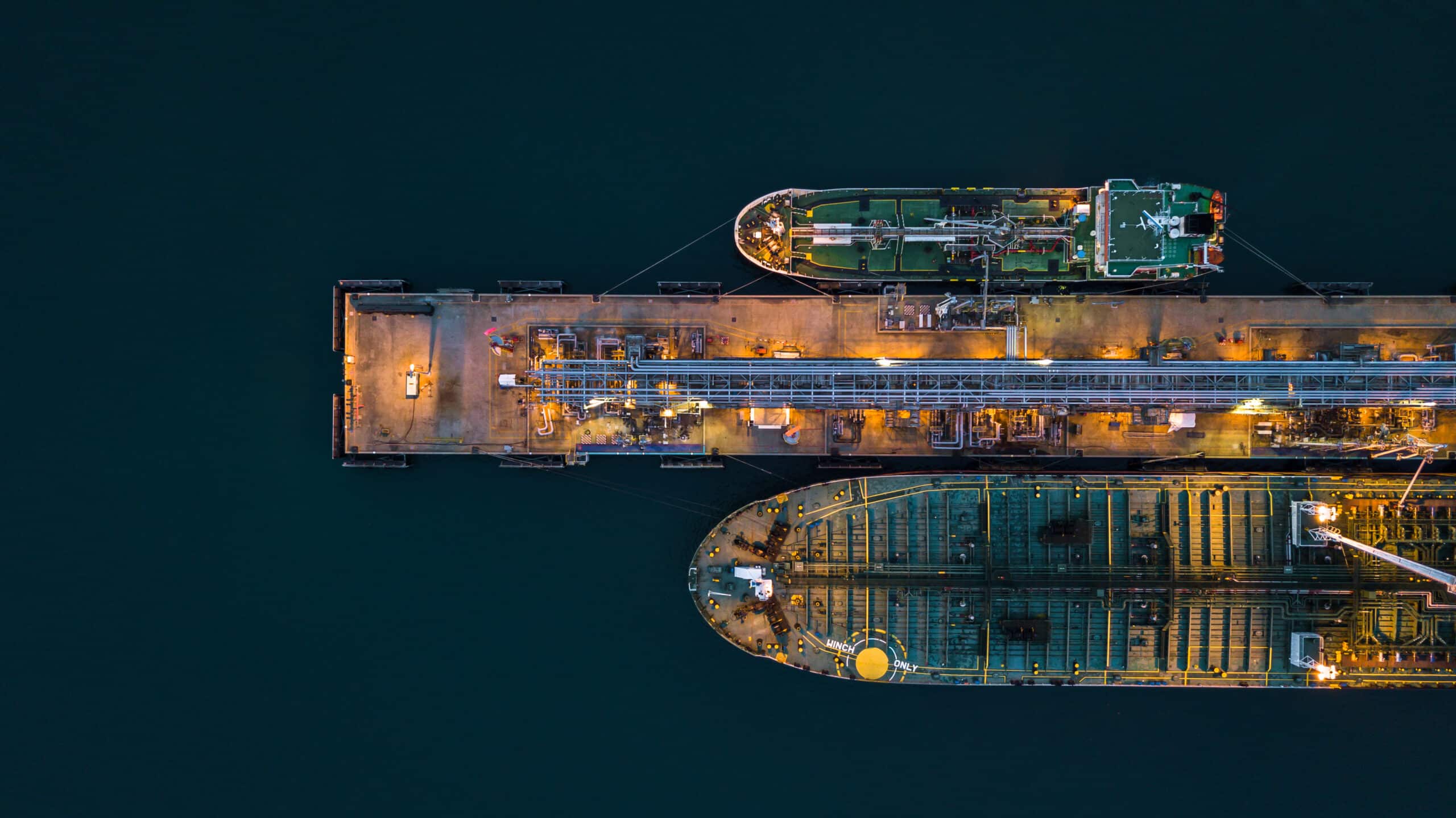
The talks in Doha follow a 14-point interim agreement that established a 60-day window to formalize a settlement. While a cessation of large-scale fighting holds, the primary friction point remains the maritime authority over the Strait of Hormuz. Washington demands ironclad guarantees for unhindered international passage, whereas Tehran asserts its right to manage vessel traffic and oversight within the waterway. This fundamental disagreement has already sparked localized skirmishes, threatening the stability of the temporary truce.
Simultaneously, Iranian negotiators are pushing for the release of approximately $6 billion in frozen funds. Tehran views this financial recovery as a non-negotiable component of any long-term stability package. The diplomatic effort, facilitated by Qatar and Pakistan, is further complicated by its proximity to separate negotiations between Israel and Lebanon, highlighting a broader regional push to de-escalate multiple fronts.
Energy markets are reacting with cautious volatility to the uneven recovery of shipping through the Strait. Although commercial traffic has resumed in a limited capacity, analysts warn that navigational uncertainty persists. The success of these technical discussions will dictate whether the current calm matures into a durable regional framework or reverts to renewed military posturing. Progress in Doha now serves as the primary indicator for whether the parties can move toward more complex political and nuclear discussions, or if the process will stall over conflicting interpretations of maritime sovereignty.


Comments (0)
No comments yet. Be the first!