The diplomatic impasse followed recent hostilities, signaling that any immediate resolution remains unlikely. This geopolitical friction has sent ripple effects through global energy markets, as traders struggle to price in the duration and intensity of the instability.
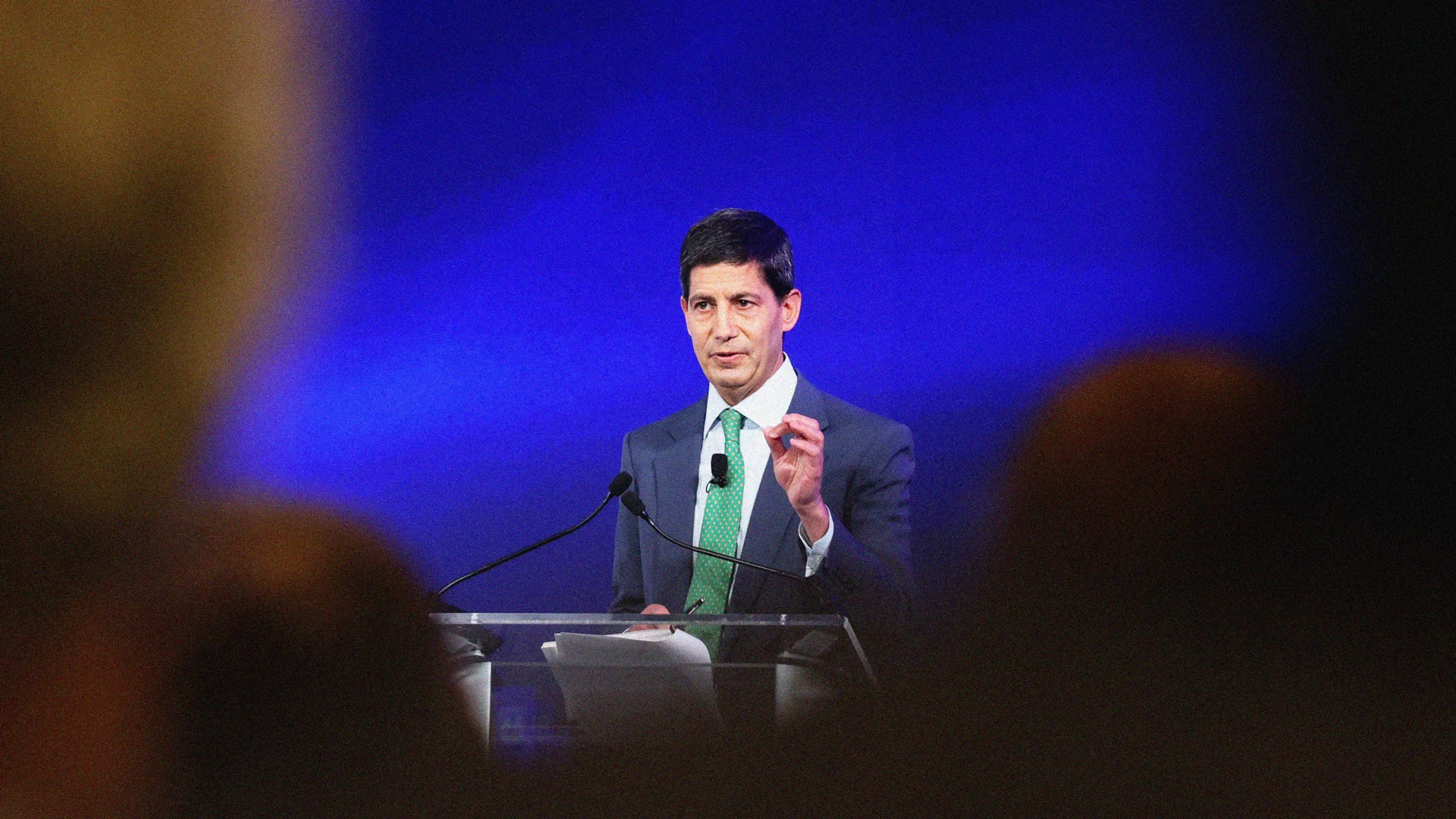
Compounding the uncertainty, U.S. job openings reached a two-year high in May, a figure that reinforces labor market strength but shifts the burden of proof onto the Federal Reserve. With inflation control back at the forefront of the policy conversation, market sentiment has pivoted toward the expectation of at least one rate hike before the year concludes. Attention now turns to Chair Kevin Warsh, whose upcoming remarks at an international forum are expected to clarify whether these economic indicators will trigger a shift in the central bank’s approach to monetary policy.



Comments (0)
No comments yet. Be the first!