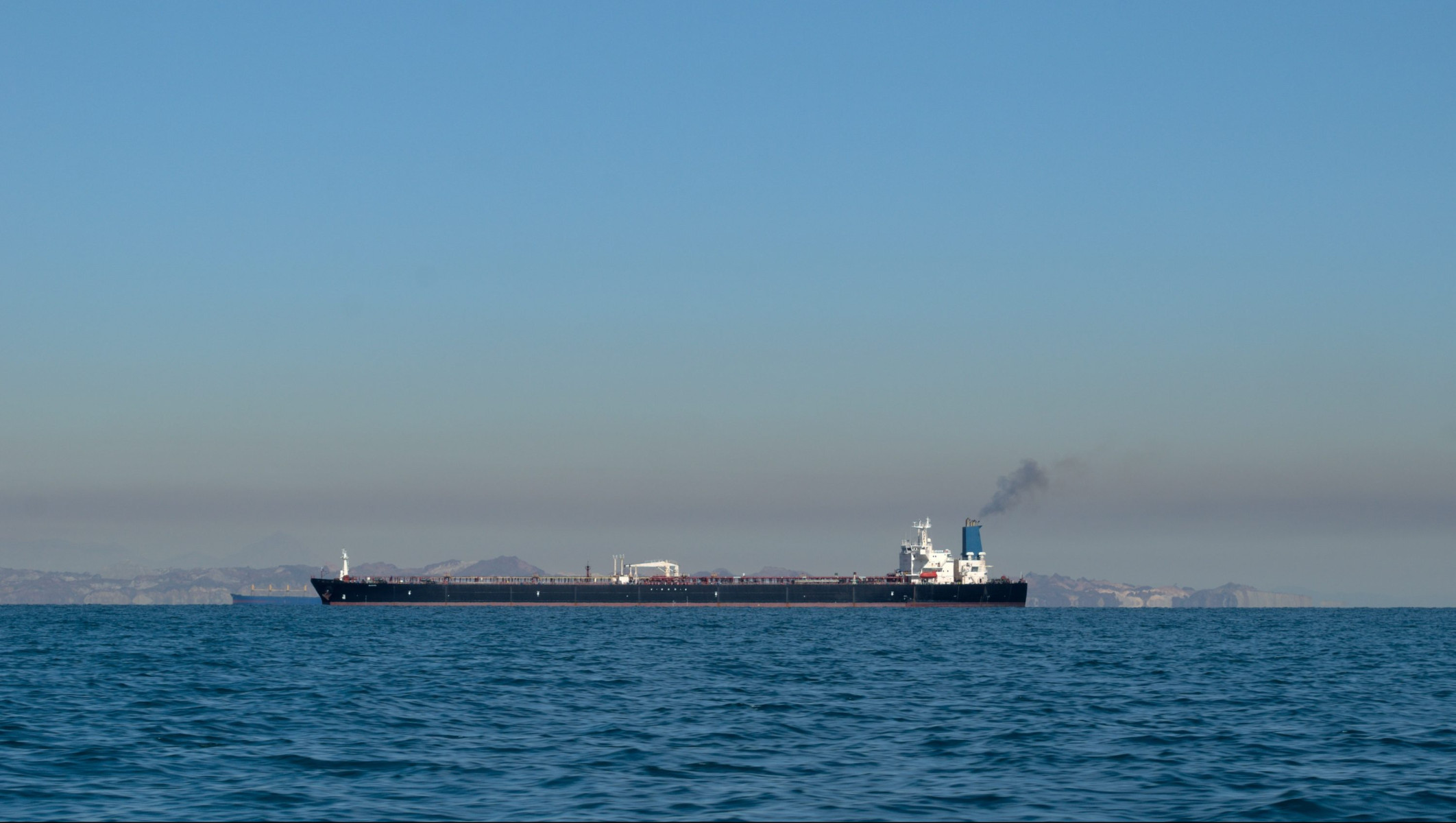
The Strait of Hormuz serves as a critical artery for roughly one-fifth of the world’s oil and liquefied natural gas. Tehran’s insistence on managing this corridor represents a fundamental shift in regional power dynamics. While the current interim agreement has paused active military engagement, it has failed to resolve the core disagreement: whether the waterway functions as an international transit route or a zone subject to Iranian security mandates and toll collection.
Washington rejects the legitimacy of any tolls, citing international maritime law. This impasse leaves shipping companies in a state of limbo, as insurers maintain high premiums despite the recent ceasefire. Should Iran successfully implement its proposed fee structure, it would impose new costs on global energy logistics, impacting import-dependent economies across Asia and Europe. The outcome of these talks will determine whether the current stability holds or if the region faces renewed volatility as the deadline for the interim deal nears.

Comments (0)
No comments yet. Be the first!