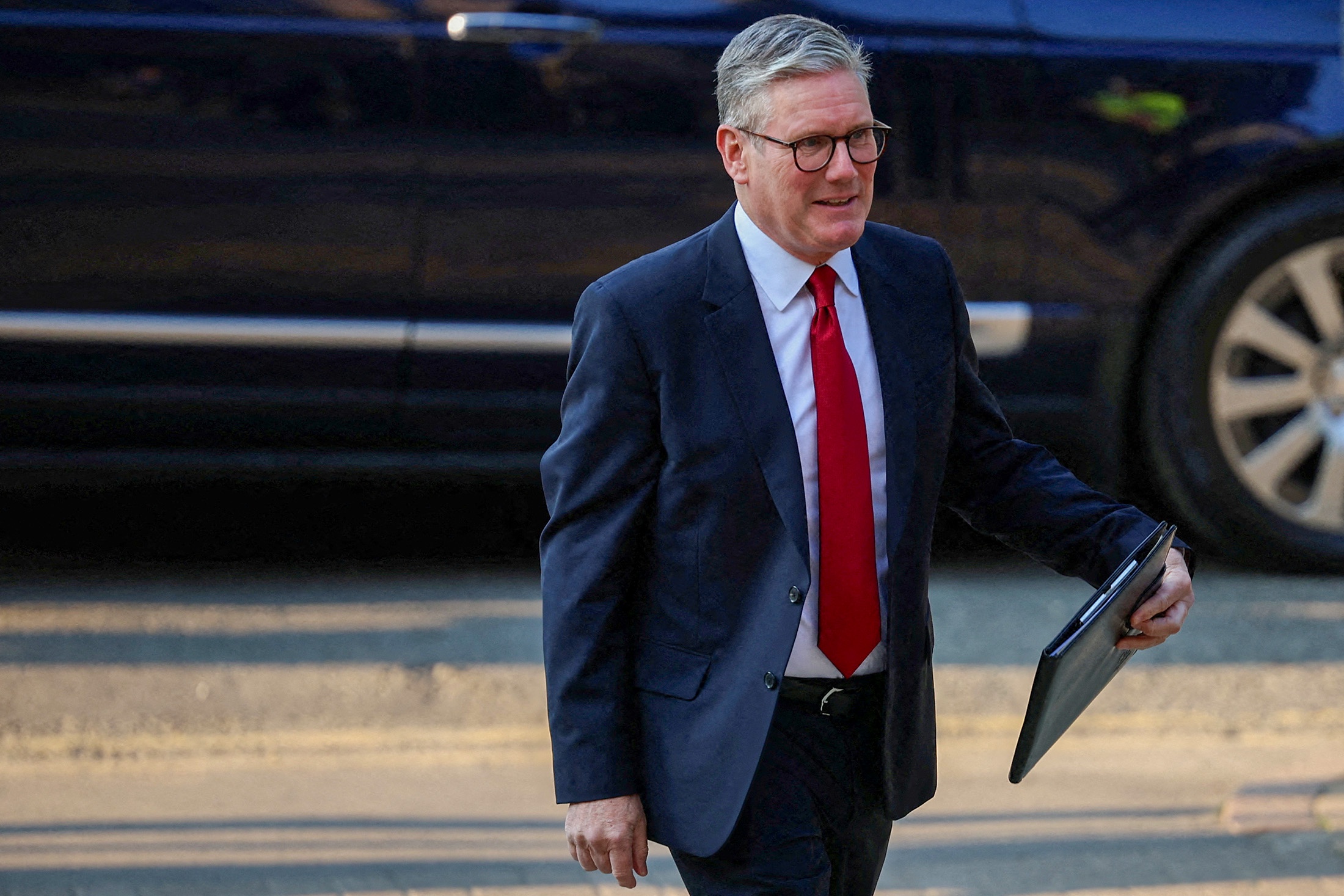
The government’s plan commits £15 billion to bolster military readiness, a direct response to the deteriorating security landscape across Europe and the ongoing conflict in Ukraine. While the strategy aims to move the UK toward a long-term NATO spending target of 3.5% of GDP by 2035, budget documents reveal that one-third of the initial investment remains unfunded. This shortfall leaves the incoming administration, potentially led by Andy Burnham, with little room to maneuver during the next budget cycle.
Controversy has already surfaced regarding the financing of these military ambitions. Officials have signaled that some resources may be siphoned from planned infrastructure projects, including critical transport and energy investments. This reallocation risks intensifying domestic friction as the government attempts to balance national security requirements against the need for economic development. Independent analysts warn that the current £4.7 billion gap is merely a precursor to deeper fiscal pressures, as the long-term cost of meeting NATO objectives will likely require even more substantial annual expenditures over the coming decade.


Comments (0)
No comments yet. Be the first!