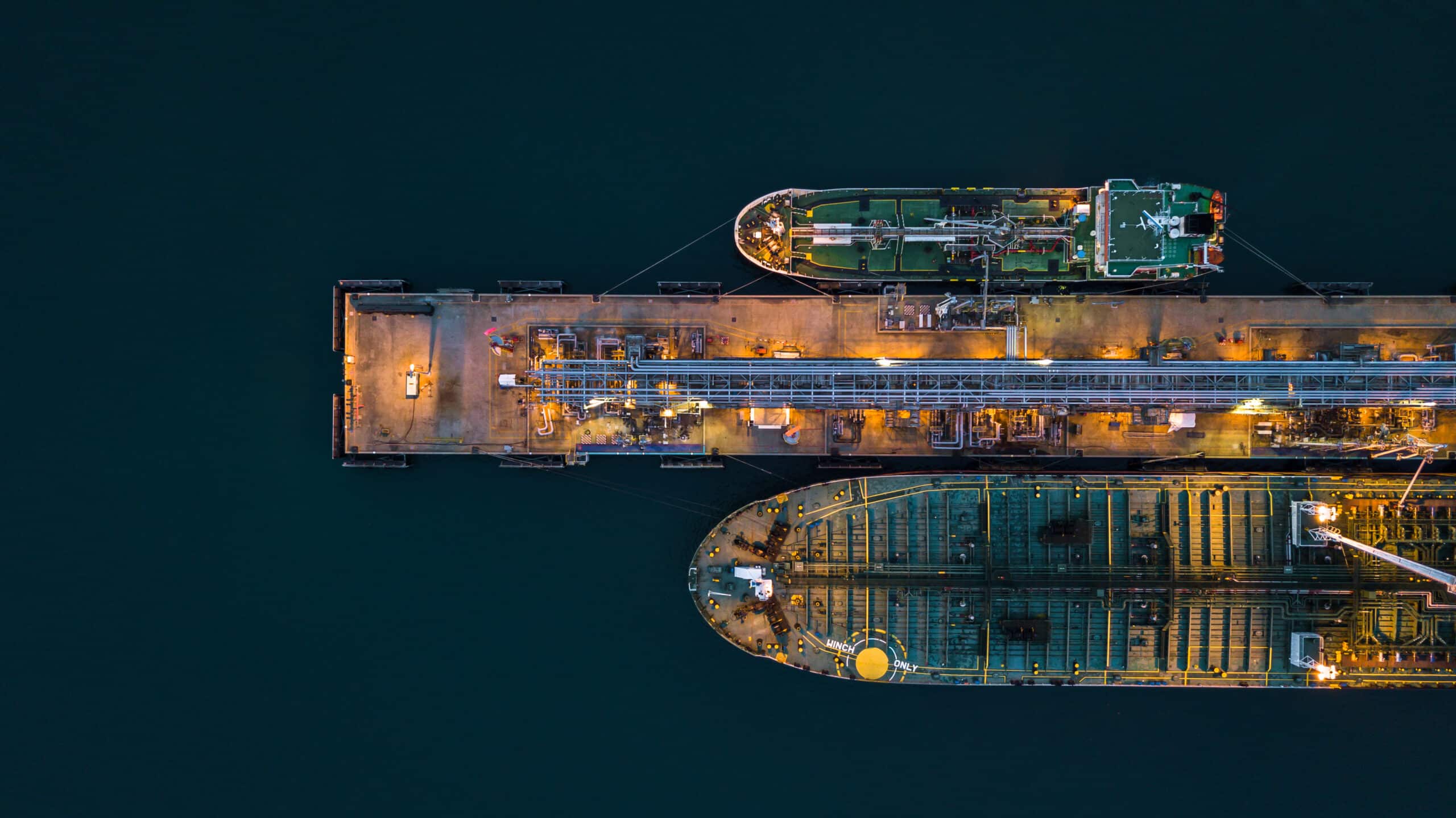
The current stability is largely a byproduct of the American electoral calendar. With midterm elections approaching, the Trump administration faces significant pressure to prevent fuel price spikes that could erode public support. This domestic necessity has fostered a temporary preference for diplomatic engagement, allowing crude oil prices to retreat from their recent peaks and stabilizing shipping costs. However, this restraint is conditional, and the political calculus in Washington may shift abruptly once the ballots are counted.
Tehran maintains its influence not through conventional military might, but by exploiting the global economy's sensitivity to risk. By controlling the maritime corridor of the Strait of Hormuz, Iran retains the ability to trigger market volatility simply through the threat of disruption. This leverage ensures that even without direct hostilities, energy importers remain exposed to the psychological impact of regional tensions. As negotiations continue, the underlying gap regarding Iran’s nuclear program remains unbridged, suggesting that the current period of relative quiet is merely a transition phase. Should diplomatic efforts fail to yield a comprehensive settlement, both nations may find the benefits of a confrontational posture outweighing the risks of further dialogue, setting the stage for a cycle of recurring crises.


Comments (0)
No comments yet. Be the first!