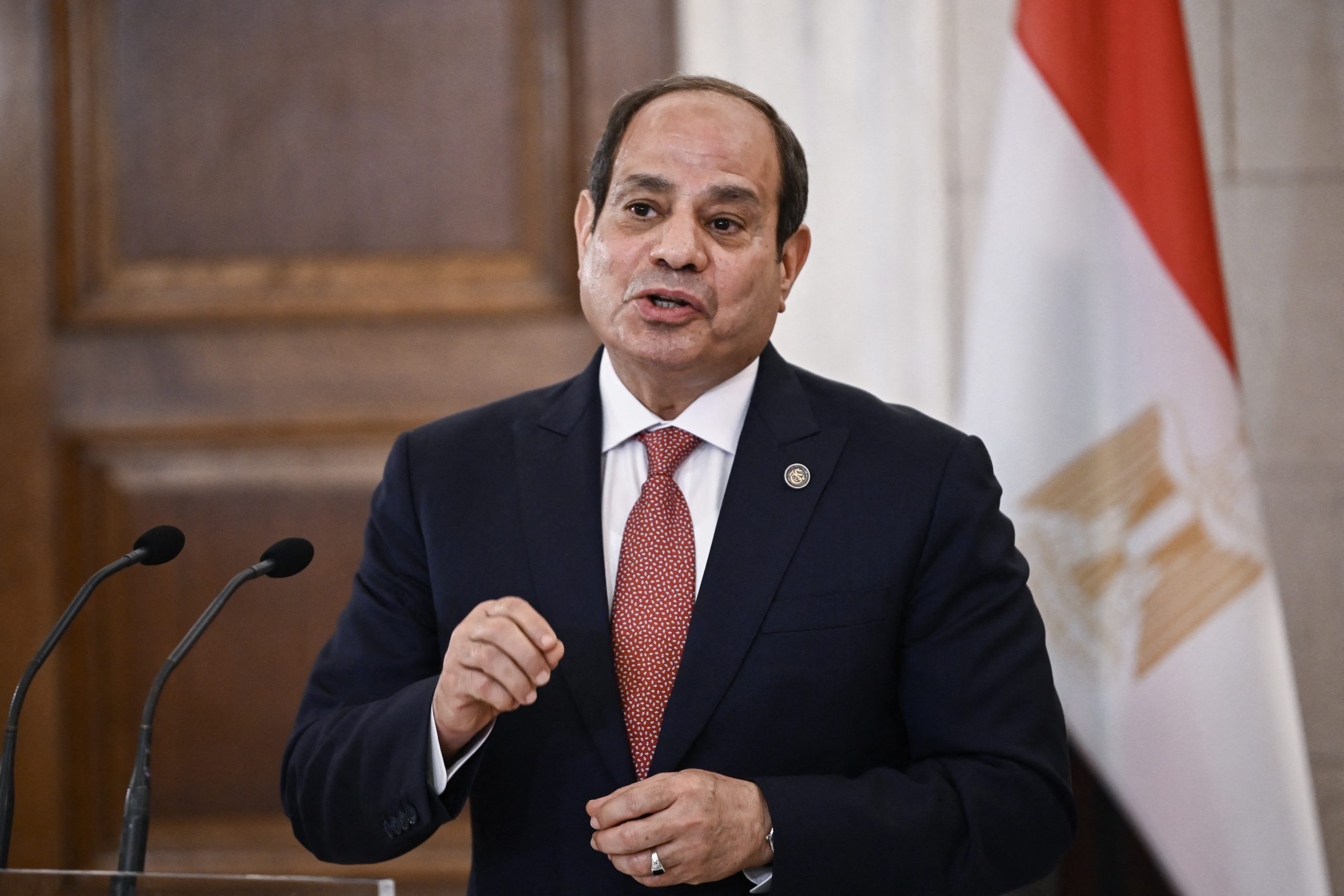
Following the June 30 revolution, outlets including Xinhua and the People’s Daily characterized the Egyptian military’s actions as a decisive response to widespread public demand. Rather than focusing on democratic processes, Chinese analysis emphasized the prevention of civil war and the preservation of state institutions. Experts frequently contrasted Morsi’s tenure—marked by accusations of social exclusion and economic mismanagement—with the inclusive leadership model of Nelson Mandela, positioning the former as a failed experiment in political Islam.
This support for the military establishment under then-General Abdel Fattah El-Sisi paved the way for a deepening strategic partnership. Beijing viewed the restoration of order as a prerequisite for its own economic interests, including the Belt and Road Initiative projects like the New Administrative Capital’s Central Business District. Research institutions, such as the China Institute of International Studies, framed this transition as a pragmatic necessity, identifying the Brotherhood as a threat to regional security. Ultimately, the Chinese perspective prioritized the stability of a key geopolitical gateway, viewing El-Sisi’s leadership as the essential anchor for Egypt’s economic and security cooperation with China.


Comments (0)
No comments yet. Be the first!