Neutrinos are notoriously difficult to pin down because they possess no electric charge and exhibit almost zero interaction with surrounding matter. While phenomena such as supernovae and stellar nuclear reactions generate these particles, they typically traverse the universe undisturbed, leaving astronomers with massive uncertainty regions that make pinpointing a specific source nearly impossible. Dr. Yuji Urata of MITOS Science Co. Ltd. notes that without a corresponding flare or brightness change, identifying a neutrino’s point of origin is effectively out of reach.
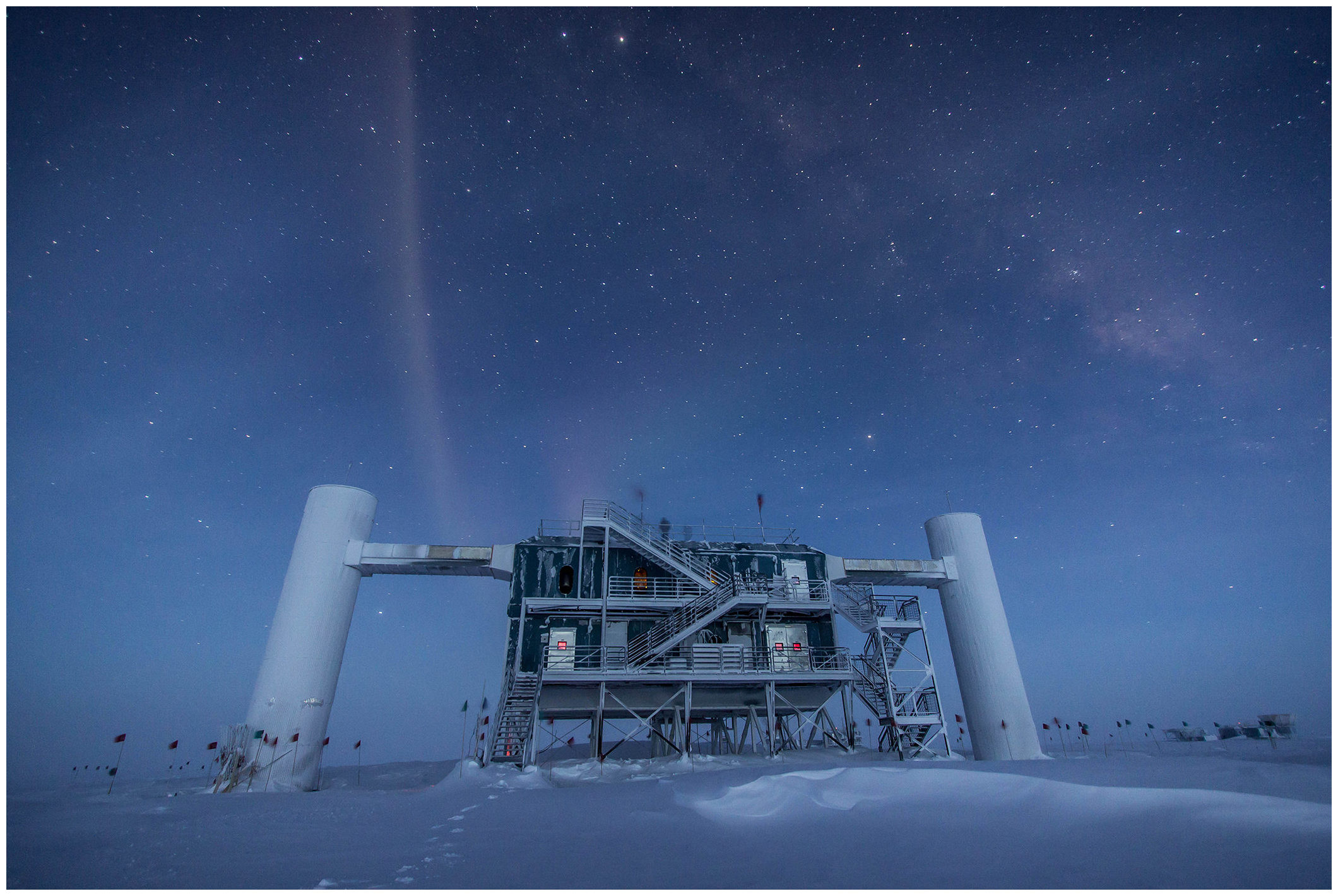
The breakthrough occurred following the detection of particle IC 210922A in 2021 by the IceCube Neutrino Observatory. After initial multi-wavelength observations failed to reveal an obvious source in the Eridanus constellation, Urata and his team leveraged the James Clerk Maxwell Telescope and the Submillimeter Array in Hawaii. A fortunate cosmic coincidence—a momentary brightening of the galaxy JCMT0402-0424 shortly after the neutrino arrived—allowed the team to link the particle to the distant star-forming region. Published in Nature Astronomy, these findings suggest that tracking these transient flares could provide a new roadmap for mapping the most energetic events in the universe.




Comments (0)
No comments yet. Be the first!