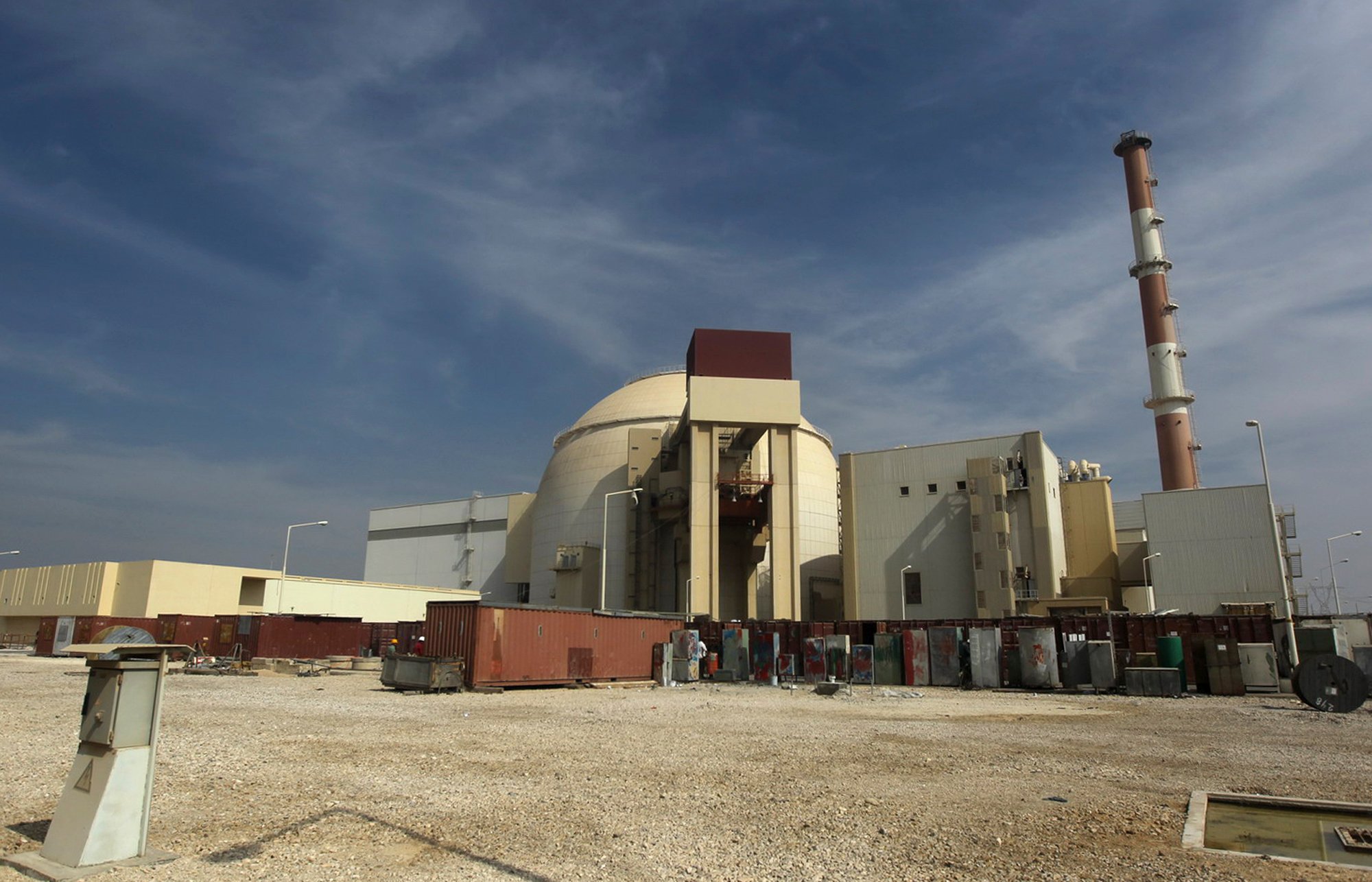
The pattern of U.S. strikes reveals a deliberate departure from traditional military objectives. While early operations focused on commanders and bases, the current campaign prioritizes infrastructure like the Aqqala railway and the Bandar Abbas oil refinery. These targets are not merely tactical; they are foundational to the Iranian state's ability to function and rebuild. By crippling transportation networks and energy production, the U.S. is imposing a development deficit that will likely persist long after the fighting stops.
This approach resists simple classification as coercive diplomacy or a bid for regime change. Coercive diplomacy requires a clear path for negotiation, yet these strikes create permanent economic scars that harden public resolve rather than compelling political concessions. Similarly, regime change would typically focus on security institutions, not the essential services required to govern a post-conflict nation. Instead, the strategy appears designed to ensure that regardless of who holds power in Tehran, Iran remains unable to project regional influence for years to come.
By forcing the country to exhaust its future financial and administrative resources on basic reconstruction, Washington aims to consolidate a new balance of power in the Persian Gulf. As historical analysis suggests, nations that suffer deep structural damage in war face decades of lost growth. By targeting the very scaffolding of the Iranian economy, the U.S. is effectively attempting to lock in a regional status quo that leaves Iran economically hollowed out and unable to re-emerge as a major actor in the near term.


Comments (0)
No comments yet. Be the first!