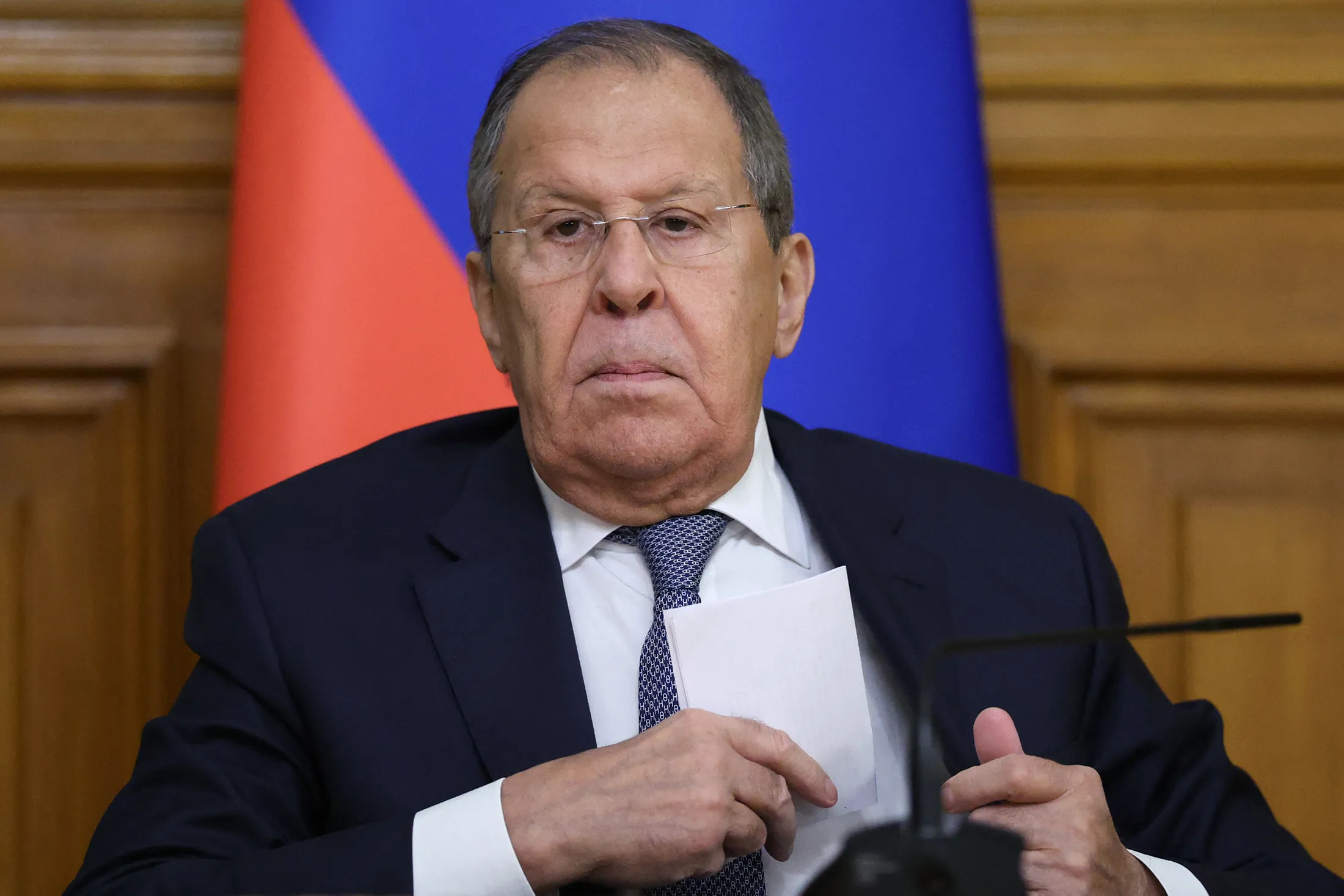
The Kremlin continues to insist on the withdrawal of Ukrainian forces from four specific regions as a prerequisite for any meaningful diplomatic progress. This hardline stance mirrors the rising anxiety in the Taiwan Strait, where Chinese maritime claims are increasingly enforced by coast guard vessels, forcing a high-stakes standoff in the region.
Simultaneously, internal governance remains a flashpoint. In Senegal, citizens have taken to the streets to challenge constitutional reforms that critics characterize as a blatant power grab. This domestic instability is mirrored in Venezuela, where engineers face the daunting task of auditing housing infrastructure following a series of devastating earthquakes that have exacerbated a long-standing national housing crisis.
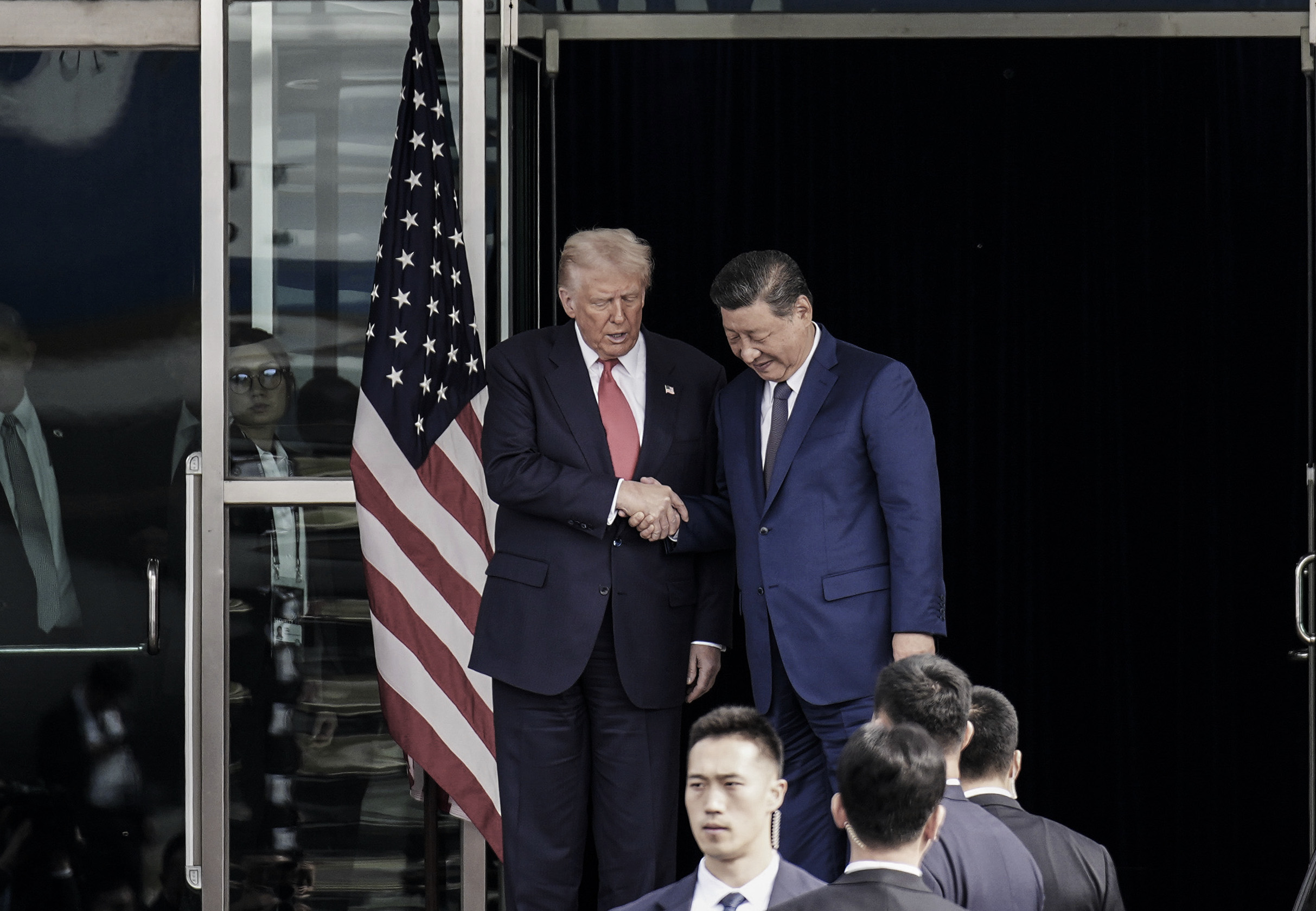
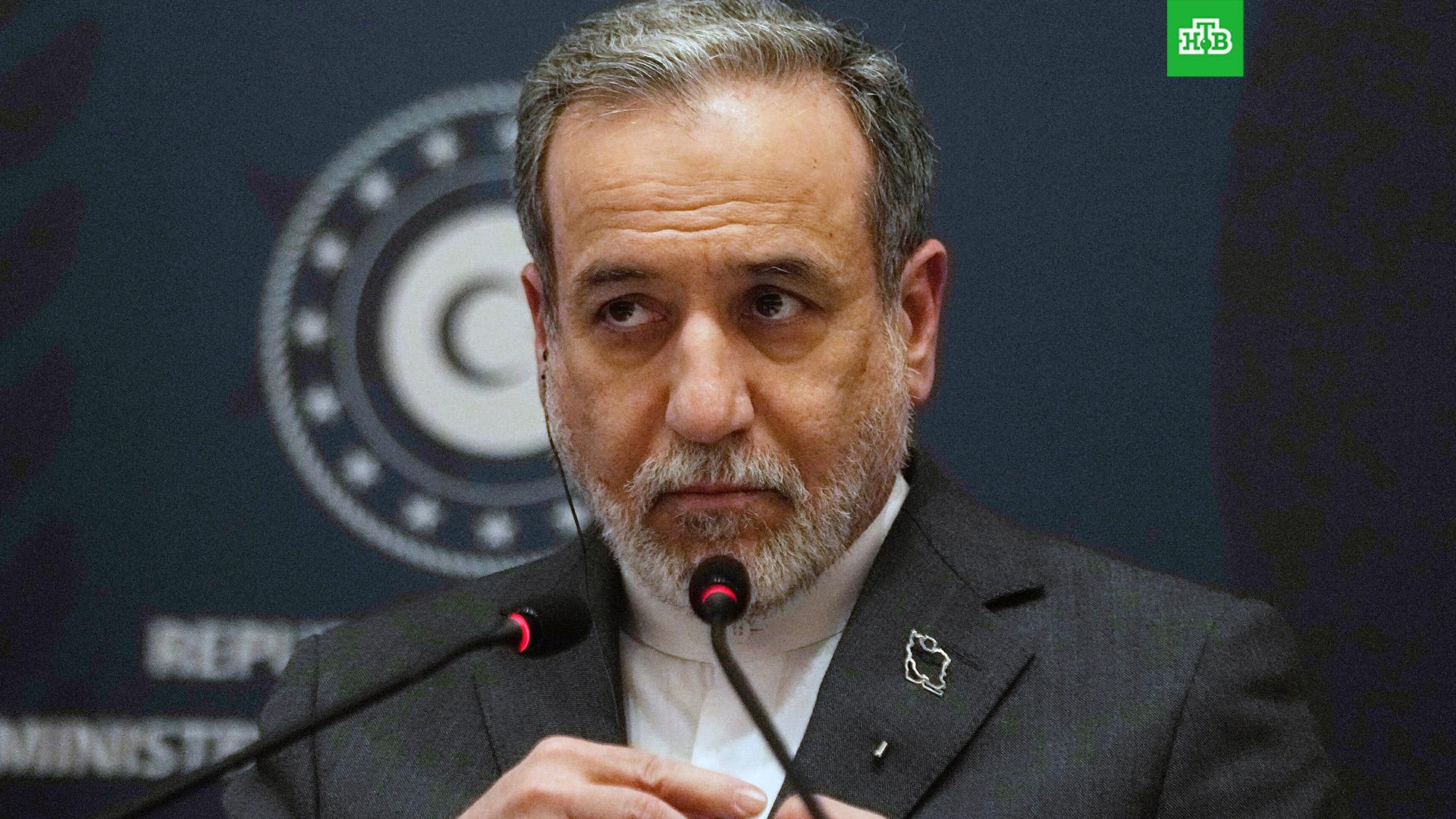
Environmental strain is further testing state resilience. Greece is currently grappling with record-breaking heatwaves that have pushed local winemakers to the brink, as water scarcity and extreme temperatures threaten harvests. Amidst these regional struggles, the international community watches the tentative resumption of talks between Iran and the United States, a rare moment of diplomatic engagement in an otherwise volatile global landscape defined by energy insecurity and shifting migration policies.
Comments (0)
No comments yet. Be the first!