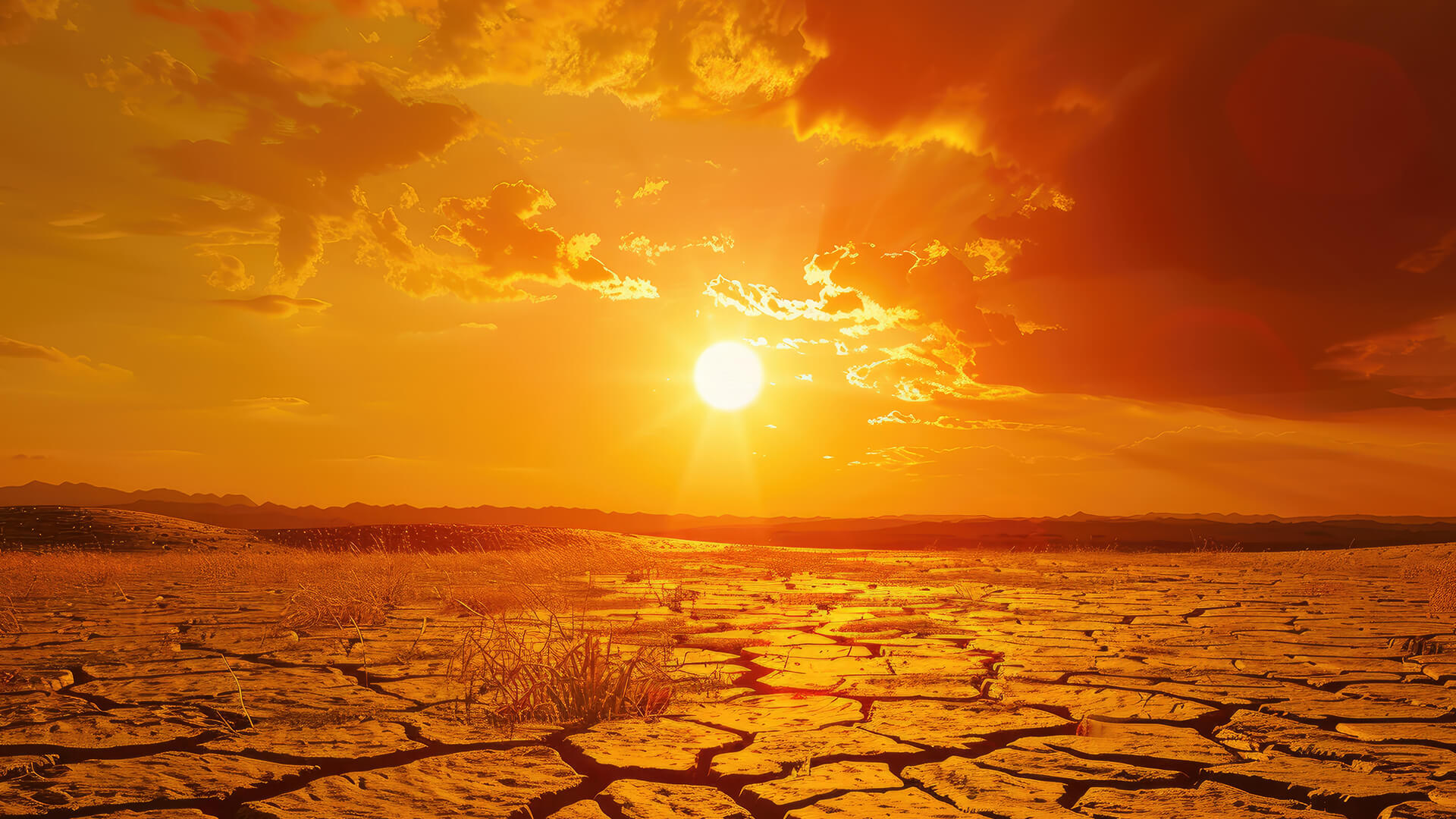
The National Weather Service reports that temperatures will climb well into the 90s and low 100s, affecting regions from the Great Lakes to the mid-Atlantic. Unlike typical summer weather, these conditions offer little nocturnal relief, with nightly lows expected to hover in the 70s or even the high 80s. Meteorologist Bryan Putnam emphasized that this level of sustained heat impacts everyone, not just vulnerable demographics, as the system blankets major urban centers including New York, Philadelphia, Chicago, and Washington D.C.
AccuWeather meteorologist Tyler Roys described the phenomenon as a heat dome, where a high-pressure system acts as a barrier, diverting storms and suppressing rainfall. This creates an environment where the human body struggles to recover during the night, increasing the likelihood of heat-related illnesses. While residents prepare for the July Fourth holiday, officials urge the public to limit outdoor exertion and maintain access to air-conditioned spaces. Simultaneously, the West faces a separate crisis; extreme heat, combined with dry and windy conditions, has intensified wildfire activity. Tragic consequences have already emerged, with three U.S. Wildland Fire Service firefighters killed near the Colorado-Utah border while battling flames fueled by the volatile weather.



Comments (0)
No comments yet. Be the first!