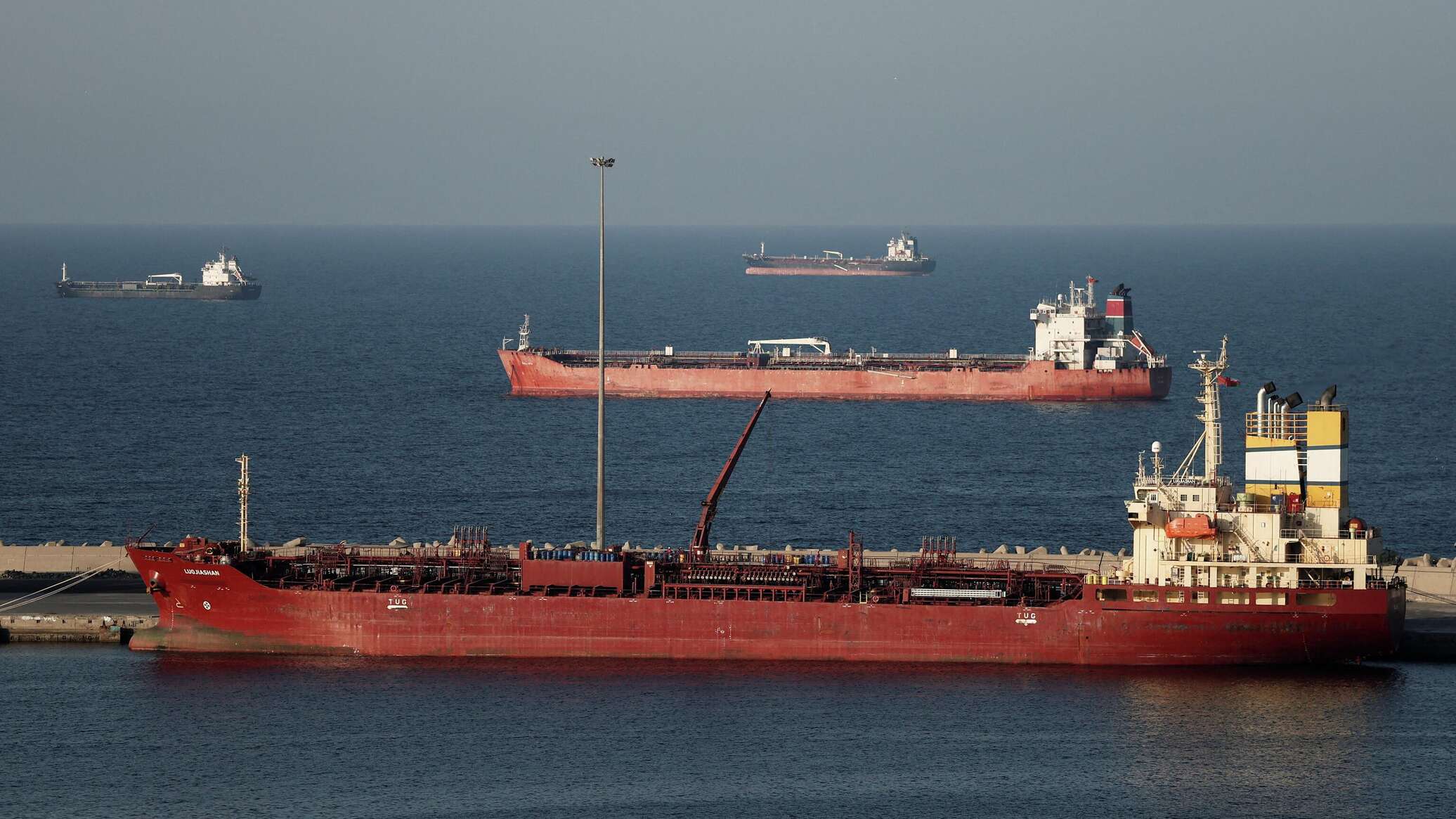
The conflict centers on conflicting interpretations of how the strait should be managed during the interim period. Article 5 requires Iran to facilitate the safe passage of vessels without charge for 60 days while removing military obstacles and mines within a 30-day window. It also mandates that Tehran coordinate the waterway’s future administration with Oman and other regional littoral states.
Washington is currently pushing for navigation routes closer to the Omani coast, seeking to return to pre-war international shipping standards. In contrast, Tehran insists that commercial traffic must utilize the northern corridor located within its territorial waters. Iranian Foreign Minister Abbas Araghchi maintains that Iran holds sole oversight of the strait throughout the clearance process, warning that any unilateral intervention by the US will only delay the reopening of the passage.
Defense analysts remain divided on the catalyst for the renewed violence. Hassan Ahmadian of the University of Tehran argues that the US is attempting to bypass the terms of the memorandum, while Vienna-based analyst Wolfgang Pusztai contends that Iran is using targeted attacks on shipping to assert control. This disagreement over maritime authority has effectively stalled the transition to secure, open transit, leaving the region’s primary oil artery in a state of volatile limbo.



Comments (0)
No comments yet. Be the first!