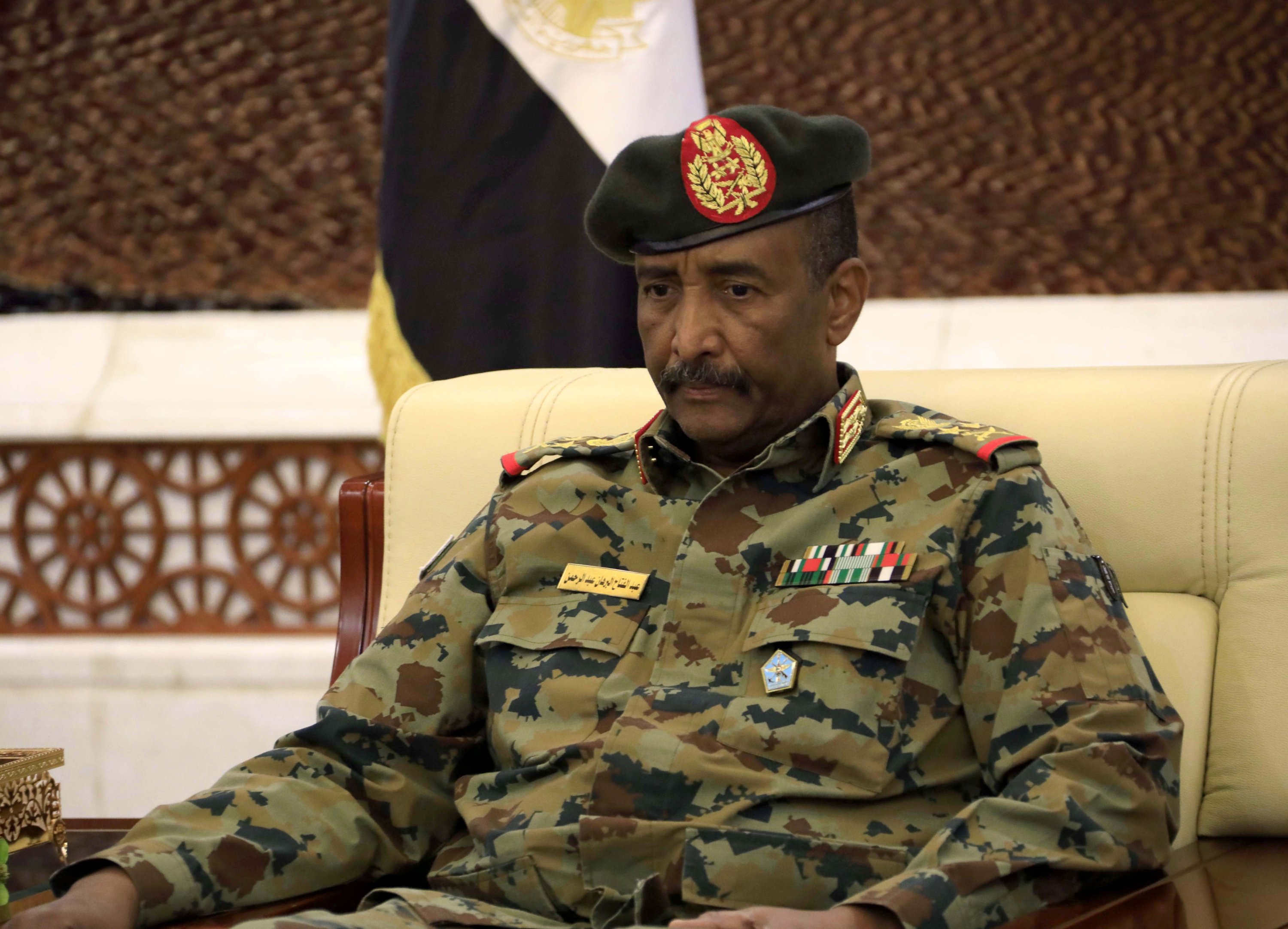
Behind the official rhetoric of neutrality lies a commitment rooted in regime survival and regional security. Cairo views the stability of its southern neighbor through the lens of its own national security, fearing the spillover of arms, refugees, and jihadist activity. Beyond these immediate concerns, the Nile remains a central pillar of the strategy. Since 2019, Egypt has prioritized deep military coordination with Khartoum to protect its water interests against Ethiopian influence, viewing General Burhan—a career officer trained in Egypt—as a reliable, familiar ally in a volatile neighborhood.
This partnership, however, pushes Cairo into a precarious position. The line between diplomatic mediation and active military support has blurred, with reports of intelligence sharing, drone assistance, and direct strikes fueling allegations that Egypt is far from a neutral observer. By betting exclusively on the SAF, Egypt risks backing a shrinking power center. As the war leaves millions displaced and pushes the country toward famine, the military’s hold on the nation continues to fracture. By dismissing civilian coalitions as threats to state unity, Cairo is narrowing its own diplomatic options, potentially finding itself committed to a failing regime that lacks the popular legitimacy required to secure a sustainable future for Sudan.



Comments (0)
No comments yet. Be the first!