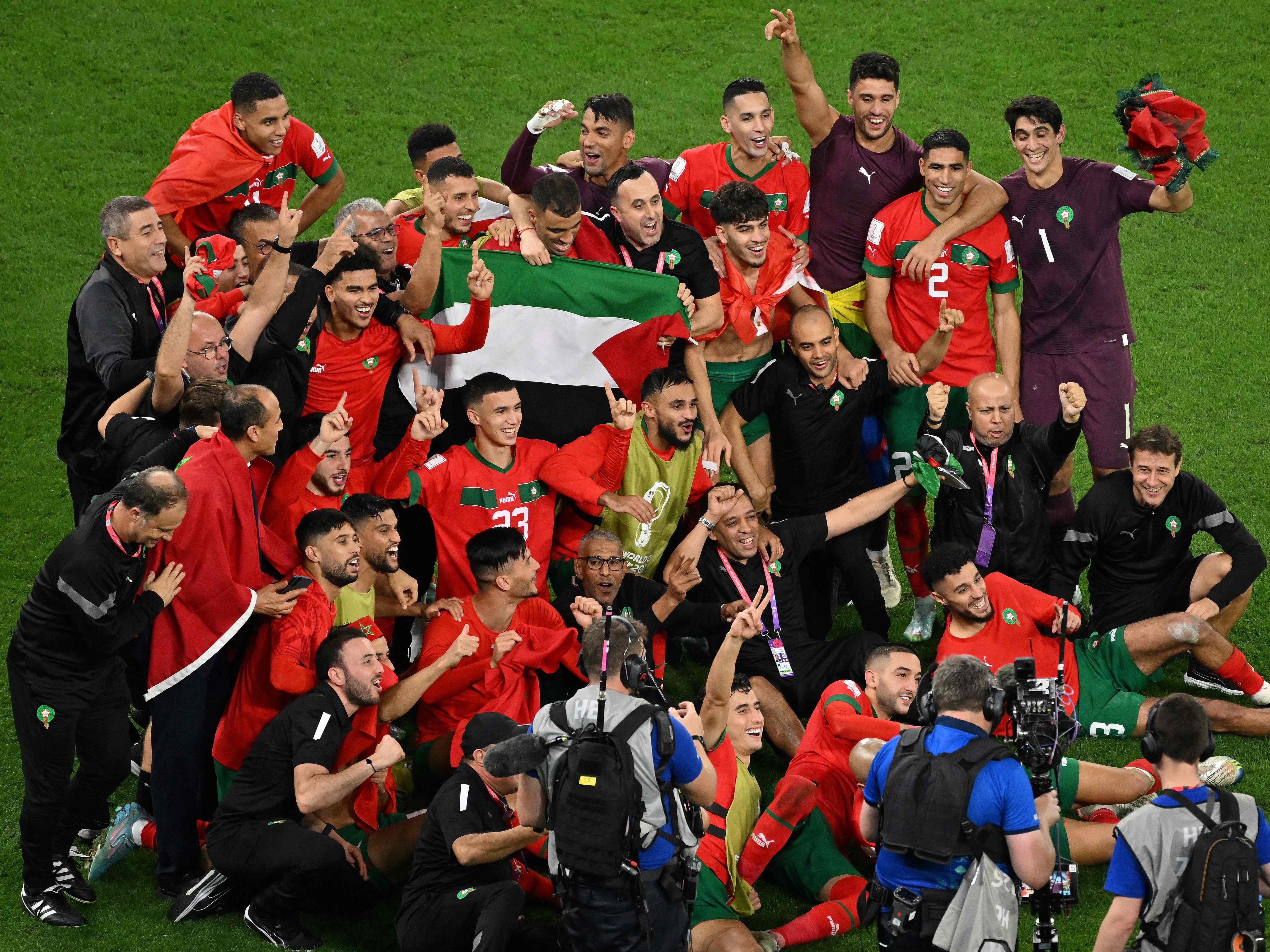
The tournament acted as a global stage, exposing an audience of five billion to a nation that is rapidly integrating into international networks. While sporting victories against established powers like Belgium, Spain, and Portugal captured headlines, the underlying shift lies in the state’s long-term strategy. Institutions like the Mohammed VI Football Academy and the triumphant youth squads demonstrate a commitment to talent development that ensures competitive parity is no longer an exception, but an expectation. This structural foundation mirrors broader national progress, including significant infrastructure investments and a proactive diplomatic stance.
Morocco now occupies a unique position as a 'connective power.' Unlike states that rely solely on military or economic might, the Kingdom utilizes its geography and cultural history to serve as a bridge between the Mediterranean, Africa, and the Atlantic. The upcoming 2030 FIFA World Cup, co-hosted with Spain and Portugal, serves as the next benchmark for this trajectory. By blending institutional efficiency with a distinct regional identity, Morocco is transforming its global image from a regional partner into a strategic interface. Football remains the most visible instrument of this evolution, proving that in the current international order, the ability to unite diverse audiences is as vital as traditional geopolitical reach.


Comments (0)
No comments yet. Be the first!