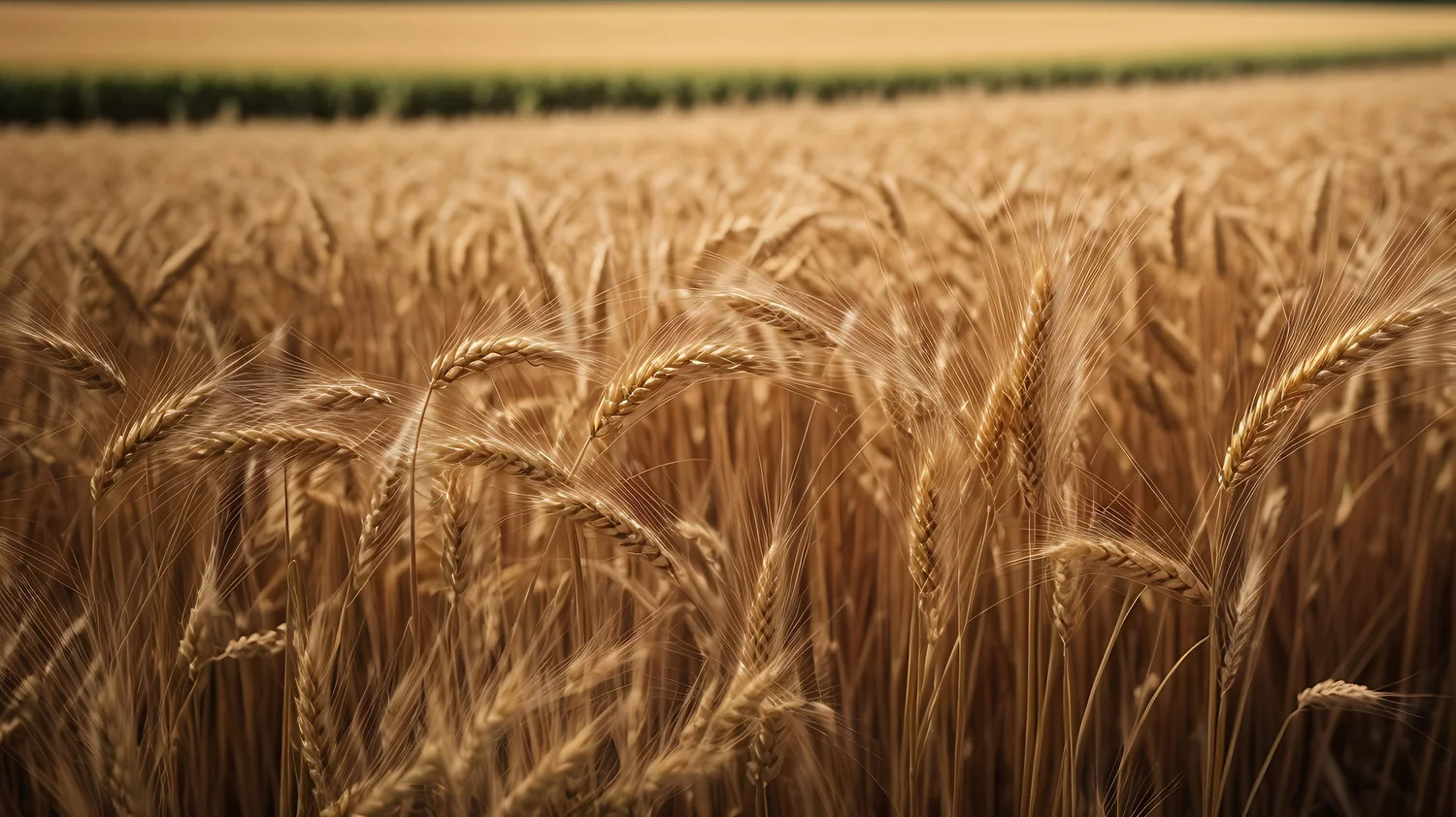
Global agricultural production has consistently outpaced population growth since the 1980s, bolstered by high-yield crop varieties and precision irrigation. Unlike the severe El Niño events of 1997-98 and 2015-16, the current market benefits from a more diverse group of major exporters. Brazil has transformed into the world’s leading soybean supplier, while Russia has scaled its wheat exports to 48 million tons annually, providing critical alternatives should regional droughts occur.
Technological integration further changes the equation. Farmers now utilize AI-powered platforms, satellite monitoring, and drought-tolerant seeds to mitigate moisture deficits in real time. China’s substantial wheat stocks and India’s significant rice reserves offer additional layers of security against localized production losses. According to FAO Chief Economist Maximo Torero, improved market transparency and forecasting allow governments to respond to climate volatility with greater speed than in previous decades.
However, these safeguards face pressure from compounding geopolitical instability. Disruptions to fuel and fertiliser supplies caused by conflicts in the Middle East and the Black Sea region threaten to undermine agricultural yields. As meteorological models suggest the weather pattern will intensify through the fourth quarter, the stability of the global food supply depends on whether existing reserves can offset the dual threat of climatic disruption and restricted access to essential farming inputs.




Comments (0)
No comments yet. Be the first!