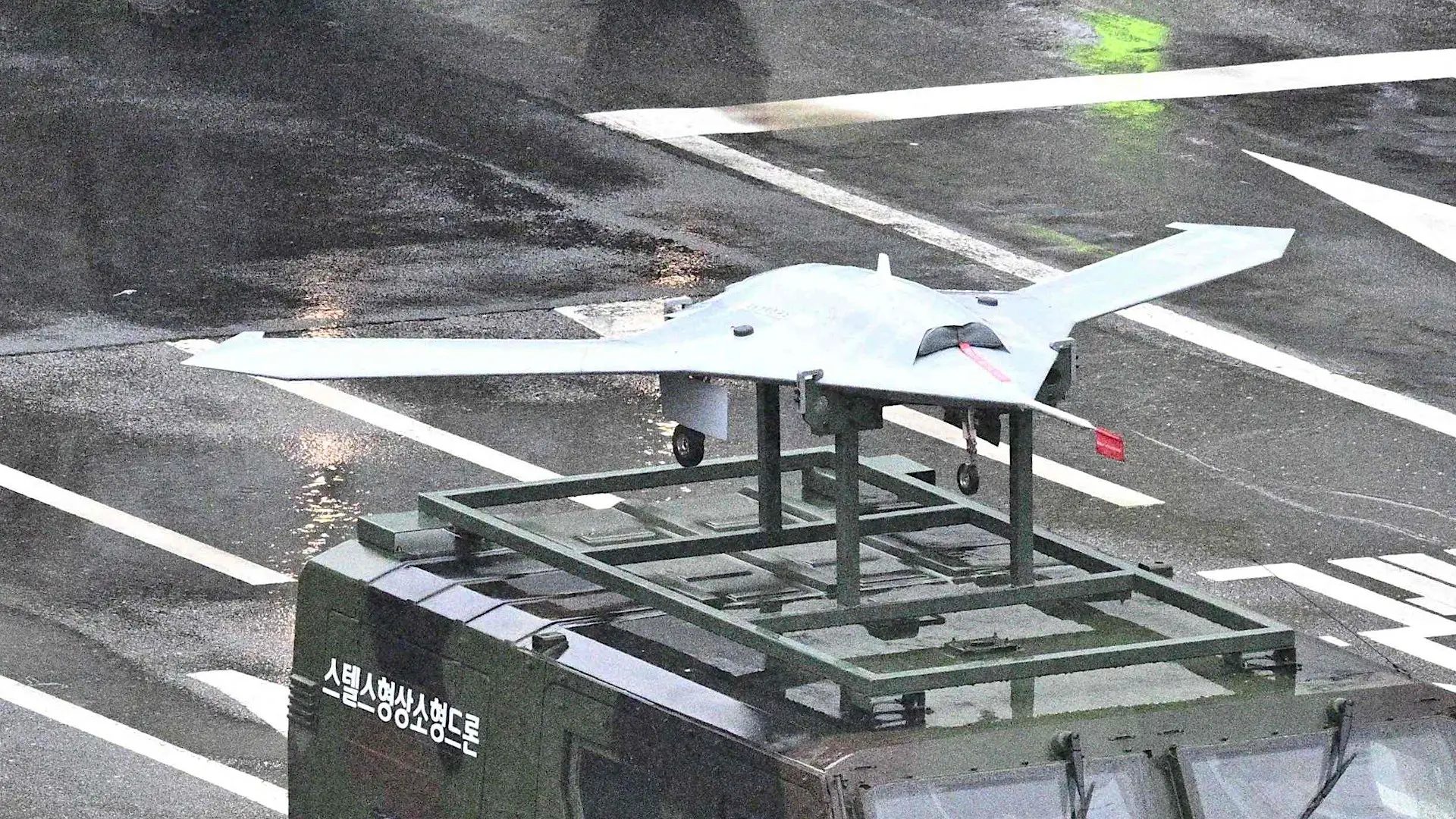
The Defence Ministry intends to begin the first phase of this rollout in 2026, introducing 11,000 drones across all branches of the armed forces. Defence Minister Ahn Gyu-back emphasized that unmanned systems must become as ubiquitous as a soldier’s primary firearm, facilitating better reconnaissance and precision strikes. To ensure supply chain integrity, the government has mandated that all hardware components must be domestically sourced, explicitly excluding Chinese parts to mitigate national security risks.
This shift follows the dissolution of a centralized drone command established under the previous administration, moving instead toward a model where drone policy is integrated into the operational structure of individual military services. Beyond simple surveillance, the strategy includes the deployment of laser-based counter-drone systems and AI-powered swarms. This transition reflects a hard-learned lesson from modern conflicts, where low-cost, automated technology has proven capable of overwhelming traditional defensive infrastructure. As the nation faces a demographic decline, these investments in autonomy and distributed command are intended to maintain military readiness without the need for a larger human workforce.



Comments (0)
No comments yet. Be the first!